

What is hirsutism, what is hypertrichosis?
Hirsutism refers to male-pattern hair growth in women — i.e. beard, chest hair, back, stomach. The cause is usually an imbalance in androgen levels (male hormones), often due to polycystic ovary syndrome (PCOS), menopause or genetic factors.
Hypertrichosis, on the other hand, refers to excessive hair growth regardless of gender — all over the body or in specific areas, often triggered by genetics or medication (e.g. minoxidil, cyclosporine, cortisone).
First to the doctor — then to the studio
Before you book a laser session, getting a medical check to find the cause is essential. Only your doctor (gynaecologist, endocrinologist, dermatologist, GP) can decide which tests make sense for you and whether medical treatment is needed. We deliberately don't provide our own diagnostic recommendations — that belongs in the hands of a doctor.
What lasers can achieve (cosmetically)
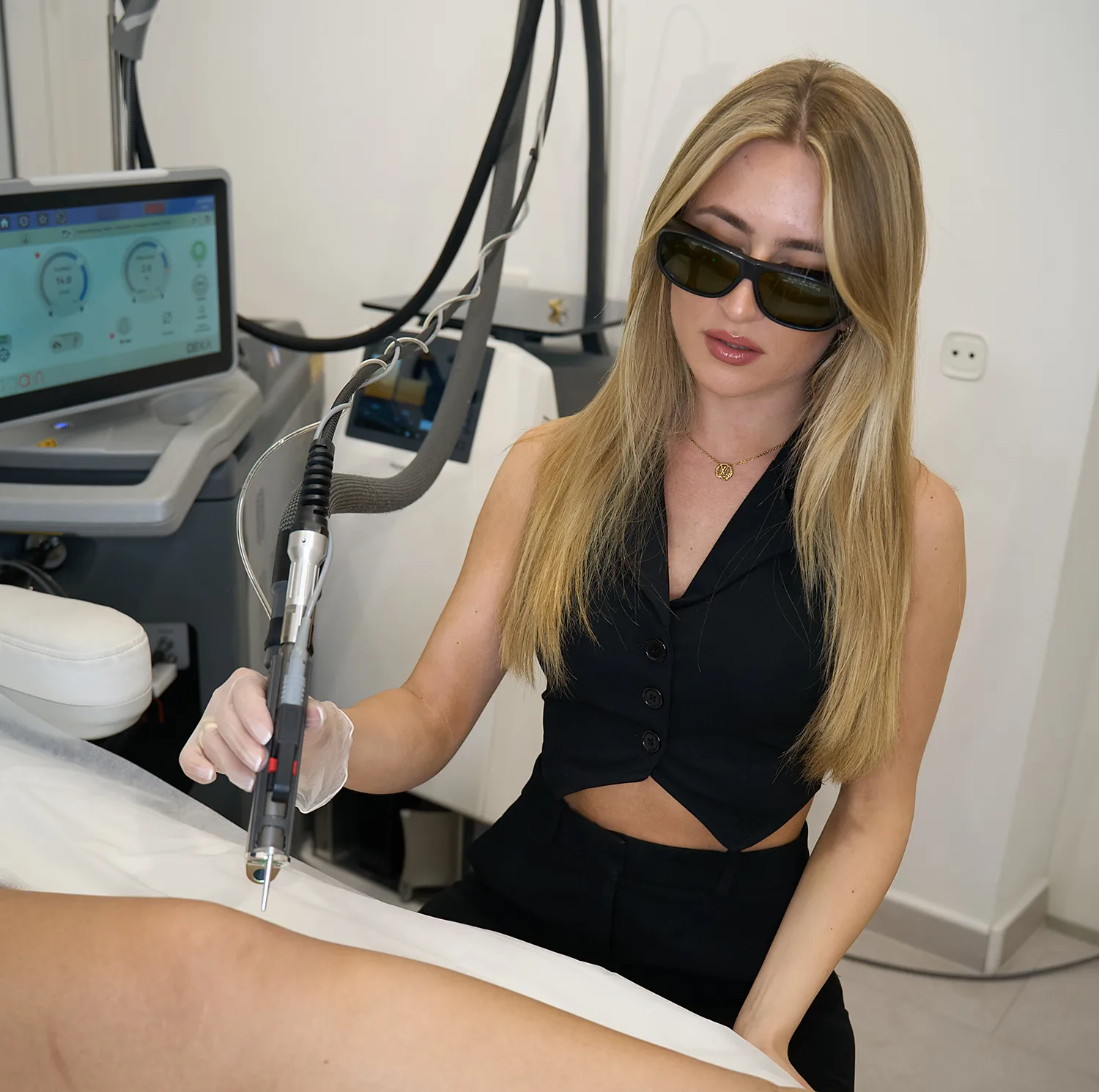
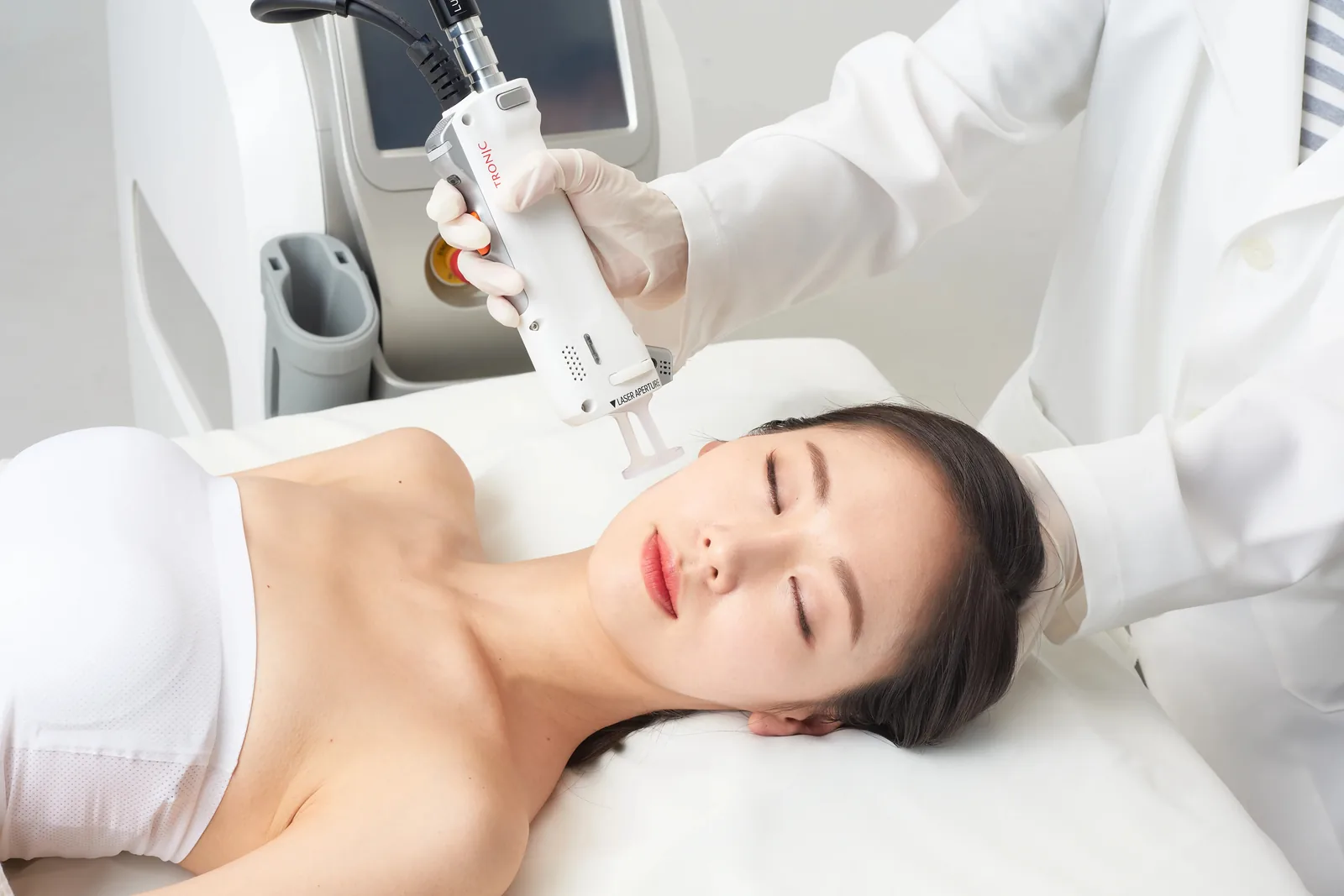
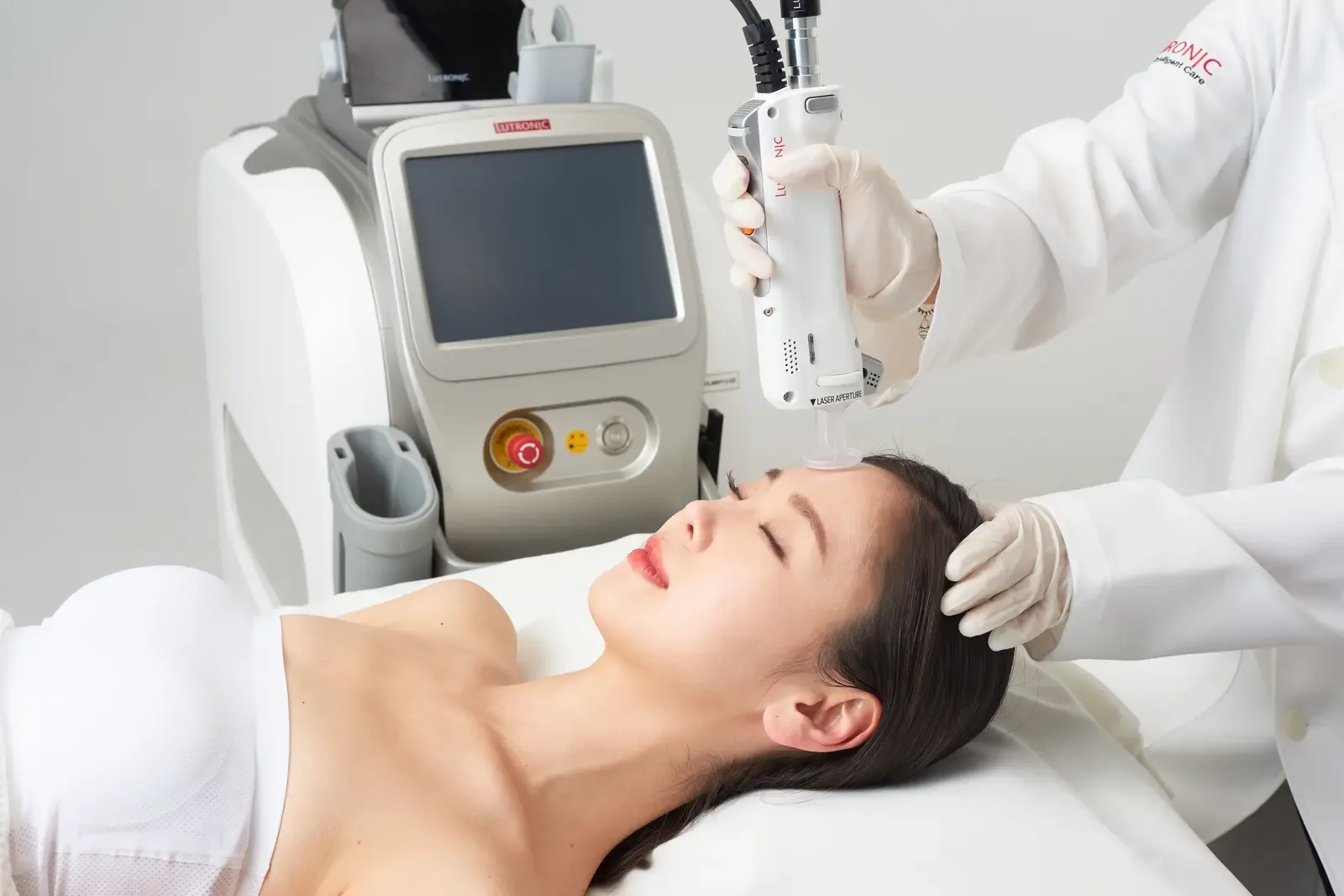
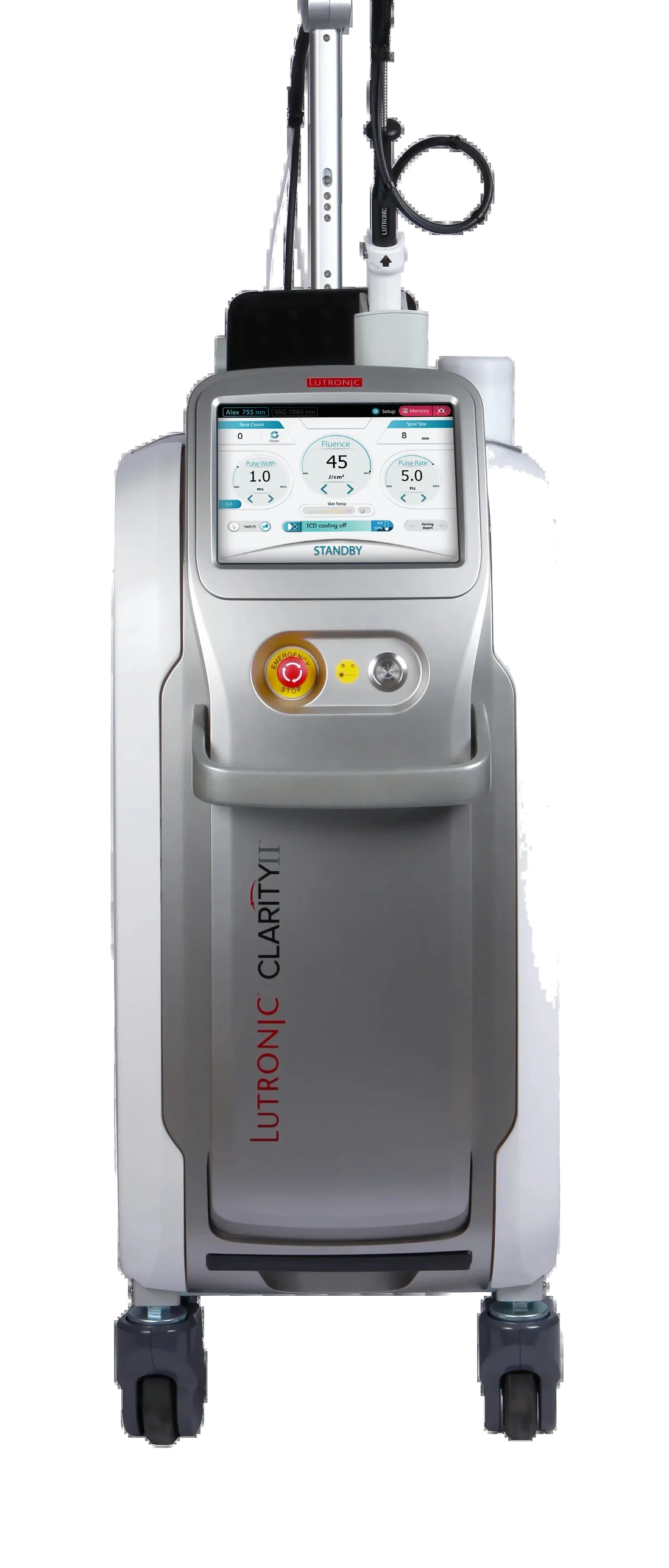
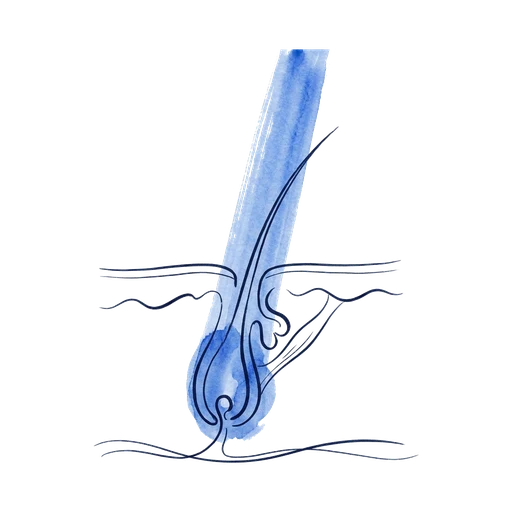
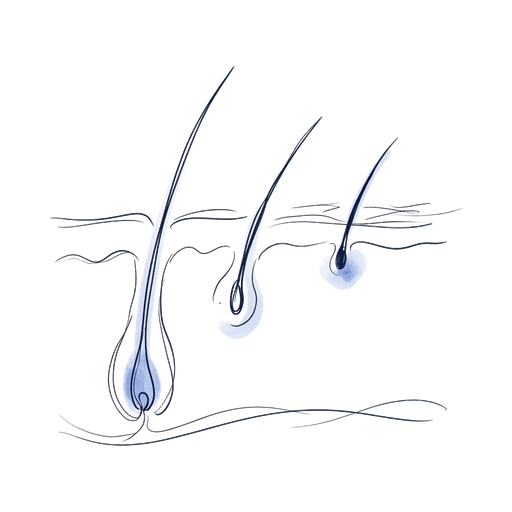
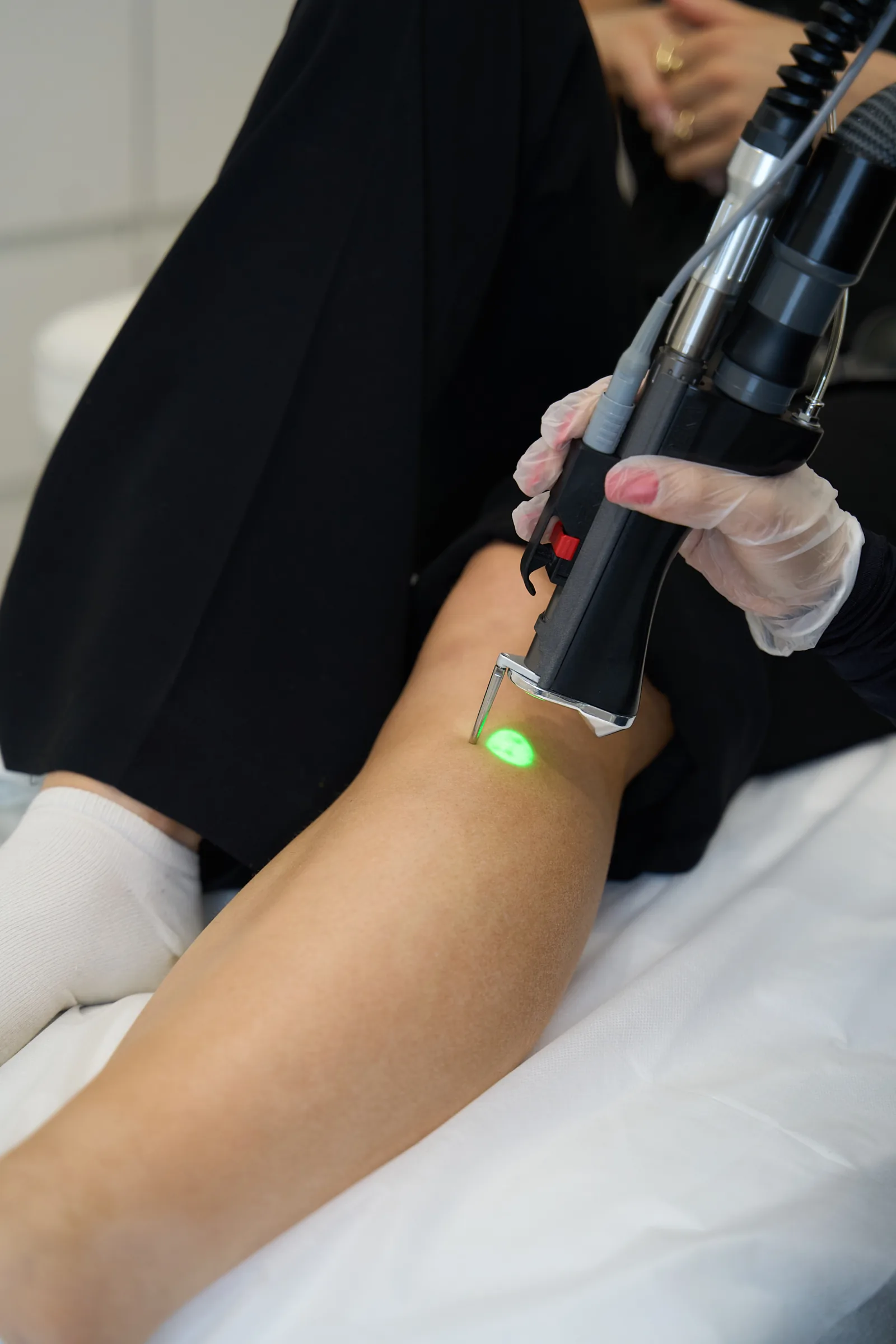
Shaving, waxing, and epilating only remove the visible hair. The hair root remains — and continues to produce new hair under the influence of androgens. An Alexandrit laser session thermally destroys the hair root; treated hairs generally don't grow back, or only grow back much finer.1 However, with hormonally driven hair growth, new follicles can form, which is why top-up sessions over time can be a good idea.
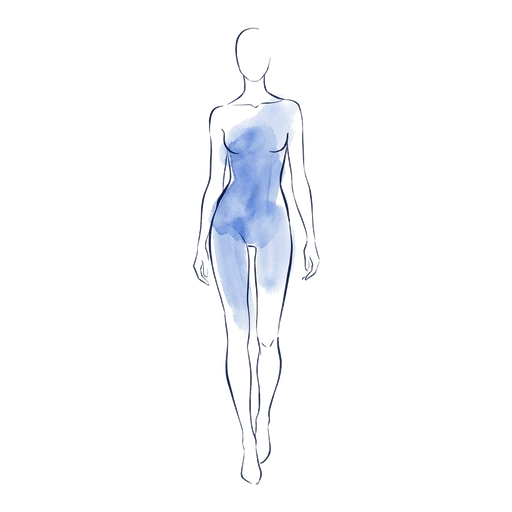
Typical hirsutism areas
How many sessions does a patient with hirsutism need?
| Hair growth type | Main treatment | Touch-up | Total duration |
|---|---|---|---|
| Normal | 8–12 sessions | 1× per year | ~1 year |
| Mild hirsutism | 8–10 sessions | 1–2× / year | 1,5 years |
| Severe hirsutism (PCOS) | 10–14 sessions | 2–4× / year | 2+ years |
| Hypertrichosis | 10–12 sessions | depending on the cause | from 1.5 years |
Cost-benefit: is it worth it?
Yes — very. Calculation example for a woman with mild hirsutism:
Everyday life & wellbeing
For many clients with heavy hair growth, a reduction primarily means less effort in everyday life and a more comfortable skin feeling. The psychological side — the urge to pluck, morning routines, avoidance behaviour — is often underestimated, but can be noticeably eased by reducing visible hair growth.
Our offer
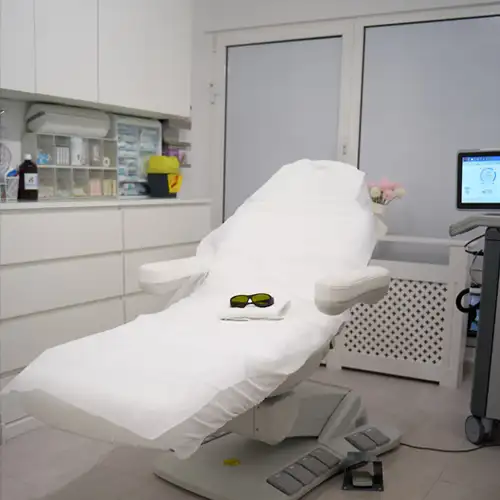
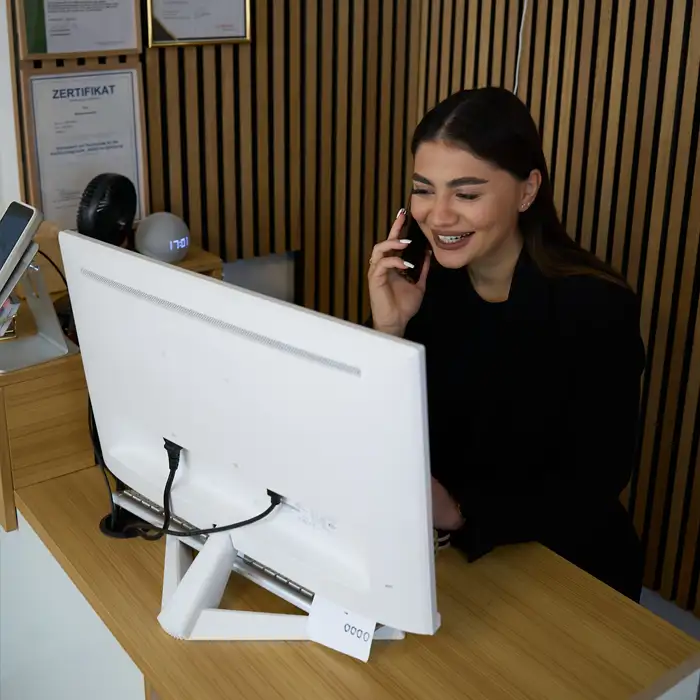
At Laserazor, you're treated by NiSV-certified experts who regularly help clients with heavier, hormonally driven hair growth. During your free trial session, we take the time to do a thorough skin analysis and chat with you about what results are realistic. We can't and aren't allowed to offer medical advice or diagnoses — your doctor is the best person to speak to for that.
Discreet consultation in a relaxed atmosphere
Free trial session with a detailed consultation — we specialise in hirsutism and take the time to answer your questions.