





What hormonal changes have to do with hair growth
Hormones control many processes in our bodies — including hair growth. The three most important hormones for body hair:
- Testosterone and its by-products (e.g. DHT) promote thicker, darker hair — especially on the face, chest and back.
- Oestrogen has the opposite effect and can slow down hair growth.
- DHEA (dehydroepiandrosterone) is a precursor to both hormone groups.
If testosterone levels rise or oestrogen drops, more and thicker hair often grows in places that would otherwise be less hairy. This is a normal process during puberty or the menopause — but it can also be triggered by medical conditions like polycystic ovary syndrome (PCOS).
Typical hormonal phases and their effects
Puberty
During puberty, testosterone levels rise significantly — terminal hair develops on the legs, underarms and intimate area. The right time for your first laser treatment is when puberty is largely complete. At Laserazor, we recommend: from 16–18 years, following a personal consultation.
Menstrual cycle
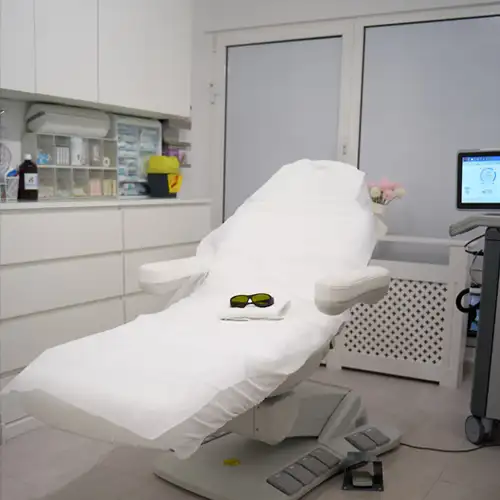
Oestrogen and progesterone fluctuate during your cycle. Around your period, your skin can be more sensitive to the treatment. The ideal time: the week after your period. At Laserazor, you can schedule appointments flexibly — and our external Cryo cooling provides extra comfort.
Hormonal contraceptives (the pill)
The contraceptive pill often lowers testosterone levels and can slow down hair growth — which is positive for laser hair removal. Important: if you stop taking the pill during or after your treatment, new hair might grow — your body returns to its natural hormone levels. The follicles that have already been treated remain permanently inactive1.
Menopause
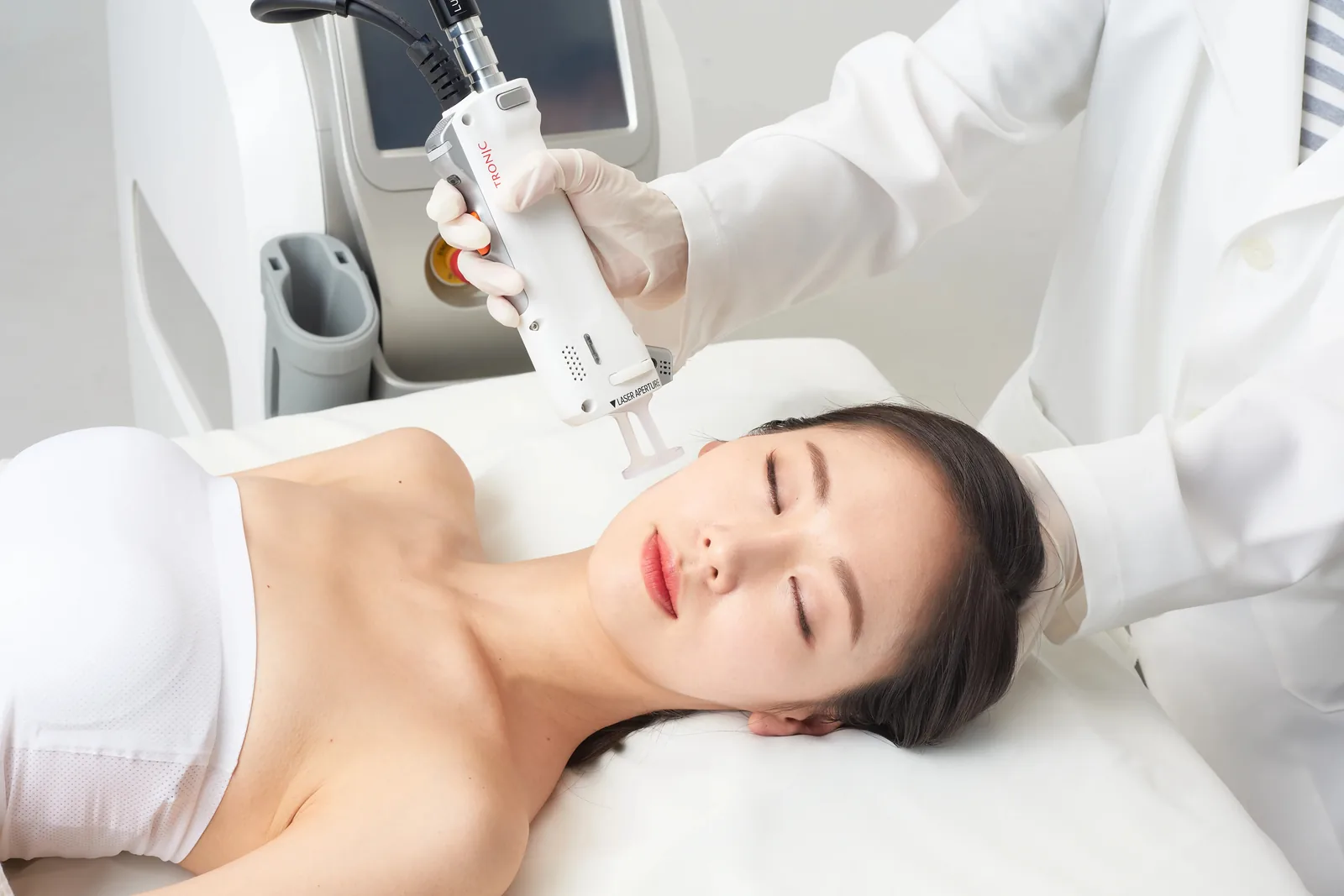
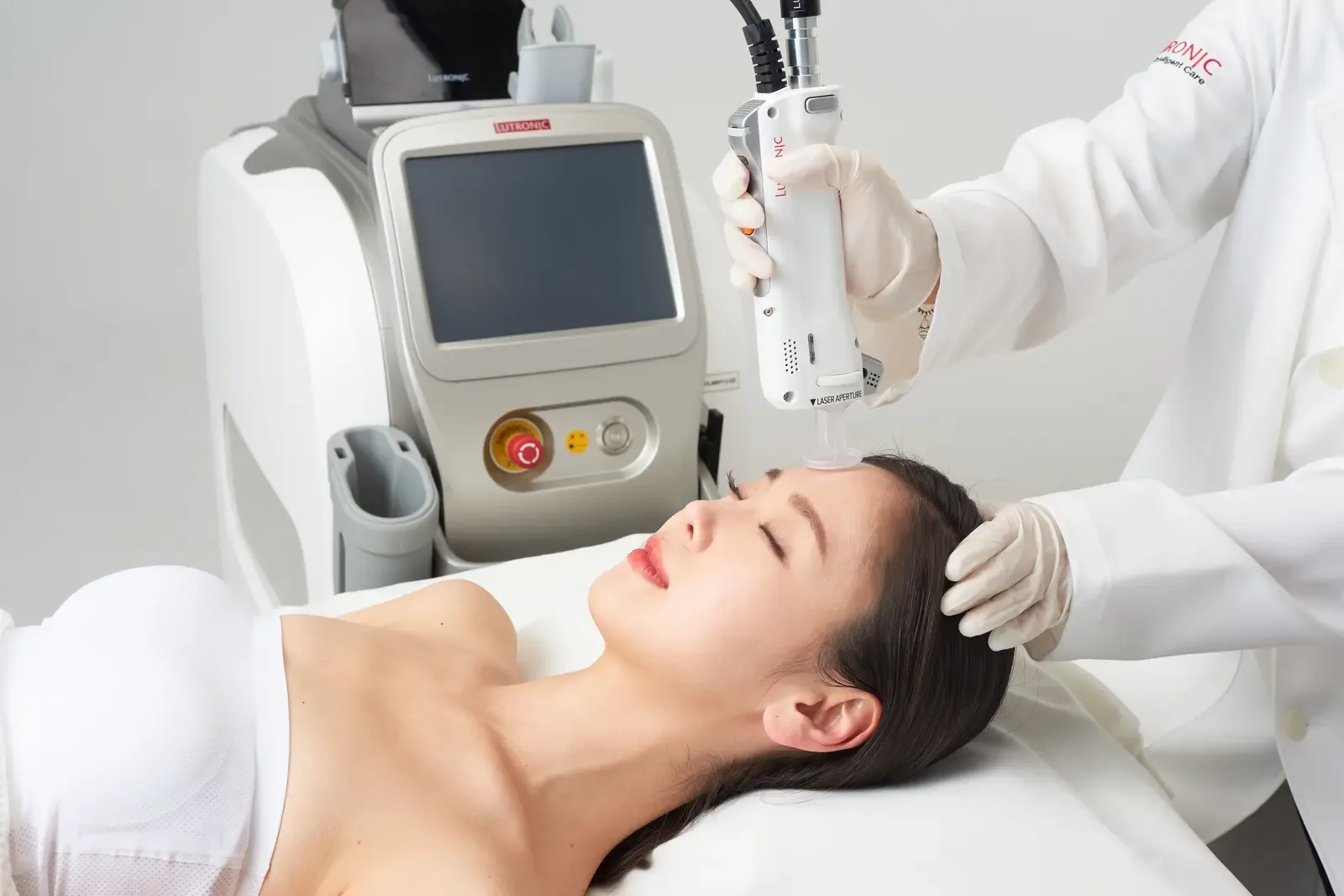
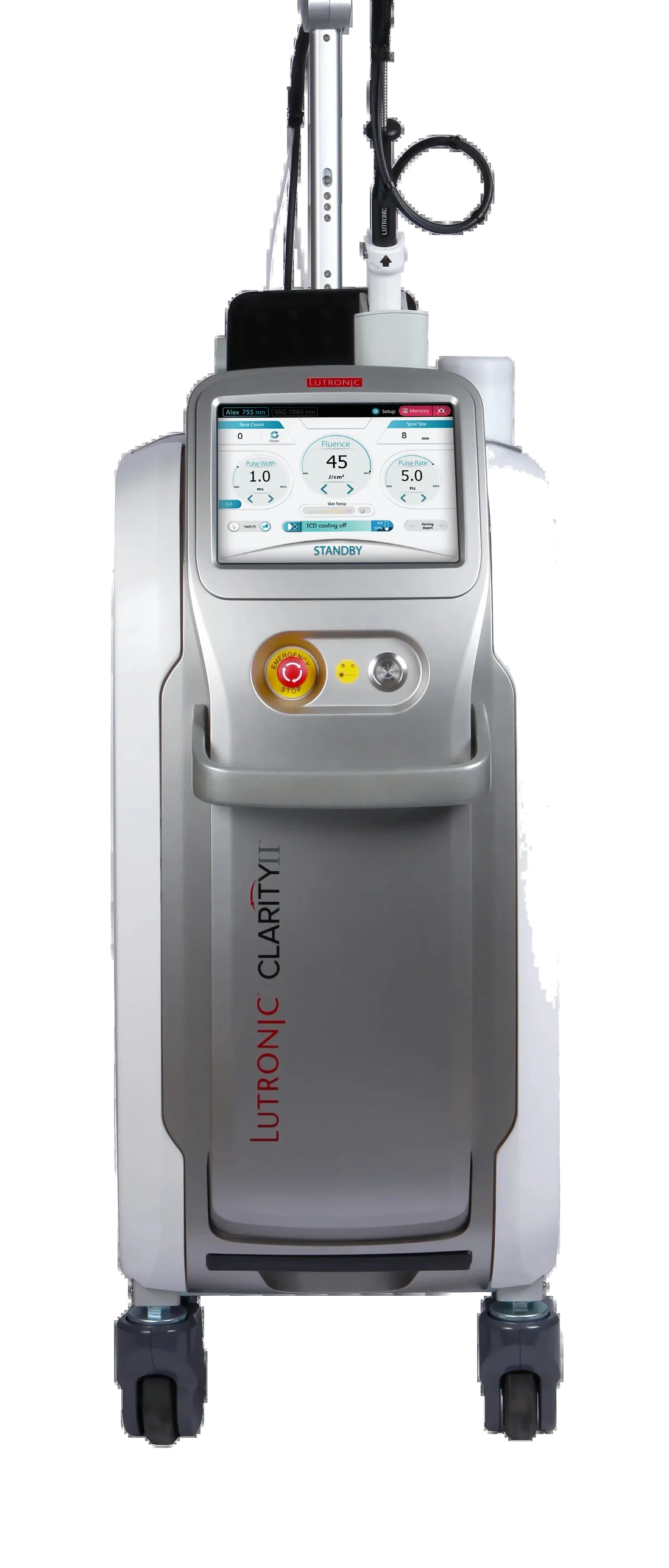
During the menopause, oestrogen levels drop while testosterone remains relatively stable — for many women, this shift leads to increased hair growth on the face, especially on the chin and upper lip. New, darker facial hair responds very well to the laser. The dual laser system at Laserazor (Alexandrit + Nd:YAG) is ideal for these changed hair types. The increased hair growth during this phase can be targeted and reduced with the laser.
Polycystic ovary syndrome (PCOS) and laser
PCOS is one of the most common hormonal disorders — the ovaries produce too much testosterone, which leads to hirsutism: thick, dark hair on the face, chest, stomach and back. Hormonal hair growth often responds well to the laser with PCOS, because the hair is usually dark and thick — well-suited for Alexandrit and Nd:YAG lasers. In detail: Treating hirsutism & hypertrichosis with the Alexandrit laser.
Important for active hormonal disorders: New follicles can be activated, even if already treated ones remain permanently inactive. Expect additional sessions (10–12 instead of 6–8) and regular touch-ups (1–2× a year). We only remove hormonally induced hair growth — the medical treatment of PCOS belongs in the hands of a doctor. We are happy to coordinate your session schedule with your treating doctor.
Thyroid conditions and laser hair removal
The thyroid regulates the metabolism and indirectly affects hair growth:
- Hypothyroidism (underactive thyroid) → slowed metabolism, thinner, more brittle hair.
- Hyperthyroidism (overactive thyroid) → accelerated metabolism, sometimes increased hair loss.
Important: Your thyroid levels must be stable before you start laser hair removal. With L-thyroxine and regular check-ups, nothing stands in the way of your treatment — we'll ask about your medical history during the consultation.
Medications with hormonal effects
- Corticosteroids (inflammation, autoimmune diseases) → can trigger increased hair growth with long-term use.
- Androgens / anabolic steroids → strongly increase testosterone levels, promote body hair growth.
- Blood pressure medication / immunosuppressants → can affect hair growth.
- Antibiotics / St John's wort → increase light sensitivity, treatment often needs to be paused.
Let us know about any medication before your treatment — we'll discuss if any adjustments are needed.
When is the best time?
The best time: when your hormone levels are stable. Normal cycles and slight fluctuations are no problem. Avoid acute changes:
- After coming off the pill: wait 3–6 months.
- After pregnancy: at least 3 months, ideally until the end of breastfeeding.
- For newly diagnosed PCOS / thyroid disorders: establish medical therapy first, then start laser treatment.
Our free trial session with skin analysis helps to find the perfect starting point.
Alexandrit or Nd:YAG for hormonal hair growth?
At Laserazor, we use a dual-laser system:
- Alexandrit laser (755 nm): wavelength, ideal for light to medium skin types (Fitzpatrick I–III) — especially effective on thick, dark PCOS hair.
- Nd:YAG laser (1064 nm): deeper penetrating laser technology for dark skin types (IV–VI) — also reaches deeply rooted follicles, less prone to pigmentation changes.
The individual technology selection is based on your skin type and hair texture. Find out more in the technology comparison Alexandrit vs. diode laser.
Treatment progress and realistic expectations
With hormonal influences, you have to expect longer treatment cycles:
- Standard treatment: 8–12 sessions.
- With hormonal influences: 8–12 sessions or more.
- Touch-ups: 1–2× a year makes sense as long as hormonal stimulation continues.
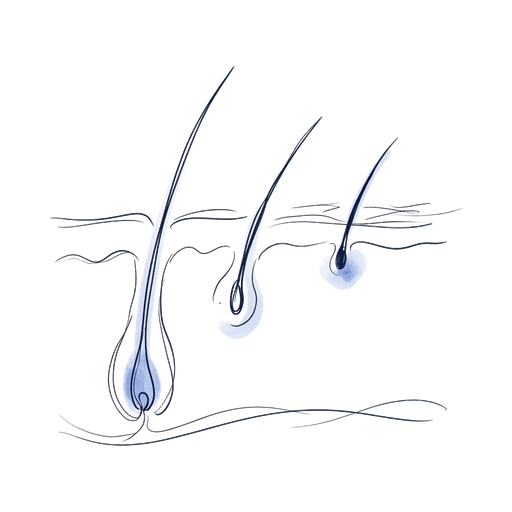
The follicles we've already treated are permanently inactive. Only new follicles activated by hormones will grow back — and we'll catch those in your next session. At Laserazor, we carefully document your treatment progress (photo timeline, zone protocol) and adjust the strategy if needed. See also our scientific fact check on permanent hair removal.
Preparation & aftercare for hormonally sensitive patients
- Before the first session: consult a doctor if you have known hormonal irregularities.
- Medication list to bring to your consultation.
- Mild, fragrance-free skincare. No harsh peels in the week before your session.
- After treatment: daily SPF 30+ on treated areas — hormonal changes can increase the risk of pigmentation shifts.
- Lifestyle: balanced diet, exercise, stress reduction — a low-glycaemic diet often helps with PCOS.
Flexible pricing models for longer treatment cycles
With hormonally induced hair growth, several body areas can be affected — face, underarms, stomach, intimate area, legs, back, chest. The laser flat rate from 99 €/month is particularly attractive here: a fixed monthly amount, multiple zones, as many sessions as you like. See also the full price list and the overview of all zones.
Your next steps
The best way to find out how laser works with your individual hormonal situation: a free trial session with skin analysis in one of our six studios. Our NiSV-certified experts will discuss hormonal factors, your medical history and create a personalised treatment plan. More about Laserazor and our team.