







🔥 VIP laser flat rate for unlimited sessions — from 99 €/month instead of calc. 389 €
FAQ · 45 answers · Verified by the NiSV expert team

All your questions about laser hair removal.

From Alexandrit & Nd:YAG and skin types Fitzpatrick I–VI, to pain, costs, hormones, pregnancy and summer care: here you'll find detailed, medically sound answers — compact and up to date for 2026. Still have questions? Message us on WhatsApp or visit one of our 5 studios in Berlin, München and Augsburg.

45answers
7NiSV experts
4studios DACH
2013★ 5,0 Reviews
Fachlich geprüft

Das Laserazor NiSV-Fachteam.

Alle 45 Antworten wurden von unseren NiSV-zertifizierten Laser-Expertinnen mit insgesamt über 35 Jahren Praxiserfahrung in Lasertechnik geprüft. NiSV (Nicht-ionisierende Strahlung Schutzverordnung, MPAV §5) ist die seit 2021 geltende gesetzliche Grundlage für den kommerziellen Einsatz von Lasern in Deutschland. Laserazor ist vollständig NiSV-zertifiziert — lerne unser Team an 5 Standorten kennen oder erfahre mehr über Laserazor.

  • NiSV-Zertifizierung (MPAV §5)
  • NiSV-geschult
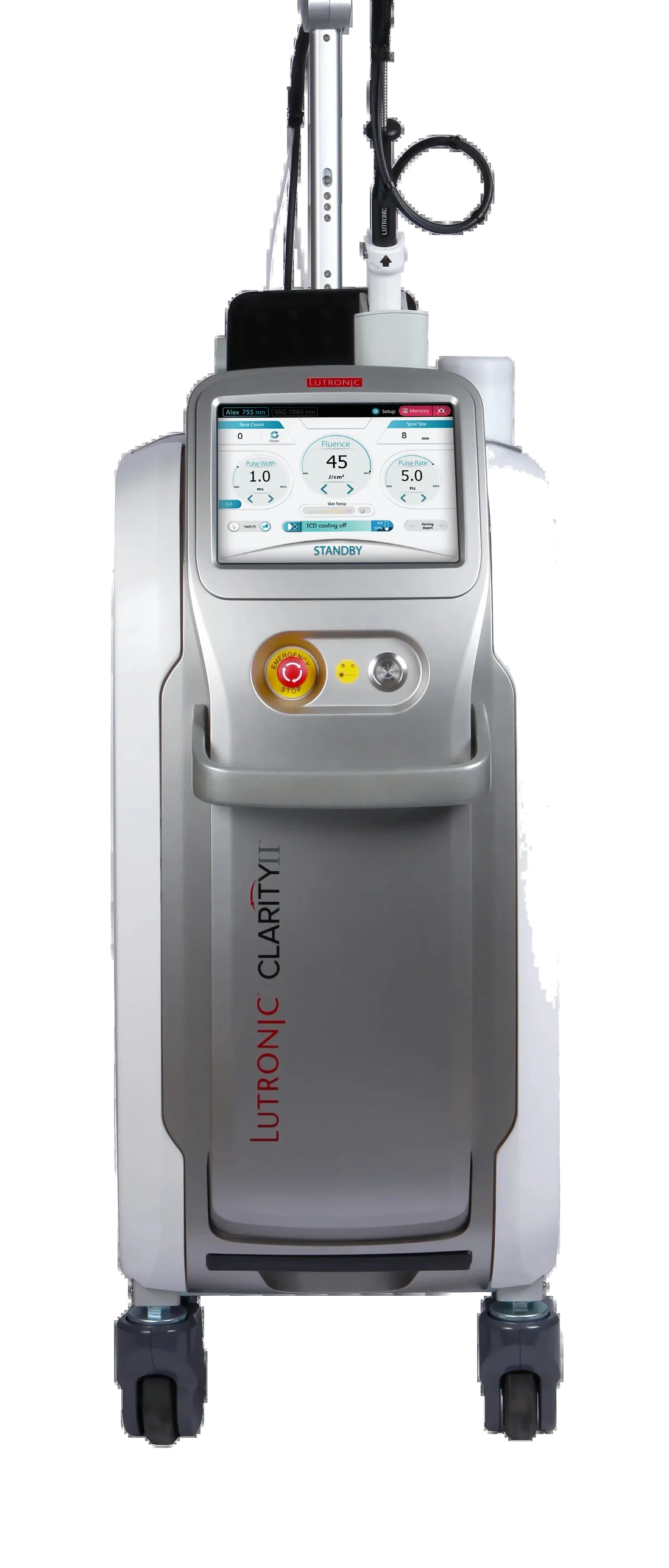
  • Lutronic Clarity II & DEKA Again Pro
  • Alexandrit 755 nm + Nd:YAG 1064 nm

Grundlagen.

8 Fragen
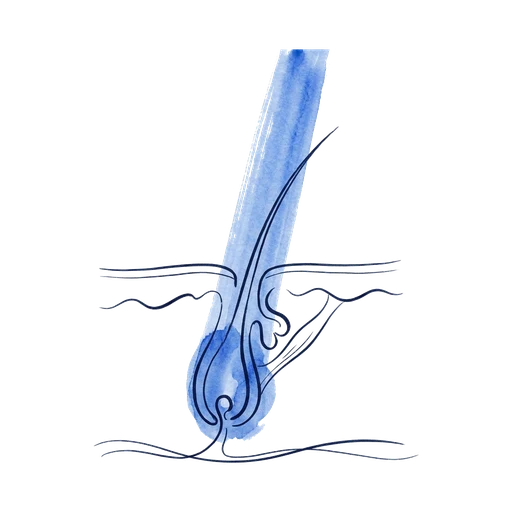
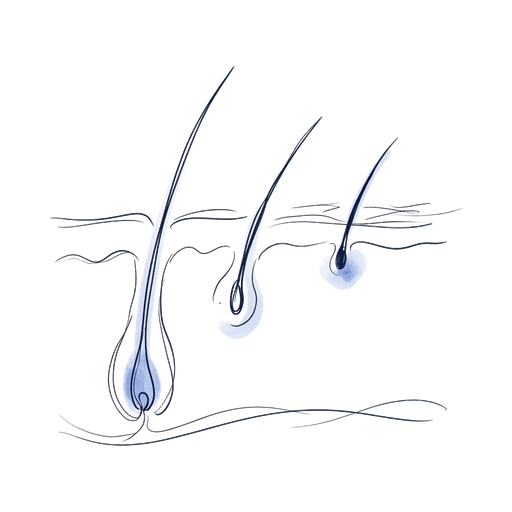
Die Laser-Haarentfernung basiert auf dem Prinzip der selektiven Photothermolyse: gebündeltes Licht einer präzisen Wellenlänge dringt in die Haut ein und wird gezielt vom Melanin — dem dunklen Farbstoff im Haar und in der Haarwurzel — absorbiert. Die Lichtenergie wandelt sich in Hitze um und verödet den Haarfollikel (die Keimzelle des Haars), ohne das umliegende Gewebe zu schädigen. Laserazor setzt zwei Wellenlängen kombiniert ein: Alexandrit (755 nm) mit hoher Melanin-Affinität für helle bis mittlere Hauttypen und Nd:YAG (1064 nm) mit tieferer Penetration für dunkle und gebräunte Haut. Damit behandeln wir zuverlässig alle Fitzpatrick-Hauttypen I–VI. Da Haare in Zyklen wachsen und nur in der aktiven Anagenphase auf den Laser reagieren, sind 8–12 Sitzungen im Abstand von 4–8 Wochen nötig. Mehr dazu im Technologie-Vergleich Alexandrit vs. Nd:YAG, im Alexandrit- und Diodenlaser-Ratgeber 2026 oder gleich in einer kostenlosen Probesession mit Hautanalyse.
"Permanent" refers to a long-term reduction of hair growth — not necessarily 100% lifelong hairlessness. The medical Alexandrit- & Nd:YAG-Laser destroys the germ cells in the hair follicle so effectively that a complete series of treatments usually achieves an 80–95 % reduction. How permanent your result is depends on the following factors:
  • Hormonal status (pregnancy, menopause, PCOS and other hormonal changes)
  • Genetic predisposition and hair density
  • Age and stage of life at the start of treatment
  • Medications that affect hair growth (e.g. hormone preparations)
Single Touch-up sessions every 12–24 months keep the result stable. Details in the Fact check "permanent" 2026.
The Diode laser (usually 808 nm) offers deeper penetration and is often used for thick hair growth and medium skin types. The Alexandrite laser (755 nm) has the highest melanin affinity of all common lasers, delivering the best efficiency for light to medium skin types (Fitzpatrick I–IV) with dark hair. Laserazor doesn't use isolated diode lasers, but a Dual laser combination of Alexandrit (755 nm) + Nd:YAG (1064 nm). This has three advantages:
  • Flexible for all skin types I–VI — Alexandrit for light, Nd:YAG for dark and tanned
  • Higher energy densities per pulse thanks to medical high-power systems (Lutronic Clarity II, DEKA Again Pro)
  • Less painful thanks to integrated Cryo air cooling down to −30 °C
More in the comparison Alexandrit vs. Nd:YAG or in the Guide to choosing a laser by skin type.
For truly permanent Selective lasers are clearly superior for hair removal. The difference briefly explained:
  • IPL (Intense Pulsed Light): broad light spectrum (500–1200 nm) from a flashlamp, not focused, lower energy density. Suitable for home devices, but not enough for permanent reduction — especially not for dark skin or light hair.
  • Diode laser (808 nm): monochromatic, good penetration, permanently effective.
  • Alexandrit + Nd:YAG (Laserazor): two exact wavelengths, maximum precision and energy, suitable for Fitzpatrick I–VI.
That's why Laserazor doesn't use IPL devices, but exclusively medical Alexandrit and Nd:YAG lasers. A free trial session with skin analysis shows you the difference directly on your own hair.
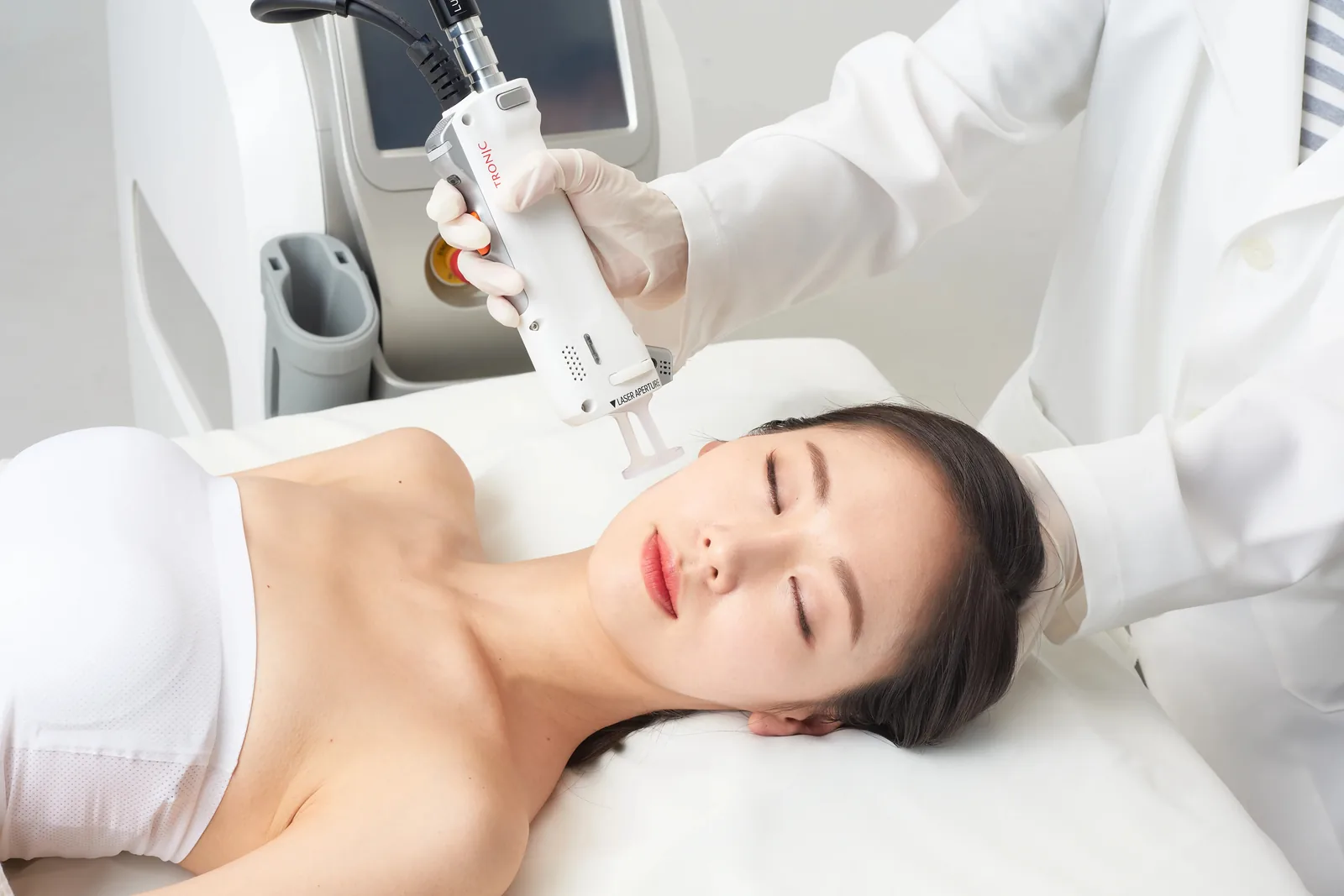
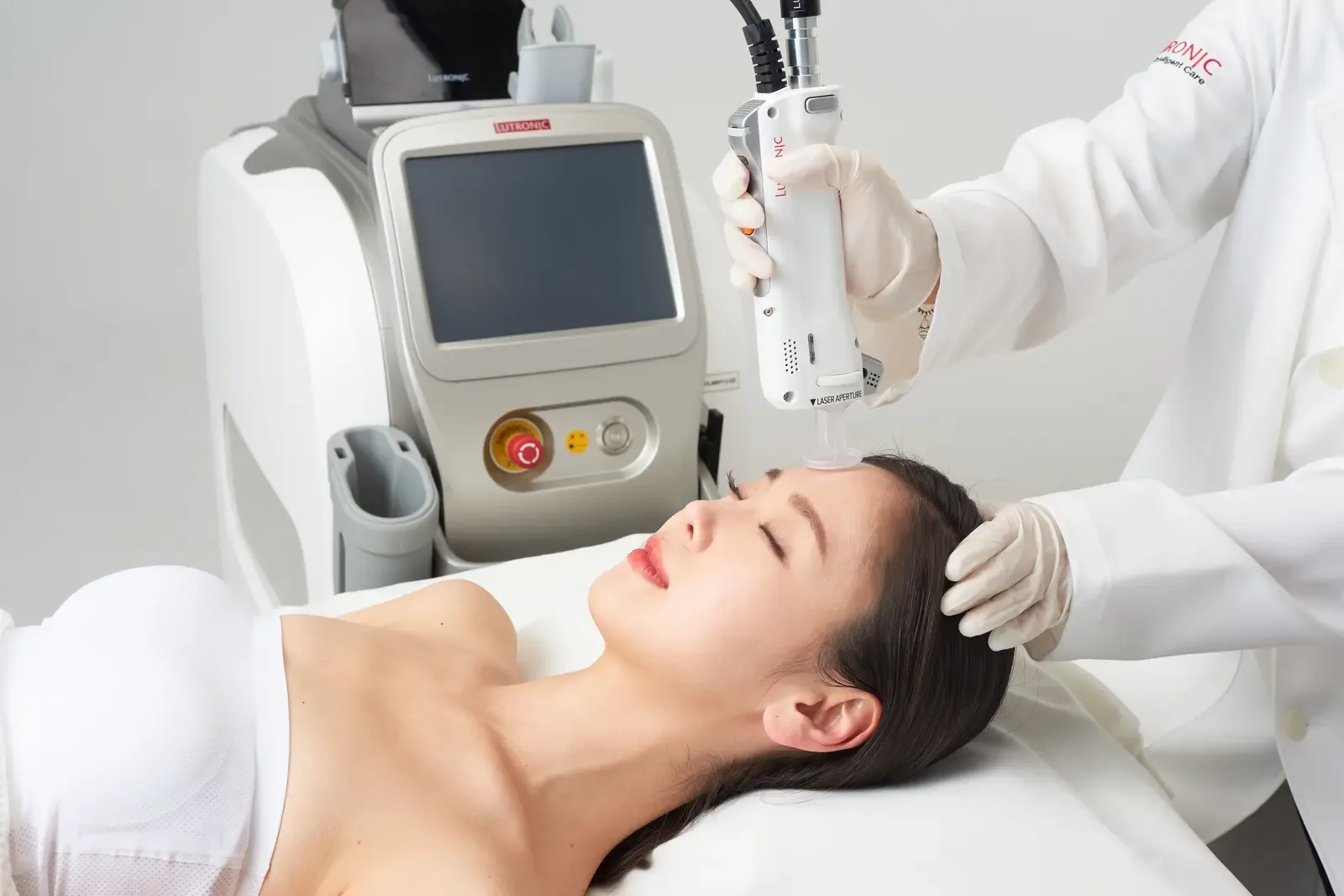
We rely exclusively medical high-power dual lasers , which are considered the gold standard in dermatology:
  • Lutronic Clarity II — South Korean premium system with Alexandrit (755 nm) and Nd:YAG (1064 nm), Cryo air cooling, IntelliTrak real-time fluence measurement.
  • DEKA Again Pro — Italian dual system with Moveo technology for particularly even energy delivery across large areas.
Both devices are CE medically certified, NiSV-compliant and identical to the systems used in renowned dermatology clinics. You can check out the technology we use on-site at all four Laserazor studios in Berlin, München and Augsburg see — or in the team profile under About Laserazor.
The NiSV (Regulation on Protection against the Harmful Effects of Non-Ionising Radiation in Human Applications) is the legal basis for the commercial use of lasers, IPL and HF devices in Germany. It was 31.12.2020 came into effect and has been mandatory since 2021. For laser hair removal, this means:
  • The treatment may only be carried out by qualified professionals with a certificate of competence according to §5 MPAV.
  • Every studio must keep written documentation of all treatments.
  • Facial lasers are reserved for doctors and trained professionals.
All Laserazor experts are NiSV-certified and dermatologically trained. Details in the official NiSV legal framework or on our site About Laserazor.
Both methods remove hair permanently — but in a completely different way:
  • Electrolysis: a fine needle is inserted into the follicle of every single hair and an electrical impulse is delivered. Only advantage: also works on white or very blonde hair. Disadvantages: very time-consuming (up to several hours for a small area), significantly more painful, higher risk of infection.
  • Laser (Alexandrit + Nd:YAG): treats thousands of follicles in a second with light pulses. Low pain thanks to Cryo cooling down to −30 °C, for all skin types I–VI, large areas like the back or legs in 20–35 minutes.
Electrolysis at Laserazor is only as a supplement for individual remaining white hairs makes sense after completing laser therapy. For all dark hair, the laser is unbeatable — see our Methods fact check 2026.
The medical laser destroys the hair root virtually painless and permanent1, whereas shaving and waxing only remove hair on the surface and have to be repeated for a lifetime. Specific benefits:
  • No more ingrown hairs (the most common waxing problem, especially on the bikini line and intimate area).
  • Say goodbye to razor burn, spots and nicks.
  • Massive time and money savings — shaving twice a week adds up to several thousand euros over 30 years.
  • Smooth complexion, as the laser closes the follicle opening and refines the skin texture in the long term.
You can find details on why laser is superior to waxing in our Bikini line guide and in the VIP Laser flat-rate from €99/month.

Sessions & results.

8 questions
Usually, they are 8 to 12 treatments necessary to achieve an optimal result. After just 2–3 sessions, 50–70 % less hair visible. The reason for multiple appointments is biological: hair goes through three cycle phases — anagen (growth), catagen (transition) and telogen (resting) — and only hair in the active anagen phase contain enough melanin to be targeted by the laser. As only about 20–30 % of hairs are in the anagen phase at any one time, sessions must be spaced out to reach all follicles. Additional factors:
  • Body area: hormone-sensitive areas like the face or intimate area often need 8–12 sessions.
  • Hair colour and density: dark, thick hair reacts faster than fine hair.
  • Skin type I–VI: influences the energy setting, not the success.
More on the treatment rhythm in the Guide "How often to get laser?" or when planning your VIP Laser flat-rate from €99/month.
The ideal intervals depend on the growth rate of the respective zone:
  • Face, neck, beard line: 4 weeks
  • Underarms, bikini line, intimate area: 4–8 weeks
  • Arms, chest, stomach, back: 4–8 weeks
  • Legs: 4–8 weeks
We adapt the rhythm individually to your anagen cycle, hormone status and hair type. Shorter intervals offer no advantage — on the contrary: they mainly hit telogen hairs, which barely react. During the VIP Laser Flat-Rate you can time your intervals flexibly without paying per session. Details in the Session guide.
The result can last long-term1 — in many studies, dermatologists report an 80–95 % reduction that remains stable for years. Relevant factors influencing longevity:
  • Hormonal changes (pregnancy, menopause, PCOS, thyroid dysfunction)
  • Medications that affect the hair cycle (minoxidil, anabolic steroids, certain antidepressants)
  • Age at the start of treatment — the younger you are, the more often follow-ups make sense
Single Touch-up sessions every 12–24 months are enough to maintain the result permanently. Get to know our NiSV experts get to know us or secure a free trial session with skin analysis.
If a few individual hairs grow back after your course of treatments, in the vast majority of cases this is caused by hormones or medication — not because the laser "didn't work". Typical triggers: pregnancy, stopping or changing the pill, thyroid dysfunction, PCOS, starting hormone therapy, testosterone supplements. Our recommendation:
  • Touch-up session every 12–24 months at a great single price or as part of the VIP flat rate.
  • For noticeable new growth: medical check of your hormone levels.
  • New follicles that were inactive during childhood/puberty can be activated during life stages like menopause — we also target these with follow-up treatments.
Find out more in the guide Hormonal changes and laser hair removal.
Hormonal changes can noticeably affect the hair cycle. Particularly relevant are:
  • Pregnancy & breastfeeding: elevated oestrogen levels prolong the anagen phase — more hair grows at the same time. After birth, increased hair growth often kicks in (see our Pregnancy Guide).
  • PCOS (Polycystic Ovary Syndrome): elevated androgen levels cause hirsutism — increased hair growth on the chin, upper lip, chest, stomach.
  • Menopause: due to falling oestrogen and rising androgen levels, new facial hair often appears.
  • Thyroid dysfunction: hypo- and hyperthyroidism change hair density and structure.
For hormonally induced hair growth, we recommend regular Touch-up sessions. In detail: Hormone guide and Treating hirsutism & hypertrichosis with the Alexandrit laser.
After completing your course of treatments (usually 8–12 sessions), Touch-ups usually 1–2 times a year sufficient. They are used to:
  • to catch individual hairs from previously inactive follicles,
  • to destroy newly hormonally activated hair (e.g. after coming off the pill) in time,
  • to maintain the result at a 90–95 % hair reduction long-term.
Touch-ups usually cost only a fraction of the full series. In the VIP Laser Flat-Rate they are already included — one flat rate, always smooth skin with no extra costs.
Yes — and exceptionally well. Melanin is the laser's target pigment: the more melanin in the hair, the more efficiently it absorbs the energy and the more effectively the follicle is destroyed. Dark, highly pigmented hair on light skin are considered an ideal starting point. With dark hair on dark skin (Fitzpatrick V–VI) we use the Nd:YAG laser (1064 nm), which reaches the melanin in the hair root without overheating the melanin-rich skin. Less effective, however, are:
  • Grey and white hair (no melanin)
  • Very light blonde and reddish hair (too little eumelanin)
  • Fine vellus hair (not enough volume)
Details in the technology comparison Alexandrit vs. Nd:YAG.
After hair removal, razor burn, ingrown hairs and little spots are a thing of the past — many feel their skin is smoother as a result. It doesn't have a direct effect on skin structure, collagen or skin conditions; treating the complexion, scars or pigment changes is strictly for medical professionals and isn't something we offer. Find out more in our low-pain laser hair removal guide.

Costs & packages.

5 questions
Prices at Laserazor are completely transparent and based on the size of the treated area:
  • Small areas (upper lip, chin, ears): from 21 € per single session
  • Medium zones (underarms, bikini line): from 38–49 €
  • Full intimate area: from 76 €
  • Full legs: from 170 €
In the 10-pack you get up to 45 % off. Alternatively, the VIP Laser flat-rate from €99/month unlimited sessions on all booked zones — the most cost-effective option for anyone wanting to treat multiple areas. Plus: one free trial session per zone is always included. Full price list (17 areas) · Cost deep dive with financing.
Yes, Laserazor offers three package models with increasing discounts:
  • 3-session package: 15 % discount — great for getting started
  • 5-session package: 30 % discount — most popular start for complete series
  • 10-session package: up to 45 % off — for complete permanent hair removal
If you two or more zones treated, you can combine packages at additionally discounted prices. The absolute cheapest option is the VIP Laser flat-rate from €99/month: unlimited sessions, top-ups included, book as many zones as you like. Price comparisons and price list: Price overview.
The VIP Laser Flat-Rate is our premium model for anyone wanting to permanently treat multiple areas. Included are:
  • Unlimited sessions on all booked areas during the term
  • Touch-ups after completing your main course — at no extra cost
  • Appointment flexibility across all four Laserazor studios
  • Priority booking and personal VIP support
  • Option to add further zones at any time for an additional charge
Starting from 99 €/month (instead of a calculated 389 € for a single booking). Terms of 12 or 24 months, flexibly adjustable. All details and options: View VIP laser flat rate terms.
After 6–8 completed laser sessions, you no longer need the ongoing costs for waxing, razor blades, shaving foam, hair removal cream and salon visits almost completely. A calculation example for the intimate area:
  • Waxing in a studio: approx. 35 € every 4 weeks = 455 €/year — over 30 years approx. 13.650 €
  • Weekly shaving needs: blades + foam approx. 80 €/year — over 30 years approx. 2.400 €
  • Laser (package of 10 full intimate area): one-off approx. 500 € — no further costs
The potential savings are per zone at several thousand euros over a lifetime. Plus the time, nerves and skin you save. Details on the cost-benefit analysis in the Cost guide.
Usually not, as laser hair removal is mostly considered a aesthetic service is classified. There are exceptions for medically indicated treatments — for example for:
  • Severe hirsutism due to PCOS or other endocrine disorders
  • Transidentity (gender-affirming treatments, depending on health insurance and individual case review)
  • Chronic severe pseudofolliculitis with inflammatory skin changes
In such cases, we recommend getting a medical diagnosis, submitting an individual application to your health insurance, and getting written confirmation of coverage. Our teams are happy to advise you — just ask us at your next appointment or message us via Contact or WhatsApp.

Pain & safety.

6 questions
Most clients find the laser treatment to be minimally painful and describe the feeling as a quick pinch or a warm tingle — similar to a snapping rubber band. Thanks to the integrated Cryo air cooling down to −30 °C and a contact sapphire crystal on the handpiece, the skin's surface is before, during and after cooled with every laser pulse. This drastically reduces the pain sensation compared to older IPL or diode laser systems without cooling. In direct comparison:
  • Laserazor dual laser with Cryo: 2–3 out of 10 on the pain scale
  • Waxing: 6–8 out of 10
  • Electrolysis: 7–9 out of 10
Sensitive areas like the intimate zone or upper lip are slightly more intense, but remain very bearable even there thanks to Cryo cooling. Details and tips in the Pain guide or in the article Virtually painless laser hair removal.
Yes — thanks to contact and air cooling, most clients find the treatment even in sensitive areas to be virtually painless and easily tolerable. Our experience:
  • Intimate and bikini area: slightly more intense, but quick — just a few minutes of treatment time per area (intimate area treatment).
  • Upper lip, chin, cheeks: gentle plucking sensation. Full-surface cooling before and after the pulse.
  • Underarms: only 10 mins, barely noticeable thanks to high cooling power.
  • Inner forearms, neck, back of the neck: just as comfortable as less sensitive areas.
For especially sensitive skin, we use Nd:YAG with gentler parameters and extra breaks. Details in the Guide for sensitive skin.
As with any medical treatment, there are potential side effects — but with professional laser hair removal, they are rare and mostly harmless. Common (normal):
  • Mild redness and swelling of the treated skin (fades after a few hours to 1–2 days)
  • Perifollicular papules (small bumps around the follicles) — a sign of a successful follicle reaction
  • Warm sensation for up to 24 h after the session
Less common: Blistering, superficial burns, temporary Pigmentation changes (hypo-/hyperpigmentation — especially with darker skin or insufficient UV protection), crusting, in isolated cases paradoxical hypertrichosis (increased hair growth, hormonally induced).

Our prevention strategy: individual Parameter settings, previous Skin Analysis, more consistent UV protection (SPF 50 for 4 weeks) and no treatment with an active tan, open wounds or light-sensitising medication. If unsure: medical clearance recommended. Details in the Preparation checklist and Aftercare guide.
We will postpone or cancel a laser treatment in the following situations:
  • Pregnancy and breastfeeding — purely as a precaution (see our Pregnancy Guide)
  • Active tan or sunbed visits in the last 2–4 weeks
  • Light-sensitising medications: certain antibiotics (tetracyclines, doxycycline), isotretinoin (acne medication, 6-month break), some antidepressants, St John's wort
  • Acute skin conditions in the treatment area: herpes, psoriasis flare-up, neurodermatitis flare-up, eczema, open wounds
  • Tattoos and permanently dyed skin areas — are avoided
  • Light-sensitive autoimmune diseases (e.g. lupus erythematosus)
  • Epilepsy with photo-provocation (individual assessment)
If you're unsure, we recommend medical consultation before the first treatment. We document every contraindication according to NiSV regulations. Preparation details in the Preparation guide.
Yes — especially with sensitive skin, Rosacea, Neurodermatitis outside of active flare-ups, Couperose or allergic skin the modern dual laser is a gentle solution because it eliminates the constant mechanical irritation of shaving and waxing. What we offer for sensitive skin:
  • Test shots during the free trial session to check tolerance
  • Nd:YAG with longer pulses and lower fluence — gentler on reactive skin
  • Continuous Cryo cooling at −30 °C minimises irritation
  • Gentle post-treatment care with panthenol and aloe
During active flare-ups of a skin condition, we pause until the skin has calmed down again. Detailed guide: Laser for sensitive skin.
During Pregnancy and breastfeeding we recommend pausing the laser treatment — for two reasons:
  • Hormonal fluctuations change the hair cycle so much that treatment results aren't stable and you'd need extra sessions.
  • There are not enough studies on the safety during pregnancy; therefore, professional associations recommend taking a break as a precaution.
Recommended start after giving birth: for non-breastfeeding mothers, approx. 6 weeks postpartum; for breastfeeding mothers, after weaning plus 4–8 weeks for hormonal stabilisation. Areas with Melasma (pregnancy mask) we do not treat — pigmentation changes must be checked by a doctor. Full details in the guide Laser after pregnancy.

Skin types & areas.

8 questions
Laser hair removal is generally suitable for all genders, most skin types and dark pigmented hair. It's traditionally most effective on light skin + dark hair (Fitzpatrick I–III) — but thanks to our Nd:YAG technology, we also treat dark skin up to Fitzpatrick VI safe. The only less suitable types are: very light blonde, white and grey hair (too little melanin). Target groups that benefit the most:
  • Men and women with razor burn and ingrown hairs
  • People with PCOS-related hirsutism or facial hair
  • Post-menopausal women with hormonal facial hair
  • Athletes (Laser hair removal for athletes)
  • People with dark skin (Fitzpatrick V–VI)
We'll find out if you're a suitable candidate during a free trial session with skin analysis out. More: Fitzpatrick skin type check.
Yes. The Fitzpatrick scale is the dermatological classification of 6 skin types based on their reaction to UV radiation:
  • Type I: very fair skin, reddish/blonde hair, always burns — Alexandrit (755 nm)
  • Type II: fair skin, blonde hair, usually burns — Alexandrit
  • Type III: medium skin, tans moderately — Alexandrit
  • Type IV: Mediterranean skin, tans easily — Alexandrit or Nd:YAG depending on tan
  • Type V: dark skin (Latin America, Middle East, South-East Asia) — Nd:YAG (1064 nm)
  • Type VI: very dark skin (African, Afro-Caribbean) — Nd:YAG
Thanks to the combination Alexandrite + Nd:YAG covers Laserazor all skin types safely. Guide: Laser selection by skin type (Alexandrit, diode, Nd:YAG).
Yes — and safely. For dark skin, however, choosing the right laser is crucial. The Nd:YAG laser (1064 nm) is the gold standard here because its wavelength:
  • penetrates deeper into the skin and precisely targets the hair follicle,
  • is barely absorbed by the epidermal melanin of dark skin — this minimises the risk of hyperpigmentation,
  • combined with Cryo cooling, has a particularly gentle effect.
Risks of using the wrong laser technology (Alexandrit on types V–VI, IPL without adjustment): burns, lasting pigmentation changes, scarring. That's why it's important to only get treated at NiSV studios with Nd:YAG experience. All Laserazor studios have Nd:YAG on board. Details in the Skin type guide.
Yes — both for Men for beard contouring, neck hair reduction or complete beard removal, as well as for Women with facial hair due to PCOS or hormonal changes. However, the beard area is one of the most challenging zones:
  • Thick, dark hair roots respond very well to Alexandrit (755 nm)
  • Because facial skin is sensitive to hormones, 8–12 sessions are usually needed (instead of 6–8)
  • Intervals: 4 weeks — shorter than for body areas
  • For contouring (cheeks/neck only), we stick to clearly defined lines
In detail for men: Laser hair removal for men. For hormonal facial hair: Hirsutism & hypertrichosis guide.
On the face and head, we treat all typical zones — depending on gender and your needs:
  • Upper lip and chin (classic for female facial hair)
  • Cheeks, sideburns, jawline beard
  • Full beard contour (men)
  • Back of the neck and neckline
  • Between the eyebrows (monobrow) — precise with a test shot
  • Ears and earlobes
For safety reasons, we do not treat the eye itself or the immediate eyelid area (retina protection is mandatory under NiSV). Overview of all treatment areas: Face & head treatments.
Laser hair removal for men is growing rapidly — for reasons like hygiene, sports performance, razor burn prevention and aesthetic preference. Most popular areas at Laserazor:
  • Back and shoulders — hard to shave yourself, ideal for laser
  • Chest and stomach — even reduction or complete removal
  • Beard line, sideburns, neck — clean contours without razor burn
  • Intimate and bikini area — hygiene, no ingrown hairs
  • Underarms — more comfortable for sports and everyday life
Men's hair is often thicker and denser, which is why we work with a higher fluence. Detailed guide: Laser hair removal for men — areas, sessions, costs · Laser hair removal for athletes.
Fine, fair Vellus hair ("peach fuzz", often on the cheeks and upper lip) contains little melanin and is less reliably targeted by the laser than thick terminal hair. Still, there are options:
  • With adjusted fluence and shorter pulses, a portion of vellus hair can be reduced
  • After several sessions, any remaining hair continues to thin out
  • For very fine/blonde vellus hair, electrolysis is more effective as a follow-up treatment
During the trial session, we analyse your hair density and pigmentation and discuss how much reduction is realistic. Book a free trial session with skin analysis.
Full areas have three solid advantages over single spots:
  • Aesthetically even: no visible transitions between treated and untreated areas.
  • More economical: the price per cm² is significantly better for full areas.
  • No "shadows": especially on the bikini line or back, partial treatments look uneven after a few sessions.
At Laserazor, you can treat a complete zone as a one-off test for free in the trial session — you can see firsthand how effective and low-pain the dual laser is. Overview of all areas: 17 treatment zones at a glance.

Preparation & aftercare.

10 questions
Your free trial session at Laserazor takes approx. 45 minutes and includes four steps:
  1. Consultation & medical history — we'll determine your skin type (Fitzpatrick), hair colour, medications, hormone status, previous hair removal and expectations.
  2. Skin analysis — we photographically document the area and check for contraindications.
  3. Full treatment of your chosen area with the medical Alexandrit + Nd:YAG dual laser — truly the full area, no mini test patch.
  4. Personal treatment plan with sessions, intervals and a package or flat-rate recommendation.
No obligation, no pressure to buy. Available in all four Laserazor studios. Now book a free trial session with skin analysis.
Proper preparation is key to safety and results. Our 2-week checklist:
  • 2 weeks before: no sunbathing, no sunbeds, no fake tan — an active tan increases the risk of pigmentation changes.
  • 4 weeks before: no waxing, epilating or plucking — the hair root must be intact for the laser to work.
  • 24 hours before: shave the area — so the laser energy reaches the follicle directly.
  • On the day of treatment: no creams, lotions, deodorants, perfumes or make-up on the zone. Skin clean and dry.
  • Medications: check with your doctor in good time about light-sensitising active ingredients (tetracyclines, isotretinoin, St John's wort).
Complete checklist with printable PDF: Preparation guide with checklist.
Some active ingredients increase the Photosensitivity of the skin and can trigger reactions like burns or pigmentation spots. Main examples:
  • Tetracyclines (doxycycline, minocycline): pause 1–2 weeks before treatment
  • Isotretinoin (acne medication like Roaccutane): 6 months pause after stopping
  • St John's wort (herbal antidepressant): at least a 2-week break
  • Retinoid creams (tretinoin, adapalene): 5–7 day break locally
  • Fruit acids/AHA peels: 1 week break on the treatment area
  • Cortisone creams: 3–5 day break locally
If you're on long-term medication always check with us first with your treating doctor and our laser expert. We ask about this as standard during your consultation. Details: Preparation guide.
Before the treatment:
  • No hair removal from the root (waxing, plucking, epilating) for 4 weeks
  • No strong sun or sunbeds for 2 weeks
  • Shave 24 h beforehand
  • Zone free from creams, deodorant, perfume
After the treatment:
  • No hot showers, sauna, swimming pool, or steam room for 48 h
  • No intense exercise for 24 h (sweat irritates the sensitised skin)
  • SPF 50 for 4 weeks on the treatment area — ideally mineral with zinc oxide
  • No peels, fruit acids, retinoids for 5–7 days
  • Light cooling with aloe vera gel or panthenol for redness
Full instructions: Aftercare guide with product list.
Yes — between appointments, it is Shaving is explicitly allowed and even recommended. The hair root remains intact, so the laser catches all newly sprouting anagen hairs in the next session. What to do between sessions avoid you should:
  • Waxing, sugaring, epilation — removes the hair root, meaning the laser loses its target
  • Plucking with tweezers — same effect, even for individual hairs
  • Hair removal creams — chemically attack the skin, interfere with aftercare
Also 24 h before every follow-up appointment: a fresh shave beforehand. This reduces the heat sensation and prevents the energy from being absorbed by the visible hair shaft instead of the follicle. More in the Preparation guide.
Right after a laser session, the skin is briefly sensitive to heat. Our recommendations for the first 24–48 hours:
  • Showering: lukewarm, without exfoliants, scrubs or heavily perfumed shower gels — allowed
  • Hot showers, baths over 38 °C, sauna, steam room: avoid for 48 h
  • Swimming pool (chlorine) and sea (salt): 48 h break
  • Intense sports with sweating: pause for 24 h — sweat can irritate the treated follicles
  • Light exercise and walks: no problem
For outdoor sports, additionally: protect the area with SPF 50 and avoid direct sun exposure. Especially for athletes: Laser hair removal for athletes.
Not necessarily — Laser treatments in summer are possible, if you follow three rules:
  1. No fresh tan — 2–4 weeks gap after intense sunbathing or a holiday
  2. Apply SPF 50 consistently, especially on treated areas
  3. Choose areas cleverly — underarms, bikini line and intimate area are usually covered by clothing and can be treated easily
For legs, arms or the face, taking a break is a good idea if you have a deep tan. Alternative: Start of the laser series in autumn/winter, to be ready for swimsuit season. Complete season plan: Laser hair removal in summer.
For at least 4 weeks after each session consistent UV protection is a must — this is the most important step to prevent pigmentation changes. Our recommendations:
  • Sun protection factor: at least SPF 50, ideally 50+
  • Filter type: preferably mineral with zinc oxide or titanium dioxide — less risk of irritation than chemical filters
  • Broad-spectrum protection: UVA + UVB + HEVIS (blue light) for the best pigment prevention
  • Every 2 hours reapply when outdoors
  • Even in winter: don't forget UV protection on exposed areas (face, hands, neck)
Additionally for Fitzpatrick V–VI Tyrosinase inhibitors (consider azelaic acid, vitamin C). Details: Aftercare guide.
Pigmentation changes (hypo- or hyperpigmentation) are almost always avoidable if you follow these rules:
  • SPF 50 for 4 weeks after every session — not just "when the sun is shining"
  • No peels (AHA, BHA, enzyme peels) for 7 days
  • Mild skincare without fragrances and alcohol
  • No fake tan between sessions
  • For dark skin types (IV–VI): tyrosinase inhibitors like azelaic acid, arbutin or vitamin C prophylactically
  • Individual fluence: our experts adjust the energy for you to minimise pigment reactions
If any changes in pigmentation do occur, they usually fade on their own within 4–8 weeks. Complete aftercare: Aftercare guide with product list.
All four Laserazor studios work with the same Dual laser technology (Alexandrit + Nd:YAG) and the same NiSV quality standard. You can choose your studio by Directions and opening hours choose — and even switch between studios:As a package or flat-rate customer, you can have your treatment flexibly in any studio. All 5 studios at a glance.
Locations

Ask us in person — at one of our 5 studios.

Free trial session or on-site consultation in Berlin, München or Augsburg. Click on a studio for directions, opening hours and contact details.

Laserazor Berlin Pestalozzistr.

Charlottenburg · Flagship studio

Pestalozzistraße 1310625 Berlin
Mon–Fri 8:00–22:00Sat 8:00–18:30 · Sun closed
Show Google mapWhen loading, data is transmitted to Google. By clicking, you accept this once for this page visit.

Laserazor Berlin Danckelmannstr.

Charlottenburg · near Ku'Damm

Danckelmannstraße 2414059 Berlin
Mon–Fri 8:00–22:00Sat 8:00–18:30 · Sun closed
Show Google mapWhen loading, data is transmitted to Google. By clicking, you accept this once for this page visit.

Laserazor München Haidhausen

Haidhausen · at Rosenheimer Platz

Steinstraße 5781667 München
Mon–Fri 8:00–20:00Sat 8:00–18:30 · Sun closed
Show Google mapWhen loading, data is transmitted to Google. By clicking, you accept this once for this page visit.

Laserazor Augsburg

Altstadt · at Rathausplatz

Unter dem Bogen 286150 Augsburg
Mon/Thu 11:30–20:00 · Tue/Wed/Fri 8:00–20:00Sat 8:00–18:30 · Sun closed
Show Google mapWhen loading, data is transmitted to Google. By clicking, you accept this once for this page visit.

Still have questions?

Our NiSV-certified expert team is happy to answer your questions via WhatsApp — or book your free trial session with skin analysis directly at one of the four Laserazor studios in Berlin, München or Augsburg.

Book a free trial session with skin analysis