






















- What are pigmentation spots and hyperpigmentation?
- Can you get laser hair removal if you have pigmentation spots?
- Which laser technology is suitable for pigmented skin?
- Alexandrit laser and pigmentation spots
- Nd:YAG laser as a safe alternative
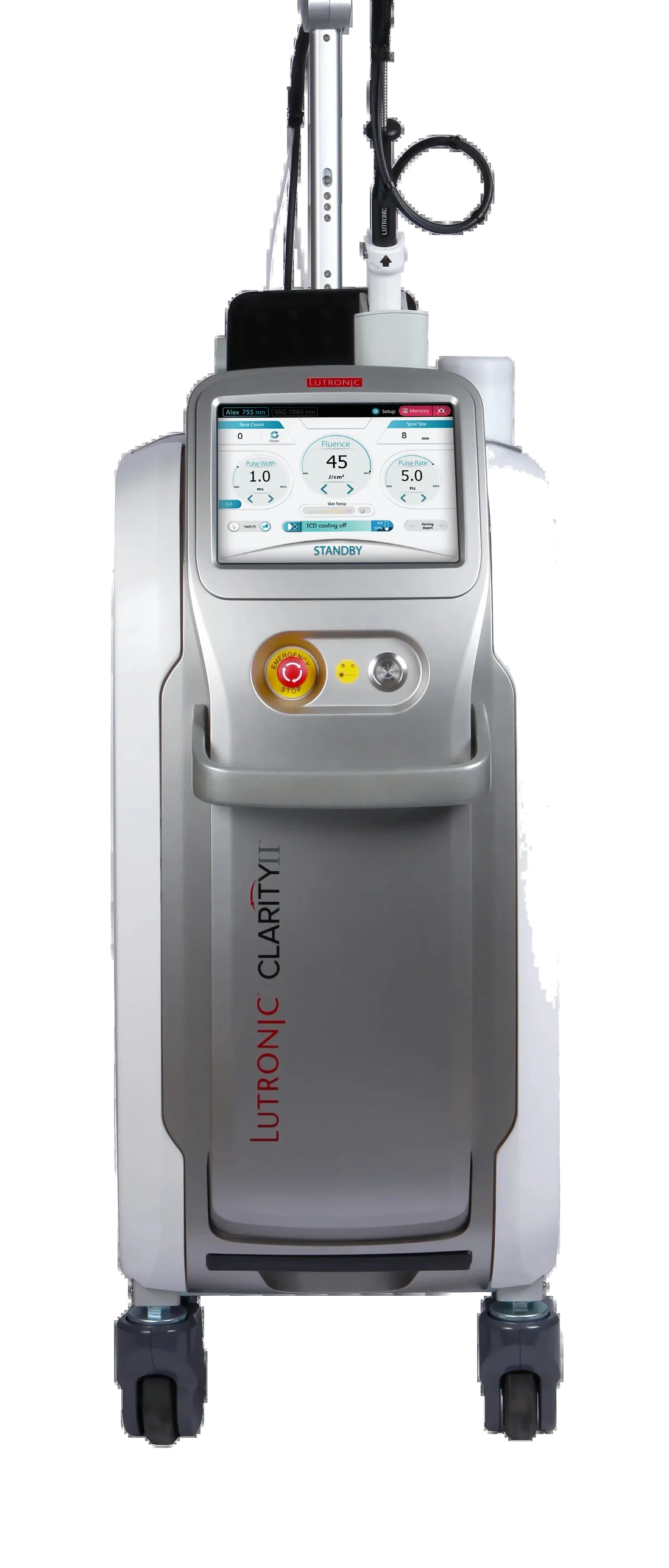
- Dual laser system for customised treatment
- Risks and side effects for pigmented skin
- Preparing for laser hair removal on pigmentation spots
- What to keep in mind during and after your treatment?
- During your laser session
- Aftercare for pigmented skin
- Frequently asked questions

With hyperpigmentation, the right wavelength is key
Pigmentation spots don't have to rule you out. This guide explains skin analysis, Alexandrit vs. Nd:YAG, risks, and aftercare for hyperpigmentation.
What are pigment spots and hyperpigmentation?
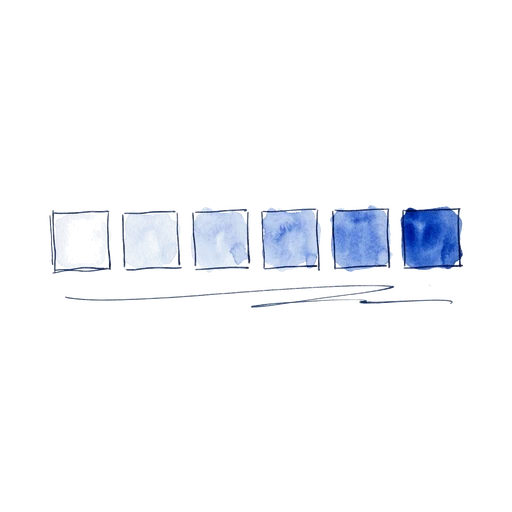
Pigmentation spots are caused by an overproduction of melanin, the pigment that gives our skin its colour. There are various types of pigmentation disorders with different causes. Melasma often appears as larger, irregular patches on the face and is triggered by hormones or sun exposure. Post-inflammatory hyperpigmentation occurs after inflammation, injuries, or acne, leaving dark spots on the skin. Age spots develop from years of UV exposure and mostly appear on the hands, face, and décolletage.
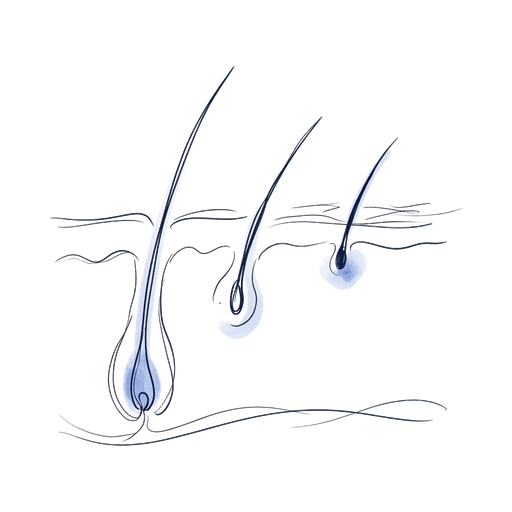
Melanin plays a central role in the formation of pigmentation spots. When melanocytes, the pigment-producing cells, produce too much melanin, dark discolouration occurs. This can be superficial in the epidermis or anchored deeper in the dermis. Superficial pigmentation responds better to treatments, while deep pigmentation is more stubborn. This distinction is important in laser hair removal, as the laser specifically targets the melanin in the hair follicles.
Can you have laser hair removal despite pigmentation spots?
Yes, laser hair removal is generally also possible with hyperpigmentation. However, feasibility depends on several factors. Your individual skin type, the type and intensity of the pigmentation, and the laser technology used determine how safe and effective the treatment will be. Modern dual-laser systems allow the treatment to be precisely adapted to pigmented skin areas.
It's important to have a professional skin analysis before your first treatment. This determines whether the pigmentation spots are active, how deep they are, and which laser is best suited for you. Extra caution is needed if the pigmentation is fresh, there has been recent sun exposure, or you're taking photosensitising medication. At Laserazor, we provide a thorough consultation and offer a free trial session to check your skin's tolerance.
Which laser technology is suitable for pigmented skin?
Choosing the right laser technology is crucial for safe treatment on pigmentation spots. Not every laser is equally suited for pigmented areas of skin. The laser's wavelength determines how deep it penetrates the skin and how strongly it interacts with the melanin.
Alexandrit lasers and pigmentation spots
The Alexandrit laser operates at a wavelength of 755 nm and is particularly effective on lighter skin types. Its high melanin absorption makes it a great choice for hair removal on mildly pigmented skin. For lighter skin types with superficial pigmentation issues, the Alexandrit laser can be used safely, provided the parameters are set correctly. However, with darker pigmentation spots or higher skin types, there is an increased risk of side effects.
The strong melanin absorption of the Alexandrit laser means it reacts to the melanin in the hair follicles as well as the melanin in pigmentation spots. In some cases, this can lead to increased pigmentation. At Laserazor, we only use the Alexandrit laser on pigmented skin areas after careful consideration.
Nd:YAG laser as a safe alternative
The Nd:YAG laser with its wavelength of 1064 nm is the safer choice for darker skin types and hyperpigmentation. Its longer wavelength penetrates deeper into the skin, largely bypassing the superficial melanin. This reduces the risk of worsening existing pigmentation spots or creating new ones.
The big advantage is that the Nd:YAG laser reaches the melanin in the hair follicles without interacting heavily with the melanin in the epidermis. This technology is particularly safe for post-inflammatory hyperpigmentation, melasma or natural pigmentation in the intimate area. The treatment is gentler and the risk of additional pigment changes is significantly lower.
Dual laser system for personalised adjustment
At Laserazor, we combine both laser technologies in a dual-laser system. This allows us to perfectly tailor the treatment to your skin type and specific pigmentation. For different skin types, we can carefully select the right laser or even switch between the two.
For lighter, less pigmented areas, we use the effective Alexandrit laser. For darker or heavily pigmented zones, we rely on the safe Nd:YAG laser. This flexible approach maximises both the effectiveness of the hair removal and the safety of your skin. The external Cryo cooling provides additional skin protection during the treatment.
Risks and side effects for pigmented skin
If used incorrectly, laser hair removal can worsen existing pigmentation spots. This happens if the laser energy is too high or the wrong wavelength is used for your skin type. The extra melanin in the pigmentation spots absorbs the laser energy and can become even darker. A professional assessment and adjusted treatment parameters are therefore essential.
Another possible side effect is the development of new post-inflammatory hyperpigmentation. When the skin is irritated by the laser, it can produce more melanin in response. This occurs more frequently in darker skin types or if not enough sun protection is applied after the treatment. The pigmentation is usually temporary and fades over time.
Hypopigmentation, or skin lightening, is a rare side effect. It happens when melanocytes are damaged by too much laser energy and produce less melanin. This lightening can be permanent and is harder to treat than hyperpigmentation. At Laserazor, we minimise this risk with external Cryo cooling, which protects your skin during the treatment, as well as carefully adjusted laser parameters.
Preparing for laser hair removal on pigmentation
A thorough skin analysis is the first step to a safe treatment. During your initial consultation, we'll determine your skin type, assess the type and depth of pigmentation, and choose the best laser technology for you. This personalised consultation is free at Laserazor and helps to spot and avoid any risks. You can also book a free trial treatment to see how your skin reacts.
Sun protection is especially important for pigmented skin. You should avoid direct sunlight, sunbeds and fake tan for at least four weeks before your treatment. Tanned or sun-exposed skin significantly increases the risk of pigment changes. Apply a high SPF sunscreen daily, even when it's cloudy. The right preparation is crucial for a safe treatment result.
Certain skincare products should be stopped before your laser treatment. Retinoids, AHA acids and BHA acids can make your skin more sensitive and increase the risk of pigmentation changes. Stop using these products at least a week before your session. You should also avoid peels and other aggressive skin treatments. Let your treatment team know about any medications and skincare products you're using.
What to keep in mind during and after the treatment?
The right approach during and after the laser session is crucial to avoid complications with pigmented skin.
During the laser session
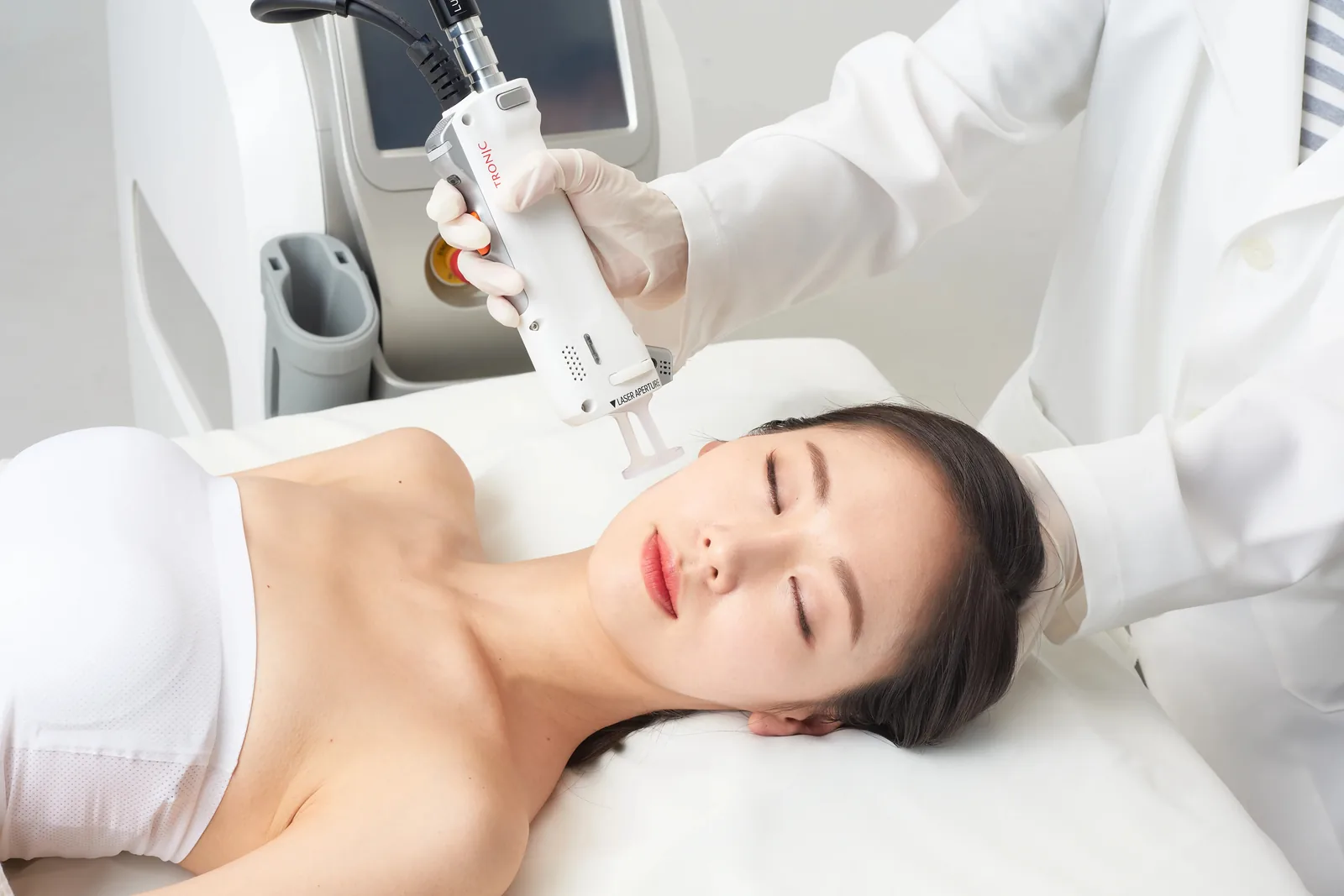
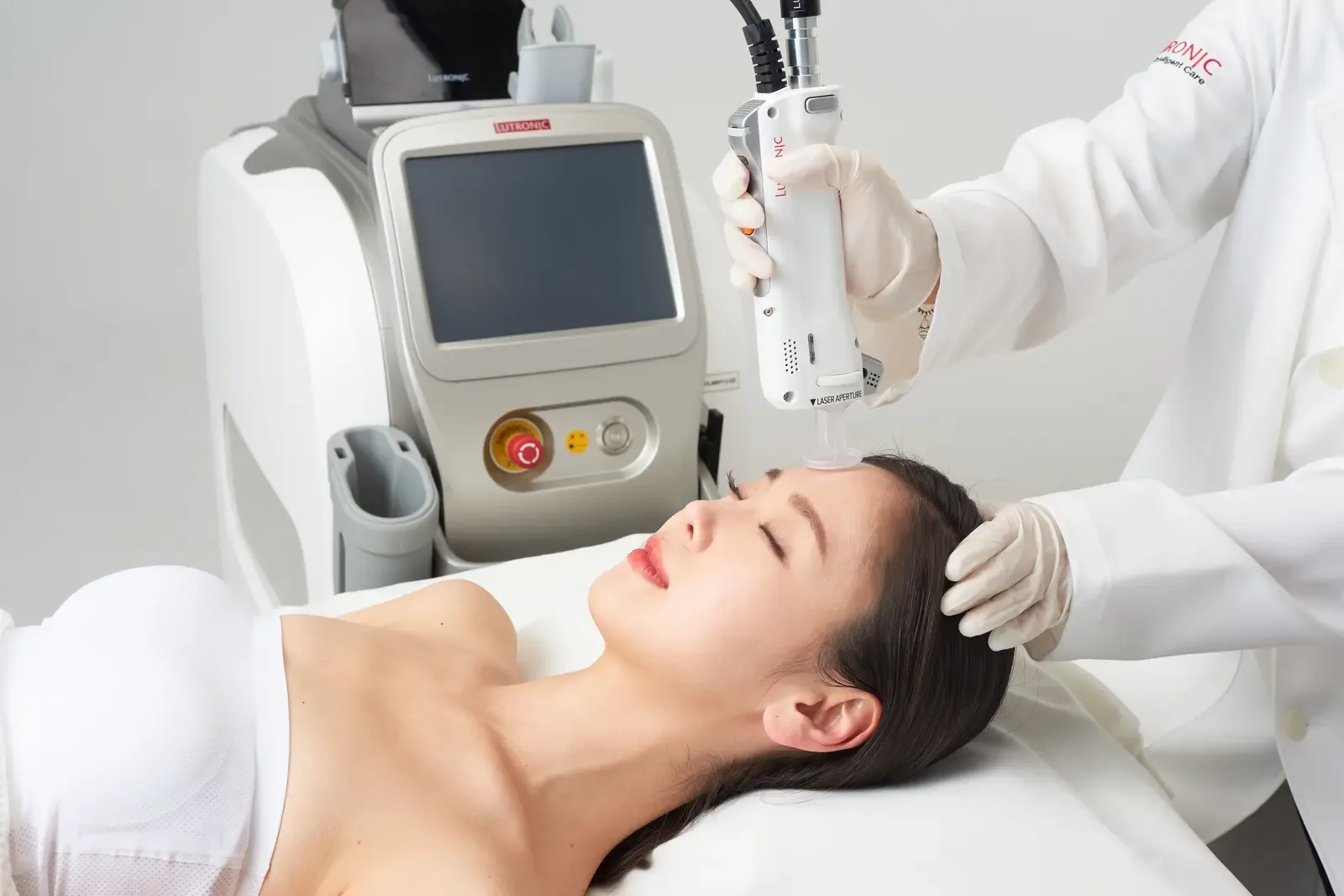
For pigmented skin areas, we personalise the laser parameters. The energy density is chosen more cautiously and the pulse duration is adjusted to protect the skin. Before the actual treatment, we perform test pulses to observe your skin's reaction. If the test pulses are well tolerated, we can proceed with the full treatment.
Communication is important during the session. Tell the treatment team immediately if you feel pain, severe burning or unusual sensations. Our trained specialists watch out for skin reactions and adjust the treatment if needed. The external Cryo cooling ensures extra comfort and skin protection throughout the entire session.
Aftercare for pigmented skin
Intensive care is important after your treatment. Cool the treated areas regularly with cold compresses for the first 24 hours. Use soothing, fragrance-free skincare products specifically designed for sensitive skin. You can find more aftercare recommendations in our detailed guide.
Sun protection is even more important after the treatment than before. Apply sunscreen with SPF 50 or higher to the treated areas daily for at least four weeks. Completely avoid direct sunlight, sunbeds and saunas. UV radiation is the main trigger for post-inflammatory hyperpigmentation after laser treatments.
Avoid anything that further irritates or heats the skin. Skip hot baths, sweaty workouts, and harsh skincare products. Don't scratch or rub the treated areas. If you experience redness, swelling, or unusual reactions, contact your treatment studio immediately.
Treatment areas with special challenges
Depending on the body zone, treating pigmented skin comes with different challenges. Melasma and sun-induced pigmentation spots frequently appear on the face. These areas are highly visible and require the utmost care. For facial treatments, we prefer using the Nd:YAG laser and work with reduced energy levels. The treatment requires a bit more patience, but delivers great results when done correctly.
The intimate area often has natural hyperpigmentation. This darker colouring is completely normal and nothing to worry about. For hair removal when lasering the intimate area, we exclusively use the Nd:YAG laser, which is safe even on darker pigmentation. The treatment is effective and the risk of side effects is low when the right parameters are used.
Underarms and the bikini line often show post-inflammatory pigmentation from shaving, epilating or ingrown hairs. In the underarm and bikini area, repeated shaving irritation is eliminated after hair removal. We do not offer treatments for pigmentation spots themselves. The underarm treatment with the laser is safe when used correctly. Important: Our treatment exclusively targets hair growth. According to NiSV, treating pigmentation spots is reserved for doctors and is not part of our services.
When should you avoid laser hair removal?
You should wait with your treatment if you have active pigmentation disorders in an acute phase. If your pigmentation spots have just appeared or are actively changing, your skin is more sensitive. Let the pigmentation stabilise first before starting laser hair removal. A waiting period of at least three months after acute changes is recommended.
Recent sun exposure or a fresh tan are absolute contraindications. If you've had intense sun exposure, used a sunbed or applied fake tan in the last four weeks, your treatment should be postponed. Tanned skin contains more melanin and reacts more sensitively to the laser energy. The risk of burns and pigmentation changes increases significantly.
Taking photosensitising medication makes laser treatment unsafe. Antibiotics like tetracyclines, retinoids like isotretinoin, or certain blood pressure medications can increase your skin's sensitivity to light. Let your treatment team know about any medication you're taking. In many cases, you can catch up on your treatment after stopping the medication or after a suitable waiting period.
Chances of success and realistic expectations
The effectiveness of hair removal is also very good with pigmentation, provided the right technology is used. The Nd:YAG laser reliably reaches the hair follicles even in darker skin areas. Permanent1 hair reduction is just as successful as with non-pigmented skin. You can look forward to long-term smooth, hair-free skin.
The number of required sessions can be slightly higher for pigmented skin. While six to eight treatments are often enough for lighter skin, heavy pigmentation might require eight to ten sessions. The reason is that we work with lower energy levels to protect the skin. You can find more information about treatment cycles in our FAQ section.
Long-term results are permanent when done correctly1. Once your course of treatments is complete, the hair stays away and doesn't grow back. Because hair no longer grows back, there's no need for shaving and the skin irritation it causes. Investing in professional laser hair removal is also worth it for pigmented skin.
Why choose professional studios with dual-laser technology?
The NiSV certification guarantees that the treatment team is trained to current safety standards. Since 2022, this certification has been legally required for anyone performing laser treatments. At Laserazor, all employees are NiSV-certified and have extensive experience. This qualification is especially important when treating pigmentation spots, as special expertise is required here.
Experience with different skin types and pigmentation makes the difference between a good and an outstanding treatment. At Laserazor, we treat clients with a wide variety of skin conditions every day. We know the specific needs of each skin type and how to perfectly adjust the laser parameters. The Laserazor quality standards are based on state-of-the-art technology and continuous training.
The free trial session gives you the chance to test the treatment without any obligation. You can experience how the treatment feels, how your skin reacts, and clear up any questions in person. This is especially valuable for pigmented skin, as it allows you to check your tolerance. Visit us at our studios in Berlin and München and see for yourself.
Not sure if your skin is suitable?
During your free trial session, we personally check your skin type, treatment area, and laser settings. You'll get an honest assessment with no pressure to buy.