
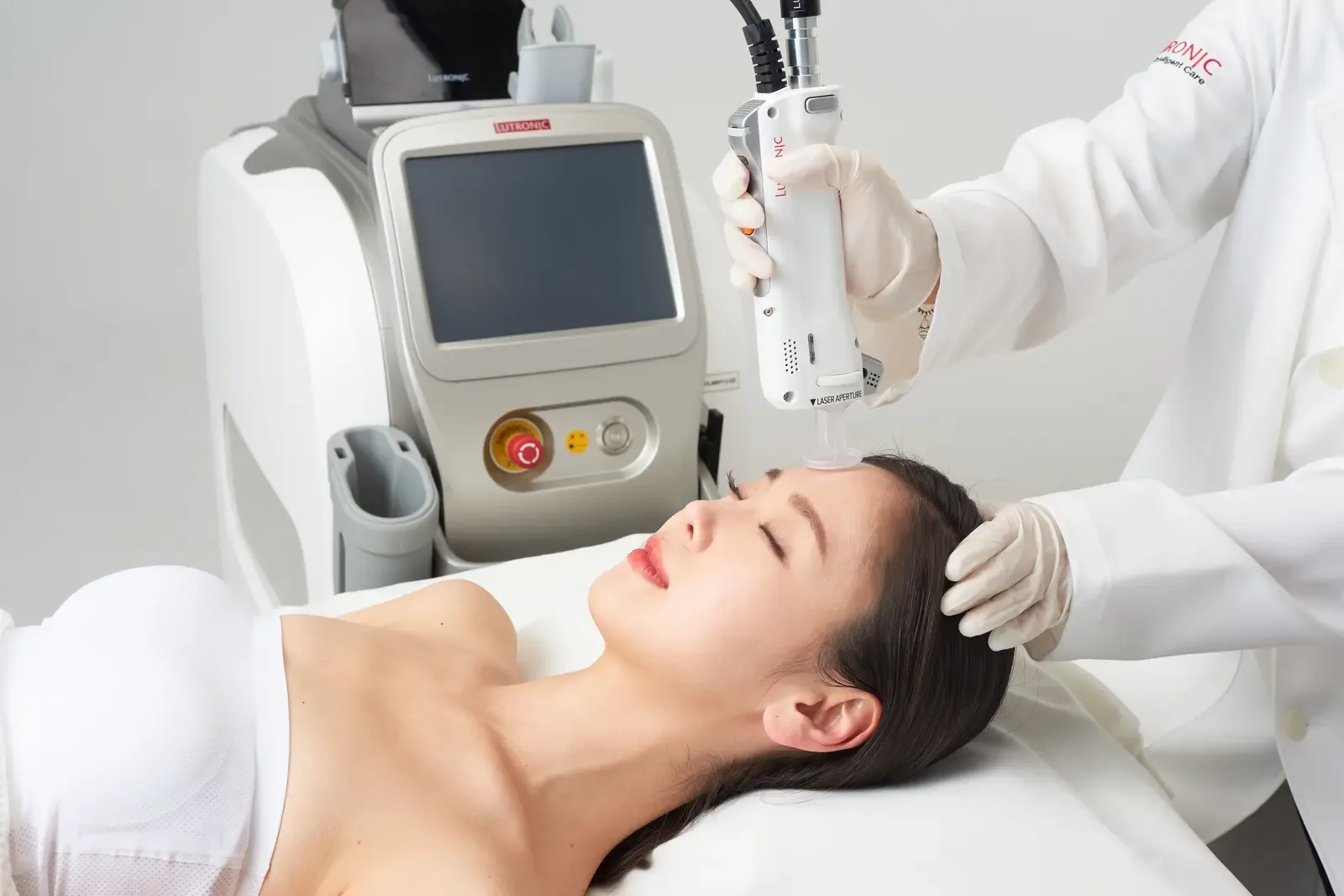


















The short answer.
Right after the session, your skin will be slightly red and warm — that's normal. For the next 48 hours: no hot showers, no sauna, no sweaty sports on the area. SPF 50 for 4 weeks on the treated spot. No peels.
The first 48 hours.
- Cooling: cold gel (e.g. aloe vera) soothes the skin
- No hot showers: only lukewarm
- No sauna, no steam room
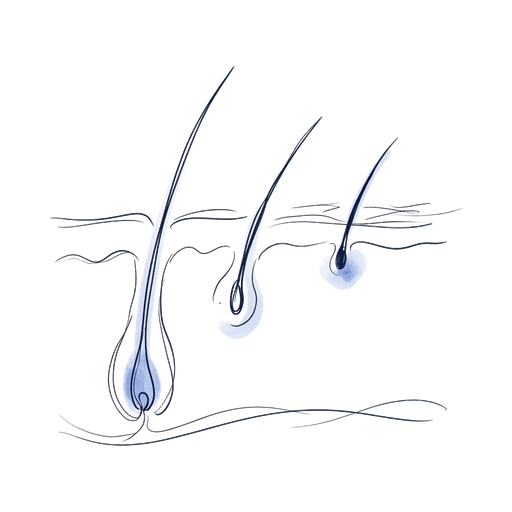
- No exercise on the day — sweat irritates the open follicles
- Loose clothing over the area (to avoid friction)
- Do not rub or scrub the area
The next 2–4 weeks.
- SPF 50 daily on the treated area. Ideally mineral with zinc oxide. This is the most important rule to avoid pigmentation changes.
- No exfoliation (chemical or physical) on the area.
- No waxing, plucking, epilating — shaving is allowed and recommended.
- No retinol, glycolic acid or vitamin C serums directly on the area.
- Gentle care: mild creams, ideally fragrance-free.
What's normal, what isn't?
Normal: slight redness (24–48 h), warmth, small dots around the hair follicles (like "goosebumps"), 1–3 weeks after the session the dead hairs fall out — it looks like regrowth, but it's just shedding.
Please get in touch if you experience: severe blisters, crusting, redness lasting longer than 1 week, severe pain, pigmentation changes. Just call your studio — we'll sort it out together.
Why SPF 50 is so important.
After the treatment, melanin production in your skin is temporarily disrupted. UV radiation can now lead to hyperpigmentation (dark spots) or hypopigmentation (light spots), which take months to fade. SPF 50 significantly lowers this risk.