









The short answer.
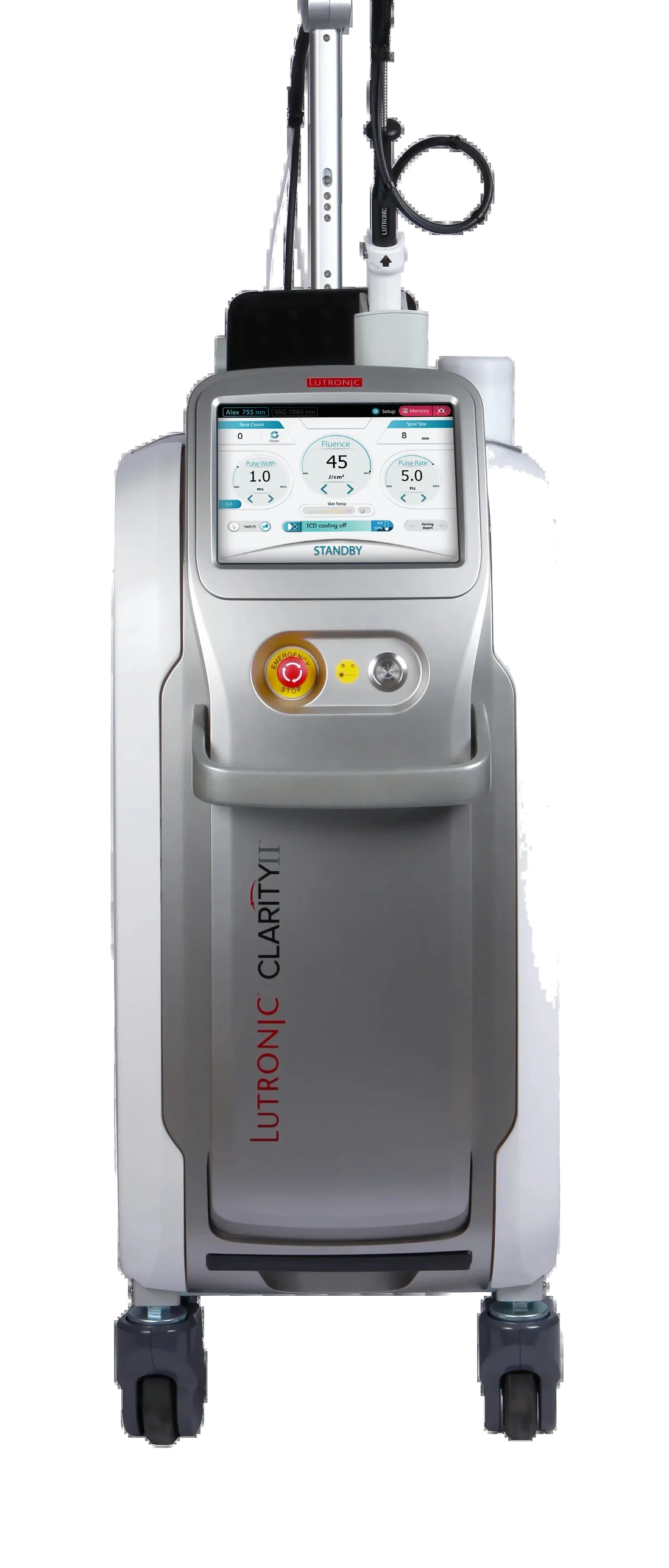
At Laserazor, we treat all Fitzpatrick skin types I–VI — from very fair, Celtic skin to very dark, highly pigmented skin. This is all thanks to our dual-laser: Alexandrit (755 nm) for lighter skin types, and Nd:YAG (1064 nm) for darker ones.
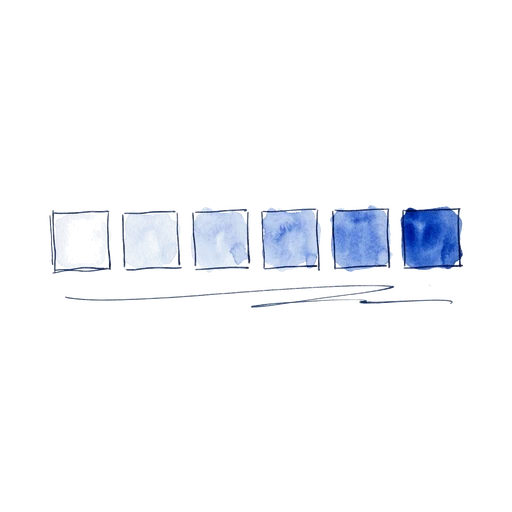
Fitzpatrick scale I–VI.
| Type | Skin tone | Reaction to the sun | Recommended laser |
|---|---|---|---|
| I | very fair, freckles | always burns, never tans | Alexandrite |
| II | light | usually burns, tans minimally | Alexandrite |
| III | Central European | burns easily, tans | Alexandrite |
| IV | Mediterranean, South Asian | rarely burns, tans dark brown | Alex + Nd:YAG |
| V | dark, Arabic/Latin American | rarely burns | Nd:YAG |
| VI | very dark, African | no burns ever | Nd:YAG |
Why Nd:YAG for dark skin?
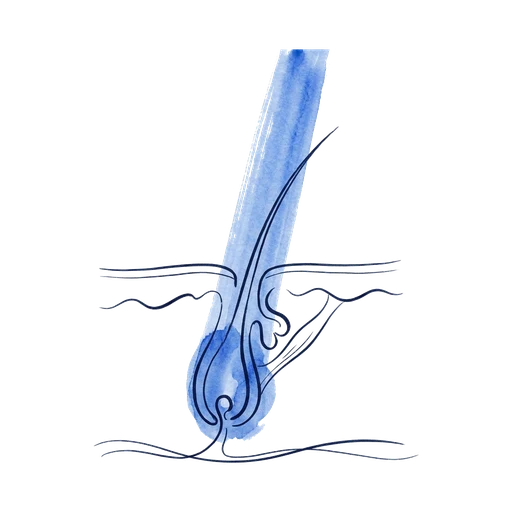
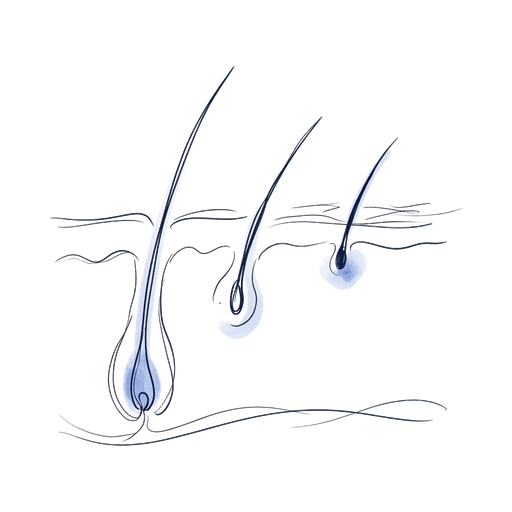
The longer wavelength (1064 nm) penetrates deeper into the skin and bypasses the superficial melanin layer of the skin. This allows it to reach the hair root without heating the skin's melanin — avoiding burns and pigmentation changes.
What if I have a tan?
If you have a fresh tan (sun, sunbed, or fake tan from the last 2 weeks), we'll pause your treatment or use lower energy with the Nd:YAG laser. Rule: 2 weeks without sun beforehand, then it's safe to treat.
Special skin conditions.
- Vitiligo, freckles, moles: Laserazor manually bypasses pigmented spots.
- Tattoos: lasering over tattooed areas isn't possible — margins are avoided.
- Scars & keloids: We generally do not treat over scars, keloids and stretch marks — they are avoided; medical assessment is required.
Dark skin (Fitzpatrick IV–VI): How does laser hair removal work safely?
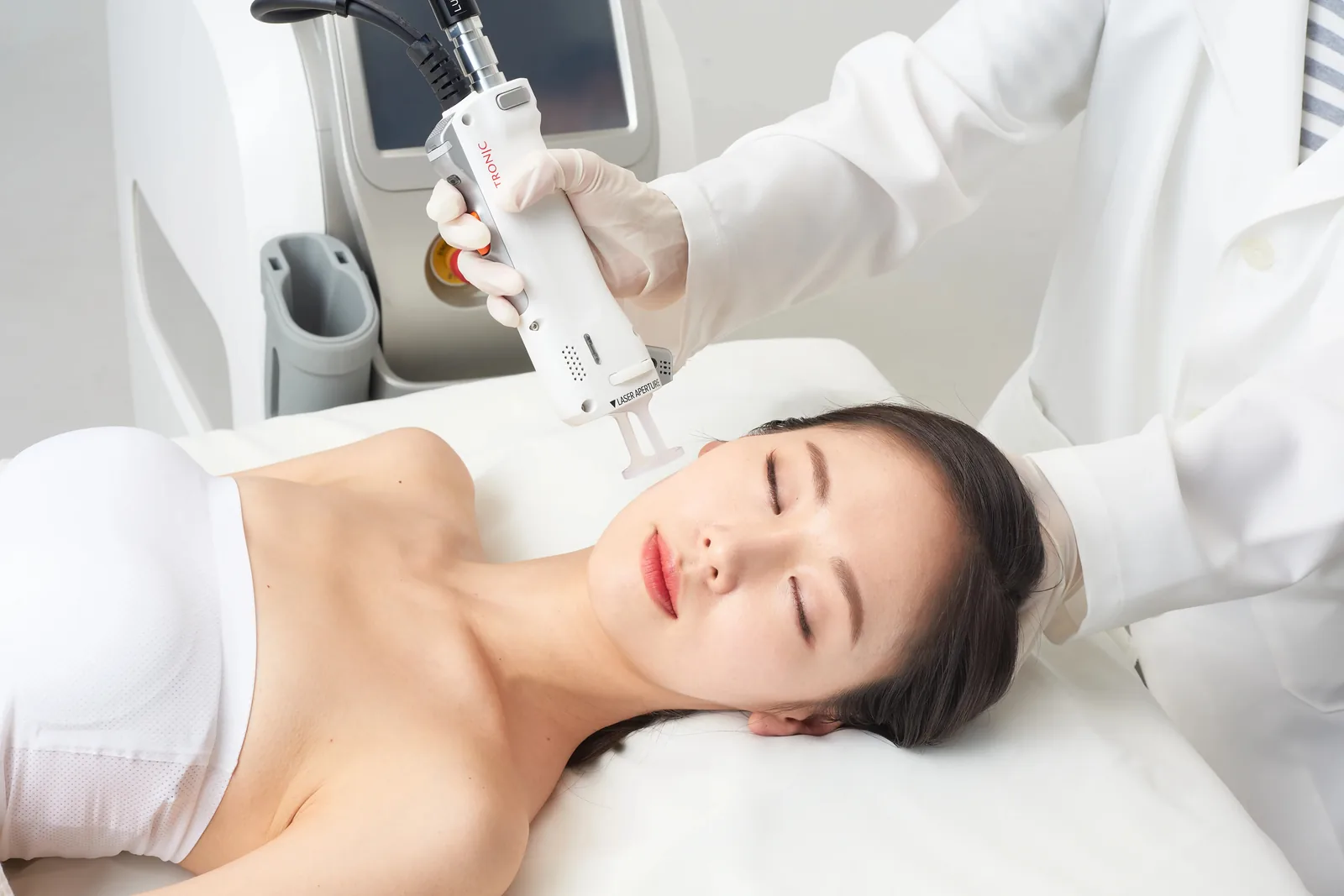
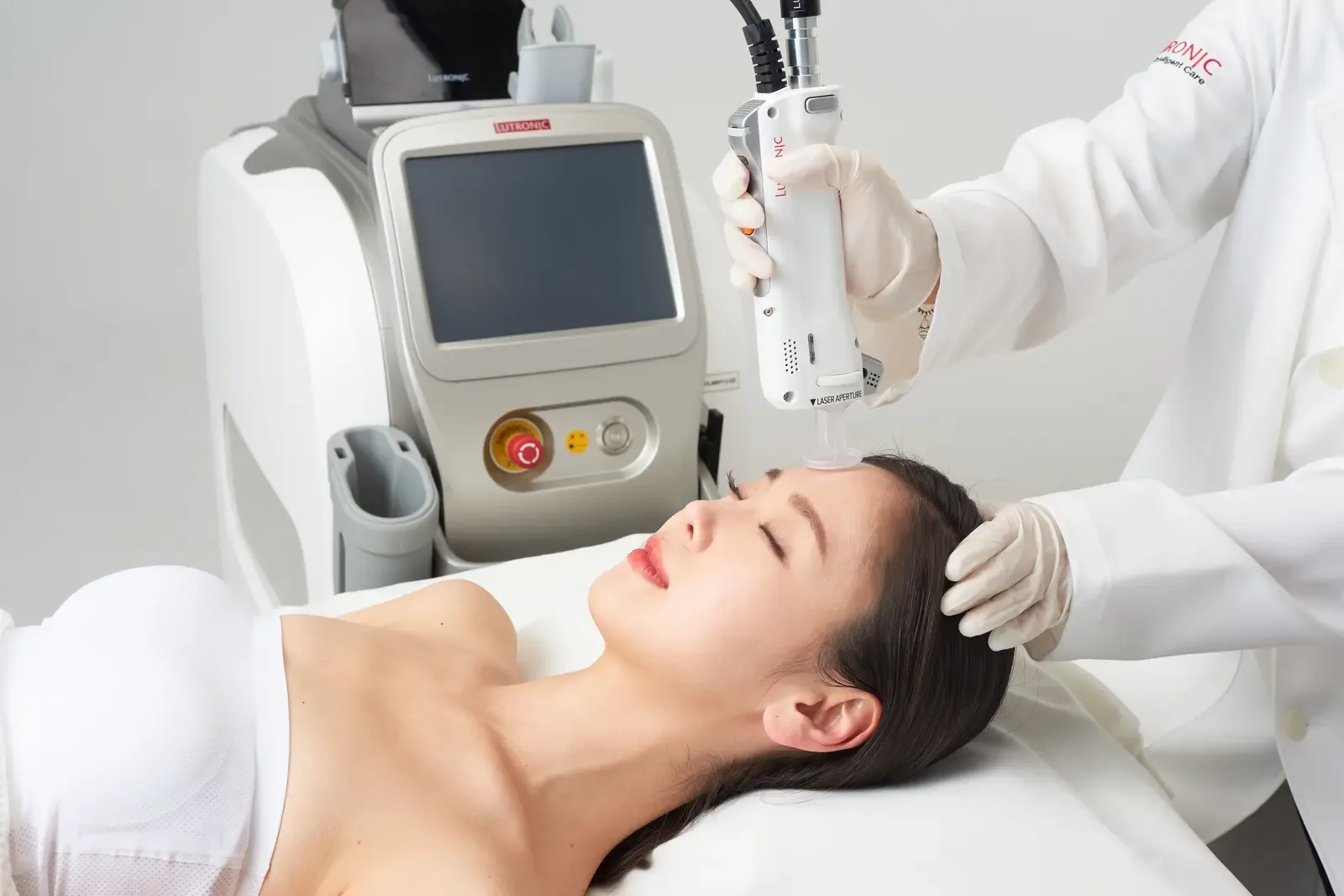
Laser hair removal for dark skin requires special technology that works safely and effectively. The Nd:YAG (1064 nm) is a deeper-penetrating wavelength, safe for dark skin types IV–VI — it largely bypasses the superficial melanin layer of the skin and specifically targets the melanin in the hair follicle. At Laserazor, we use state-of-the-art Nd:YAG technology specifically designed for darker skin types.
Why does dark skin need special laser technology?
Dark skin contains significantly more melanin than light skin. Melanin is the pigment found in both the skin and the hair. Conventional lasers cannot distinguish between the melanin in the skin and the melanin in the hair follicle — which means the energy heats up not just the hair, but also the surrounding skin. For people with higher melanin levels, this can lead to burns, pigmentation changes or permanent skin damage.
With light skin types, the contrast between skin and hair is greater, making it easier for the laser to detect the target. Dark skin doesn't offer this contrast, which is why older laser technologies like Alexandrit or IPL are often too unsafe. Unsuitable technology can not only be painful but also leave long-term discolouration or scars.
Risks of using the wrong technology
- Hyperpigmentation — dark spots on the skin that can be left behind.
- Hypopigmentation — light spots that can remain permanently.
- 1st–2nd degree burns if the energy is set too high.
These risks show how important the choice of the right technology and the practitioner's experience are.
Nd:YAG laser: The safe choice for darker skin types
The Nd:YAG laser works with 1064 nanometres — significantly longer than other systems. This wavelength penetrates deeper into the skin and is absorbed less by the melanin on the skin's surface. This allows the energy to target the hair follicle directly while protecting the surrounding skin. The Nd:YAG laser is considered the gold standard for skin types IV to VI on the Fitzpatrick scale. At Laserazor, we also use external Cryo cooling, which makes the treatment more comfortable and minimises the risk of skin reactions.
Why Nd:YAG is better than Alexandrit or diode (for dark skin)
Alexandrit lasers (755 nm) are ideal for light to medium skin types. However, for dark skin, the risk of pigmentation issues is too high. Diode lasers (800–810 nm) sit in the middle range and can be used on some darker skin types with careful application. The Nd:YAG laser outperforms both systems in terms of safety and is suitable for all skin types. Which laser suits your skin type — for dark skin, the choice is clear.
Treatment process with Nd:YAG at Laserazor
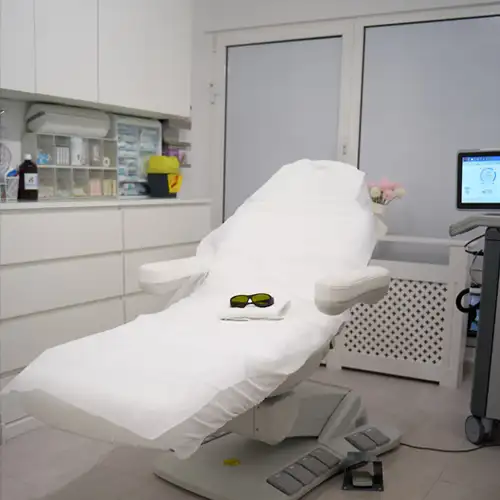
Before your first treatment, we'll have a detailed consultation to determine your skin type and create a personalised treatment plan. During the treatment, the laser is guided precisely over the skin, with every pulse accompanied by Cryo cooling. Most people describe the feeling as a slight tingling or pinching, which is much more comfortable than older technologies. A session for smaller areas like the underarms takes 15–20 minutes, while larger areas like the legs or back take 45–60 minutes.
How many sessions are needed for dark skin?
On average, 8 to 12 sessions are required to achieve permanent1 visible results. For darker skin, the treatment might take a bit longer because the energy settings are kept more conservative — for maximum safety. There should be 4 to 8 weeks between sessions, depending on the zone.
Long-term results and touch-ups
Once your course of treatments is complete, most hair is permanently removed. In some cases, individual hairs might grow back, which can be treated with top-up sessions every 6 to 12 months. At Laserazor, we offer flat-rate models from 99 Euro a month that also cover top-ups and give you long-term peace of mind.
What should you look for when choosing a studio?
Not every studio has the right technology or experience for dark skin. Make sure the studio uses Nd:YAG lasers and has NiSV certification (MPAV §5) — the Non-Ionising Radiation Protection Ordinance, a legal requirement since 2021. CE marking on the devices is also important. Experience with different skin types is crucial. At Laserazor, we only employ certified specialists with experience across all skin types — find out more about our team.
Claim your free trial
Many people with dark skin are initially sceptical about whether the treatment will work for them. At Laserazor, we offer a free trial session for new clients. This lets you experience the technology for yourself and see how your skin reacts before committing to a full series of treatments.
Preparation and aftercare for optimal results.
Avoid direct sunlight and sunbeds for 4 weeks before your treatment, as tanned skin increases the risk of pigmentation changes. Shave the treatment area the day before your session; avoid waxing, plucking, or epilating. Stop using products containing retinol or acids in the days leading up to your treatment. Let the studio know about any medication you're taking. After the treatment, care for your skin with a mild, fragrance-free lotion.
Sun protection is crucial
Use a broad-spectrum sunscreen with at least SPF 30 (ideally SPF 50+) after every session and reapply it every 2 to 3 hours. Avoid direct sunlight on the treatment area for at least 2 weeks. These steps protect the treated skin and prevent pigmentation changes.
PCOS and hirsutism on dark skin.
PCOS (Polycystic Ovary Syndrome): a hormonal disorder that can cause increased hair growth in women. For darker skin types with PCOS or hirsutism and hypertrichosis, laser treatment with Nd:YAG is particularly effective, as the hair is usually dark and thick — ideal candidates for the technology. Extra sessions or regular top-ups might be needed here, but the follicles already treated remain permanently inactive.
Bottom line: laser hair removal for dark skin is safe and effective.
Modern Nd:YAG technology makes permanent laser hair removal safe and effective for dark skin. The right wavelength, professional application, and customised treatment are crucial here. In our studios in Berlin, München and Augsburg, we are by your side with our expertise. Book your free trial session and experience for yourself how effective and comfortable a treatment with the Nd:YAG laser can be.