















Can you really get laser hair removal in the summer?
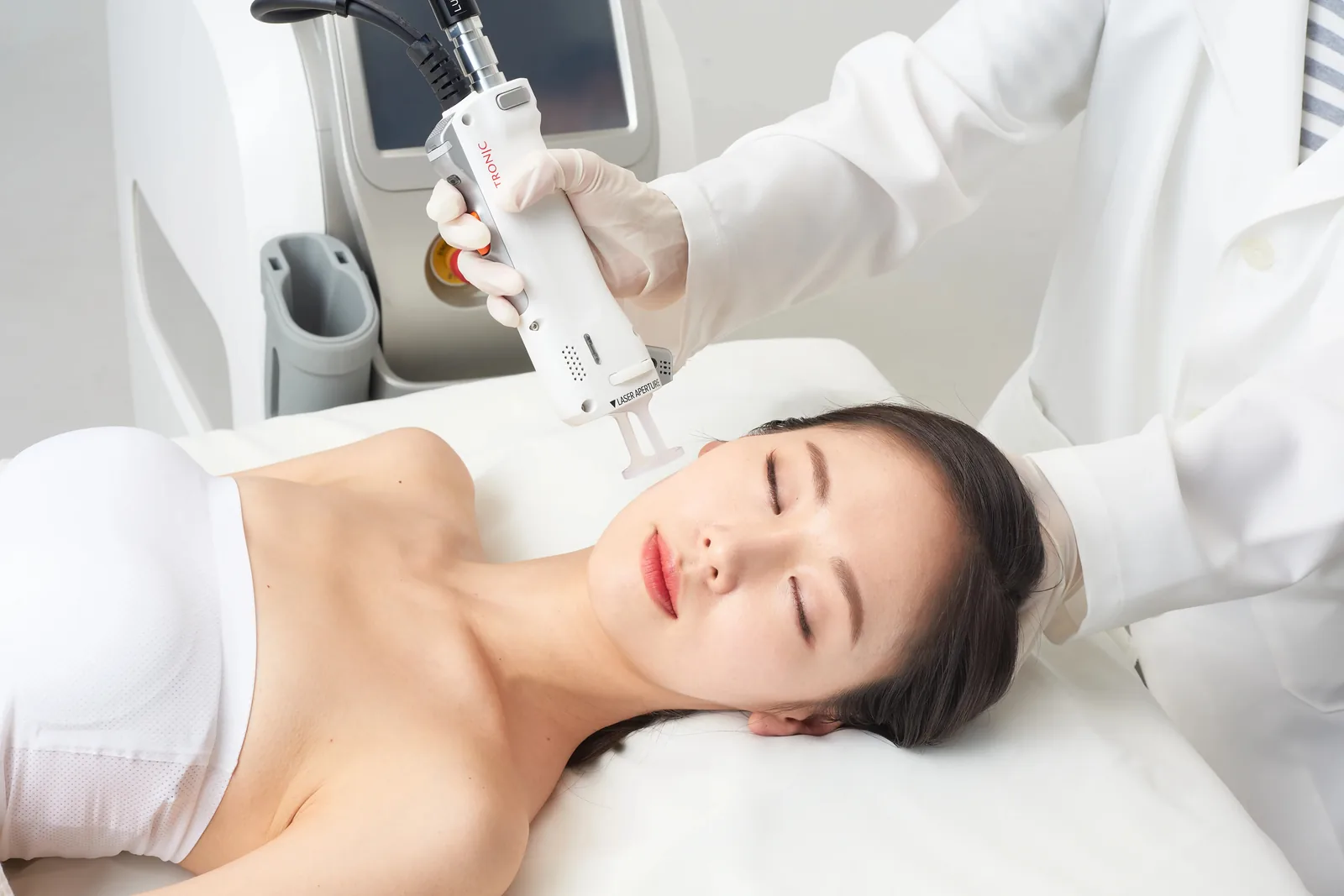
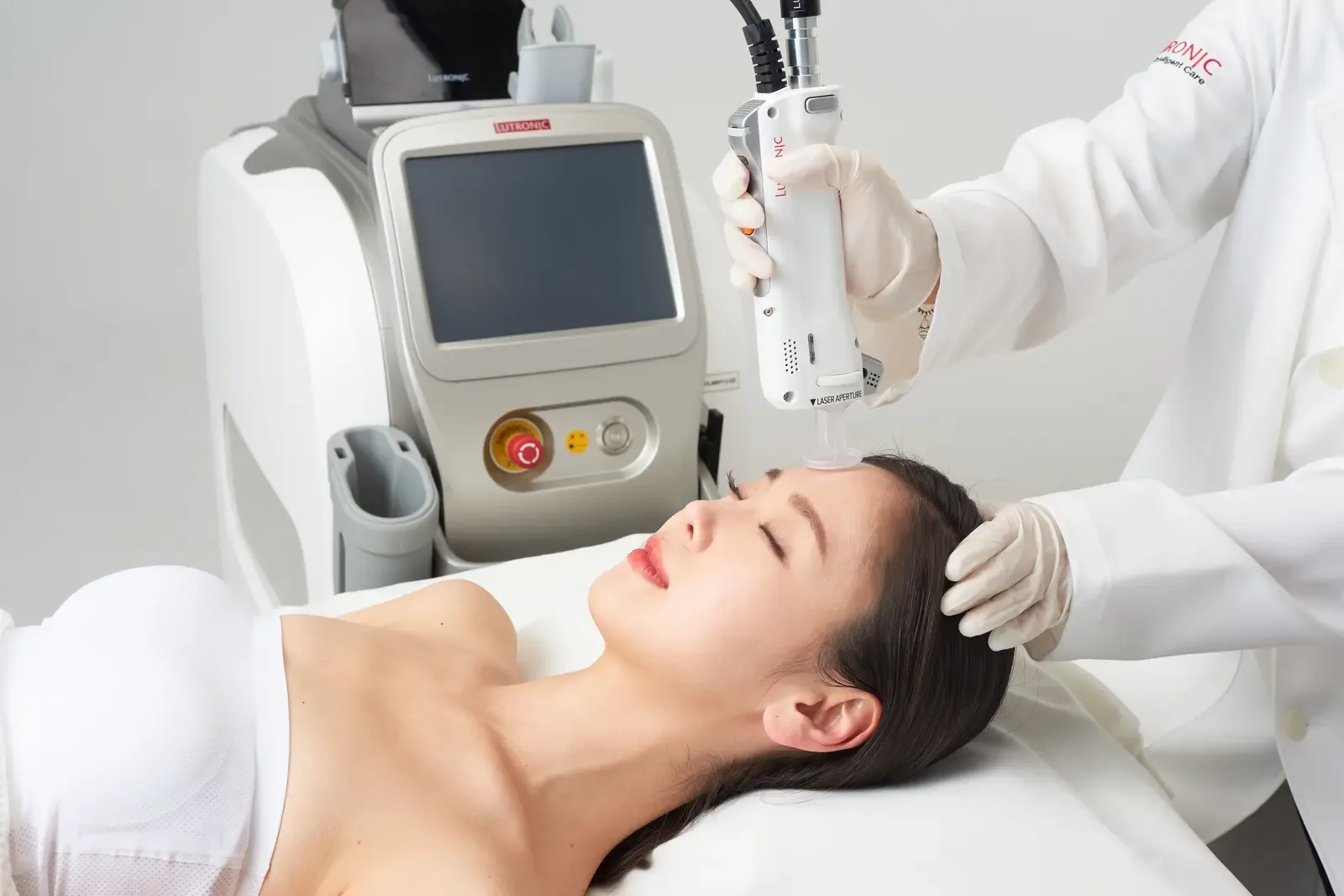
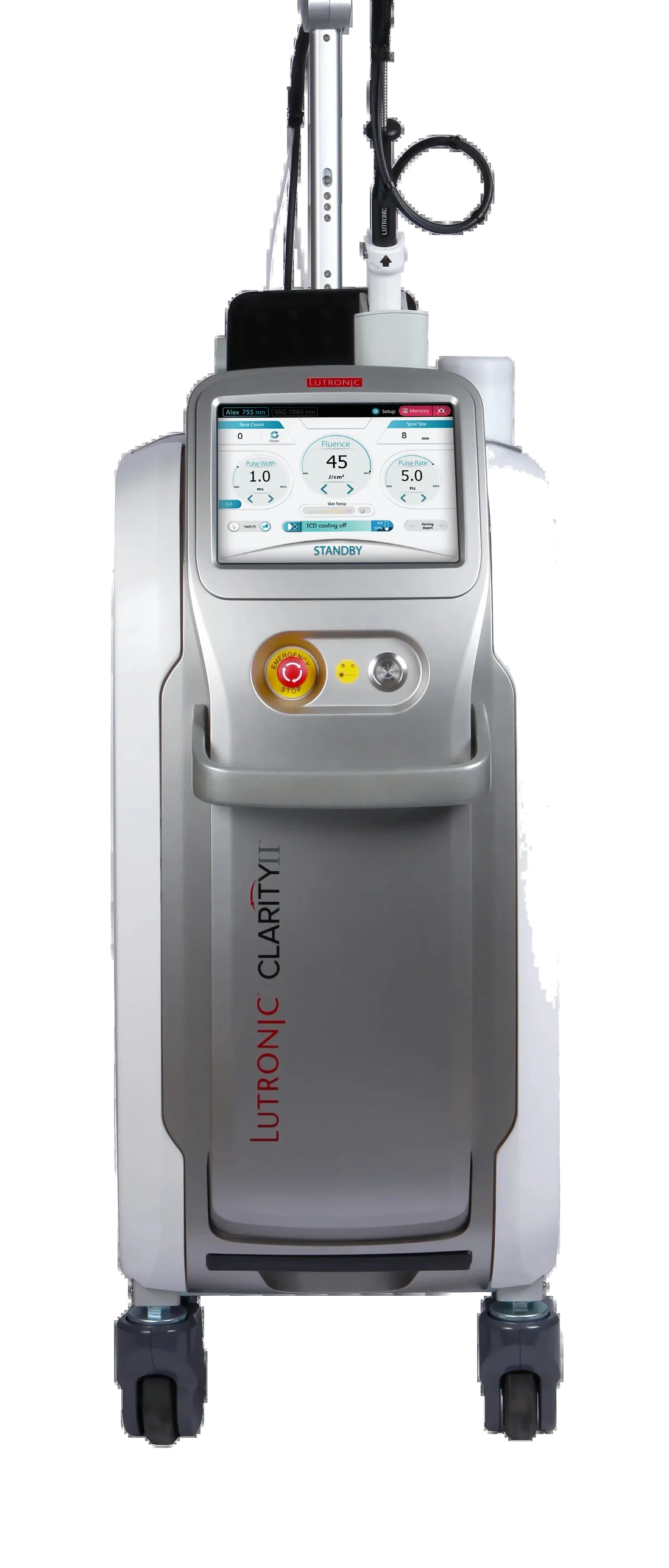
Yes — if you follow a few important rules. The deciding factor is the condition of your skin: untanned or only slightly tanned skin can be treated without any problems. For heavier tans, the laser technology must be adjusted or the treatment briefly postponed. Modern studios like Laserazor use both Alexandrit (755 nm) and Nd:YAG lasers (1064 nm) — both optimised for different skin types.
Just back from a beach holiday? Wait 2–4 weeks until your tan has faded. Lighter skin types generally tolerate summer treatments better — darker or tanned skin needs special settings and often the Nd:YAG laser, which penetrates deeper and minimises pigment changes.
Why sun protection is the most important factor
UV radiation increases the melanin in the skin — and melanin is exactly what the laser targets. The result: unprotected summer skin can react to the laser energy with burns, blistering, hyperpigmentation (dark spots) or hypopigmentation (light spots).
These risks can be almost completely avoided with consistent sun protection. After sunbathing or sunbed use: wait 2–4 weeks. For an intense holiday tan: wait 4–8 weeks. Sunbeds are particularly problematic as they tan the skin more heavily and unevenly than natural sunlight.
How long to avoid the sun before treatment?
Rule of thumb: the more intense the sun exposure, the longer the wait. A weekend at the lake requires less of a break than two weeks in the Mediterranean. Alternatively, many clients deliberately start their treatment course in autumn/winter so they can already see clear results by the next swimming season. We're happy to discuss the details during your free trial session with skin analysis.
Sun protection after the treatment
After every laser session: apply at least SPF 50+ to all treated zones — apply generously and reapply every 2 hours. Water-resistant formulas are especially handy in summer. The increased sensitivity to light lasts for 2–4 weeks after each session. During this time: avoid direct sun, seek shade, wear protective clothing. Up to 80 % of UV radiation penetrates the cloud cover even on cloudy days.
Which body zones are particularly suitable in summer?
In summer, sun-protected zones are ideal:
- Intimate area — naturally protected by clothing.
- Underarms — also no sun protection issues.
- Buttocks crease, back of the neck under the hair, stomach — hassle-free in summer.
The intimate area treatment is especially popular in summer — less shaving, more hygiene.
For sun-exposed zones like legs, arms or face, you need a strategy: plan your treatments so you don't have any extended outdoor activities in short clothing for the following 2 weeks. Alternatively: treat less exposed zones in summer, and legs + arms in autumn.
Optimal preparation for your summer treatment
- 2 weeks before: no fake tan — the chemical reaction changes the surface skin colour and affects the laser energy.
- 2 weeks before: no chemical peels, no retinol, no fruit acids. Mechanical peels are also off-limits.
- Skincare: mild, fragrance-free moisturisers. Well-hydrated skin reacts better to the laser and recovers faster.
- 24 hours before: shave the area (no waxing, no epilating).
- On the day of treatment: no creams, no deodorants, no make-up on treated zones.
Skincare between treatments
Moisture is the most important factor. Well-nourished skin regenerates faster. Hyaluronic acid and aloe vera are ideal — they hydrate without clogging your pores. For the first few days after each session, avoid: alcohol, fragrances, harsh acids. Cooling products (aloe vera gel from the fridge, cooling gel masks) soothe mild redness. No ice cubes directly on the skin — extreme cold can be counterproductive.
External Cryo cooling — the summer comfort factor
During the warmer months, your body temperature is already elevated — extra heat from the laser would feel more uncomfortable. Our external Cryo cooling cools the skin's surface to around 5 °C immediately before, during and after each laser pulse. This significantly reduces any pain and protects the upper layers of your skin from excessive heat.
Find out more in the guide on low-pain laser hair removal. The cooling also has an anti-inflammatory effect — redness fades faster.
Planning treatment intervals in summer
Two simple rules:
- Before a beach holiday: leave at least 2 weeks between your session and departure — to ensure skin regeneration.
- After a beach holiday: wait at least 2 weeks until your tan has faded — only then book a session.
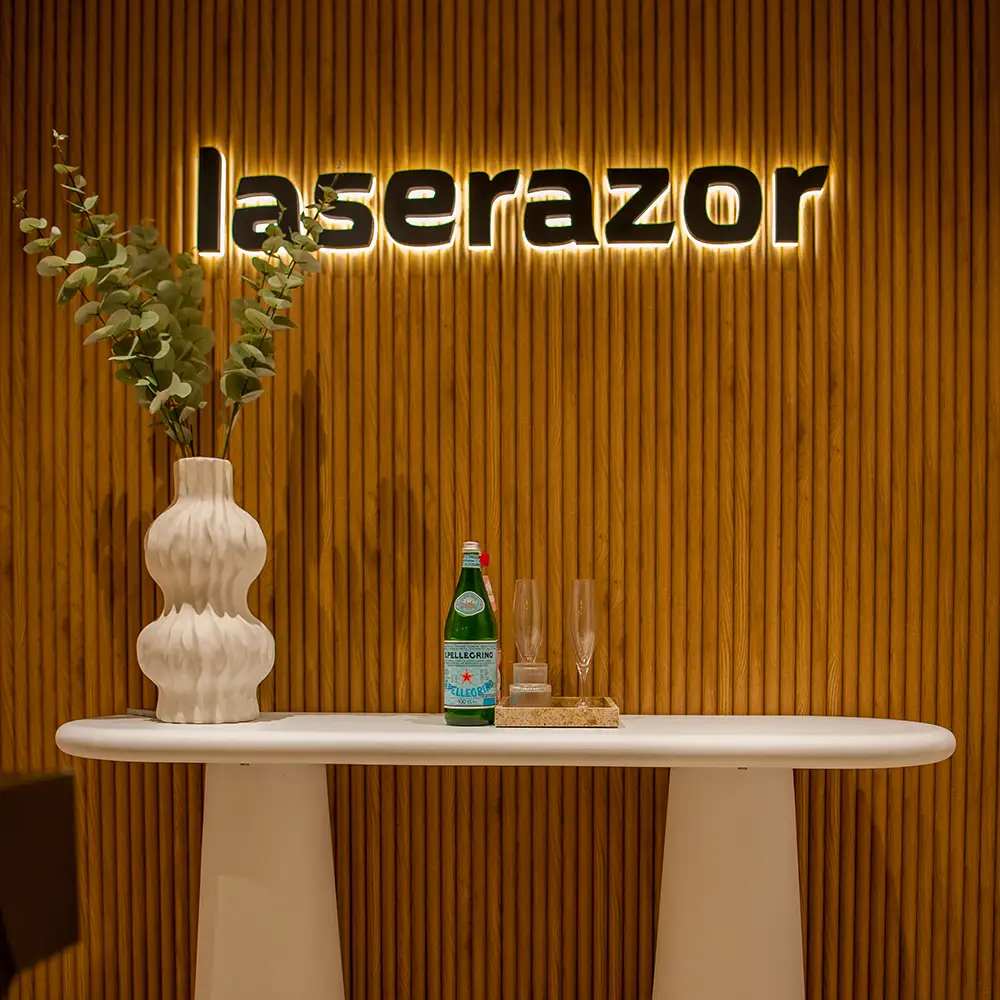
The flexibility of our six studios in Berlin-Charlottenburg, Berlin Danckelmannstraße, München-Haidhausen and Augsburg makes scheduling appointments easy, especially in summer.
Laser flat rate for continuous summer care
The laser flat rate from 99 €/month is especially attractive in summer: a fixed monthly amount, unlimited sessions, and multiple zones at the same time. Appointments can be flexibly rescheduled if you have last-minute holiday plans — without any financial drawbacks. You can find all individual prices in our price overview.
Common mistakes you should avoid in summer
- Underestimating everyday UV: even the commute to work, a lunch break outside or sitting on a terrace mean relevant UV exposure. UV-A also penetrates through car windows.
- Not waiting long enough after sunbathing: one week is not enough. At least 2, ideally 4 weeks.
- Skipping sun protection on cloudy days: up to 80 % UV transmission.
- Wrong skincare products: oily textures, strong fragrances, retinol — off-limits for the first few days after each session.
Long-term planning for smooth skin in time for swimsuit season
Ideal starting point: autumn or early winter. With 4–8 weeks between sessions, you'll already have completed 8–12 sessions from October/November to May/June. Most people achieve significant, long-lasting hair reduction1 — find out more in our fact check on permanent hair removal.
Start with the areas that are most important to you or take up the most time in your daily routine — usually legs, underarms, intimate area. Treating multiple areas at the same time is possible. All options: complete area overview.