




- Why is scar tissue unique in laser treatments?
- What types of scars can be treated?
- Acne scars and shaving scars
- Surgical and injury scars
- Alexandrit and Nd:YAG lasers on scar tissue: Which technology is suitable?
- Medical consultation and skin analysis
- Customised energy settings and cooling
- Treatment exclusions and contraindications
- Preparing for laser hair removal on scar tissue
- Treatment process for scars: What to expect?
- Aftercare and healing after your treatment
- Frequently asked questions

Scars can be lasered once they are fully healed
When scar tissue can be lasered, which types of scars are suitable, and how Laserazor proceeds safely with test pulses, Cryo cooling, and dual-laser technology.
Treating scar tissue requires special care. Unlike healthy skin, scar tissue reacts more sensitively to light and heat. That's why Laserazor uses modern Alexandrit and Nd:YAG lasers, which are individually adjusted to your skin type and the texture of the scar. Additionally, the external Cryo cooling ensures a comfortable and gentle treatment. A thorough skin analysis is carried out before every session to rule out risks and achieve optimal results.
Why scar tissue is special in laser treatments?
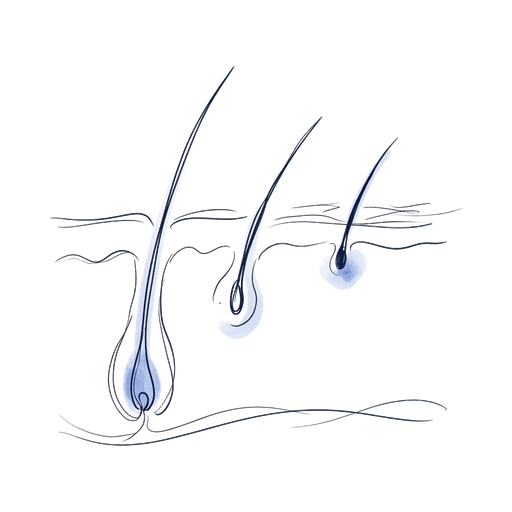
Scar tissue differs significantly in structure from healthy skin. During wound healing, the body forms replacement tissue that is less elastic and has a different composition. The collagen fibres run parallel instead of in a network, making the skin firmer and reducing its blood supply. This altered structure affects how the tissue reacts to laser light. That's why the energy must be precisely adjusted to avoid skin damage.
Scar pigmentation varies greatly. Some scars are lighter, others darker than the surrounding skin. Since the laser targets the melanin in the hair, different pigmentation can affect the treatment. With hyperpigmented scars, there is an increased risk of adverse reactions because more melanin is present. With hypopigmented scars, on the other hand, the treatment can be safer, but still requires careful adjustment of the parameters.
There are different types of scars, and they're treated differently. Hypertrophic scars are raised and thick but stay within the original wound boundaries. Atrophic scars sit below the skin's surface and are often caused by acne or injuries. Keloids grow beyond the wound boundaries and tend to over-scar. If you're prone to keloids, extra caution is needed, as laser treatment can occasionally trigger new growth.
Which types of scars can be treated?
Superficial and healed scars
Fully healed, flat scars are best suited for laser hair removal. The most important requirement is that the scar has matured. This usually means a waiting period of 12 to 18 months after the injury or surgery. During this time, the scar goes through various healing phases where it firms up and takes its final shape. Only then can we safely assess whether a laser treatment is possible.
Flat, pigmented scars can often be treated well. As long as the scar isn't raised and there's no tendency to form keloids, the lasers can be used safely. At Laserazor, we offer a free trial session before your first treatment. This tests how the scar tissue reacts to the laser. That way, potential risks can be identified early on and the treatment adjusted accordingly.
The chances of success are high for superficial scars with even pigmentation. The hair follicles in these areas often function normally, so permanent1 hair removal is just as effective as on healthy skin. It's important that the scar shows no active signs of inflammation and the skin is no longer red or sensitive. Only then can a safe and successful treatment be guaranteed.
Acne scars and shaving scars
Acne scars on the face and body are common cases for treatment. Many people with acne scars also suffer from bothersome hair growth in the affected areas. Hair growth can be specifically reduced in areas with acne scars – saving you from daily shaving and the skin irritation that comes with it. The only requirement is that there are no active acne inflammations. Special safety guidelines apply for acne and problem skin. Important: Our treatment focuses exclusively on hair growth. Under NiSV regulations, treating acne scars themselves is reserved for doctors and is not part of what we offer.
Shaving scars are often caused by ingrown hairs or chronic shaving irritation. Small scars can form from repeated shaving, especially in the intimate area, on the neck, or on the legs. Laser hair removal is often the best solution here, as it eliminates the root cause: hair regrowth. Without hair, there are no more ingrown hairs, and your skin can recover. You can find more information in our guide on treating razor burn and ingrown hairs.
Laser treatment is especially beneficial for areas prone to ingrown hairs. The affected spots are usually small and shallow, meaning the hair growth responds really well to the laser. Because the hair stops growing back, you can say goodbye to ingrown hairs and recurring shaving rash. This saves the area from constant shaving and the mechanical irritation that comes with it.
Surgical scars and injury scars
Surgical scars can be treated as soon as they are fully healed. After surgical procedures, the body needs enough time to recover. In the first few months, the scar is still active and undergoing remodelling processes. A laser treatment during this phase could disrupt healing or lead to complications. That's why the minimum waiting time of 12 to 18 months strictly applies here too.
Extra caution is required for larger surgical scars. The treatment is carried out with reduced energy settings and larger safety margins. First, a small test area is lasered to observe the tissue's reaction. If there is no adverse reaction, the treatment can continue. For very large or problematic scars, Laserazor recommends getting medical clearance beforehand.
Scars from accidents or burns require an individual assessment. Every scar is different and needs to be looked at individually. Factors like the depth of the original injury, the quality of healing, and the location of the scar all play a role. At the Laserazor studios in Berlin and München, our certified specialists take plenty of time for a thorough preliminary examination. This allows us to develop the best treatment strategy for each case.
Alexandrit and Nd:YAG lasers on scar tissue: which technology is best?
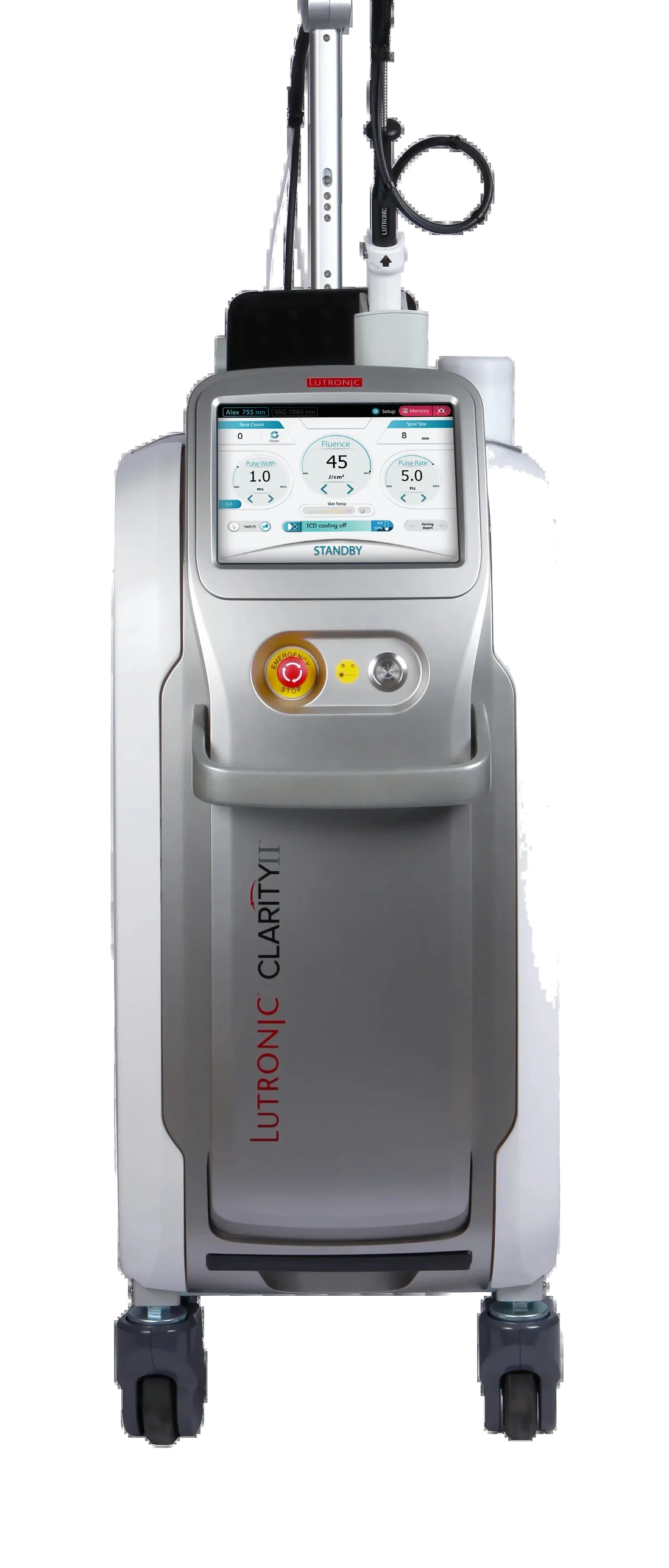
The Alexandrit laser is particularly well-suited for light skin types with scar tissue. It operates at a wavelength of 755 nanometres and is highly effective for people with light skin and dark hair. With scar tissue, it offers the advantage of precisely targeting the melanin in the hair follicle without putting excessive strain on the surrounding tissue. The treatment is fast and generally well-tolerated. You can find more details comparing laser technologies under Alexandrit vs. Nd:YAG.
The Nd:YAG laser is the better choice for darker skin types and heavily pigmented scars. With its wavelength of 1064 nanometres, it penetrates deeper into the skin and bypasses the melanin in the epidermis. This significantly reduces the risk of pigment changes or burns. For people with dark skin or darkly pigmented scars, this laser is often the only safe option. It enables effective hair removal even with difficult skin conditions.
At Laserazor, we use a dual-laser approach. This means both laser technologies are available and chosen based on your skin type and scar characteristics. For some clients, we even switch between lasers during a single session if we're treating different areas of skin. This flexibility ensures maximum safety and the best possible results. You can find more helpful info on choosing the right laser for your skin type here.
At Laserazor, the choice of the right laser is made by certified specialists. They consider not only your skin type but also the type and age of the scar, pigmentation, and your individual needs. This professional assessment is crucial for the success and safety of the treatment. That's why the personal consultation before your first session is so important.
Safety aspects when treating scar tissue
Medical preliminary check and skin analysis
Every treatment on scar tissue starts with a thorough preliminary check. The certified experts at Laserazor will examine the scar closely to see if it's suitable for laser treatment. We assess factors like the age of the scar, its texture, pigmentation, and any potential risk factors. The treatment will only go ahead if all the requirements are met.
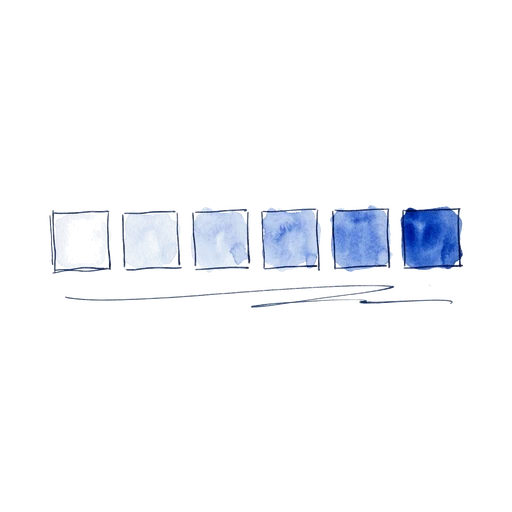
An important part of the initial assessment is skin type classification according to the Fitzpatrick scale. This divides skin types into six categories, from very light to very dark. Your skin type determines which laser is used and what energy intensity can be applied. This assessment is especially important for scar tissue, as the pigmentation often differs from the surrounding skin. More information on the different skin types will help you understand the treatment better.
Laserazor works to the strict standards of NiSV certification. In Germany, the NiSV regulation governs the use of high-energy lasers on humans. All our practitioners are fully trained and certified. Plus, all the devices we use carry the CE mark, ensuring tested quality and safety. These standards guarantee that your treatment is performed at the highest level.
For larger or problematic scars, Laserazor recommends getting a medical opinion beforehand. A dermatologist's assessment is especially valuable for keloids or scars after complex surgeries. This way, potential risks can be ruled out and the treatment can be planned optimally. The safety of our clients always comes first.
Adjusted energy settings and cooling
When treating scar tissue, we work with reduced energy settings. The sensitive tissue can't handle the same intensity as healthy skin. That's why the experts at Laserazor adjust the laser parameters individually. The energy is chosen so that the hair follicles are treated effectively without overloading the scar tissue. This careful approach minimises the risk of side effects.
External Cryo cooling plays a central role when treating sensitive skin areas. During the laser treatment, your skin is actively cooled, which has several benefits. Firstly, the cooling significantly reduces any pain. Secondly, it protects the upper layers of your skin from excessive heat. Thirdly, it soothes the tissue and promotes healing. This gentle treatment technique is especially important for scar tissue. You can find out more about low-pain laser hair removal in our guide.
The combination of adjusted energy and effective cooling makes the treatment well-tolerated even on scar tissue. Thanks to modern technology and Cryo cooling, the treatment is usually less uncomfortable than expected. This is down to the modern technology and the experience of our practitioners. They know exactly how to set the parameters to achieve the best results with maximum safety.
During the treatment, your skin's reaction is constantly monitored. If there's an unusual reaction, the treatment is immediately adjusted or paused. This careful approach is especially important for scar tissue. Every scar reacts differently, and the specialists at Laserazor have the experience to correctly interpret and respond to even the smallest changes.
Treatment exclusions and contraindications
There are clear situations where scars shouldn't be lasered. Fresh scars that aren't yet 12 to 18 months old are strictly excluded. During this phase, the tissue is still active and unstable. Laser treatment could disrupt healing or lead to unwanted changes. That's why patience is key, even if you're really keen on hair removal.
Active inflammations and open wounds are also clear contraindications. As long as your skin isn't completely intact, we can't perform laser treatments. The risk of infections and complications would be too high. If you have any redness, swelling, or pain around the scar area, the treatment must be postponed. We can only start with hair removal once your skin has fully healed and is free from irritation.
Extra care is needed if you're prone to keloids. Keloids are scars that grow beyond the original wound and can spread uncontrollably. If you know you're prone to keloid scarring, you should definitely get medical advice before starting laser treatment. In some cases, we can still go ahead with the treatment, but only with the strictest safety measures and very gentle settings.
Other reasons for exclusion include skin diseases in the treatment area, taking certain medications, or recent sun exposure. All these factors are checked and assessed during the preliminary consultation. Honesty is important here, as it's the only way our specialists can make an informed decision. Safety always comes first, even if it means a treatment has to be postponed or declined.
Preparing for laser hair removal on scar tissue
For larger or prominent scars, you should get medical clearance before treatment. A dermatologist can assess whether the scar is stable enough and if there are any specific risks. This precaution protects you and allows for optimal treatment planning. Bring the medical statement to your initial consultation at Laserazor so our specialists have all the information.
Avoid mechanical hair removal in the scar area in the weeks leading up to your treatment. Waxing, epilating or plucking removes the hair root, which needs to be there for the laser treatment to work. Shaving is allowed and even encouraged, as the hair should be short. However, you should shave carefully right over the scar to avoid injury. You can find more tips on preparation in our FAQ.
Sun protection is especially important in the four weeks leading up to your treatment. Tanned skin contains more melanin, which increases the risk of pigment changes. With scar tissue, which is already sensitive, you should completely avoid direct sunlight and sunbeds. Use a high SPF sunscreen when needed. This ensures your skin is in optimal condition for the laser treatment.
Take advantage of the free trial session at Laserazor to test your skin's tolerance. During this trial session, a small area is treated and the skin's reaction is monitored. This lets you and our specialists see how your scar tissue reacts to the laser. This patch test is especially useful for sensitive tissue and gives you peace of mind before starting the actual treatment.
Treatment process for scars: What to expect?
Every treatment at Laserazor starts with customising the laser parameters. Our certified specialists first examine your skin and the scar, then select the appropriate laser. This takes your skin type, hair texture, and the condition of the scar into account. The energy settings are chosen to ensure an effective treatment with maximum safety.
Before the actual treatment, we'll do some test pulses on the scar tissue. These test pulses help us check how the tissue reacts. If it shows a normal reaction without excessive redness or swelling, we can go ahead with the treatment. If the tissue reacts unusually, we'll adjust the settings immediately. This careful approach is especially important for scar tissue.
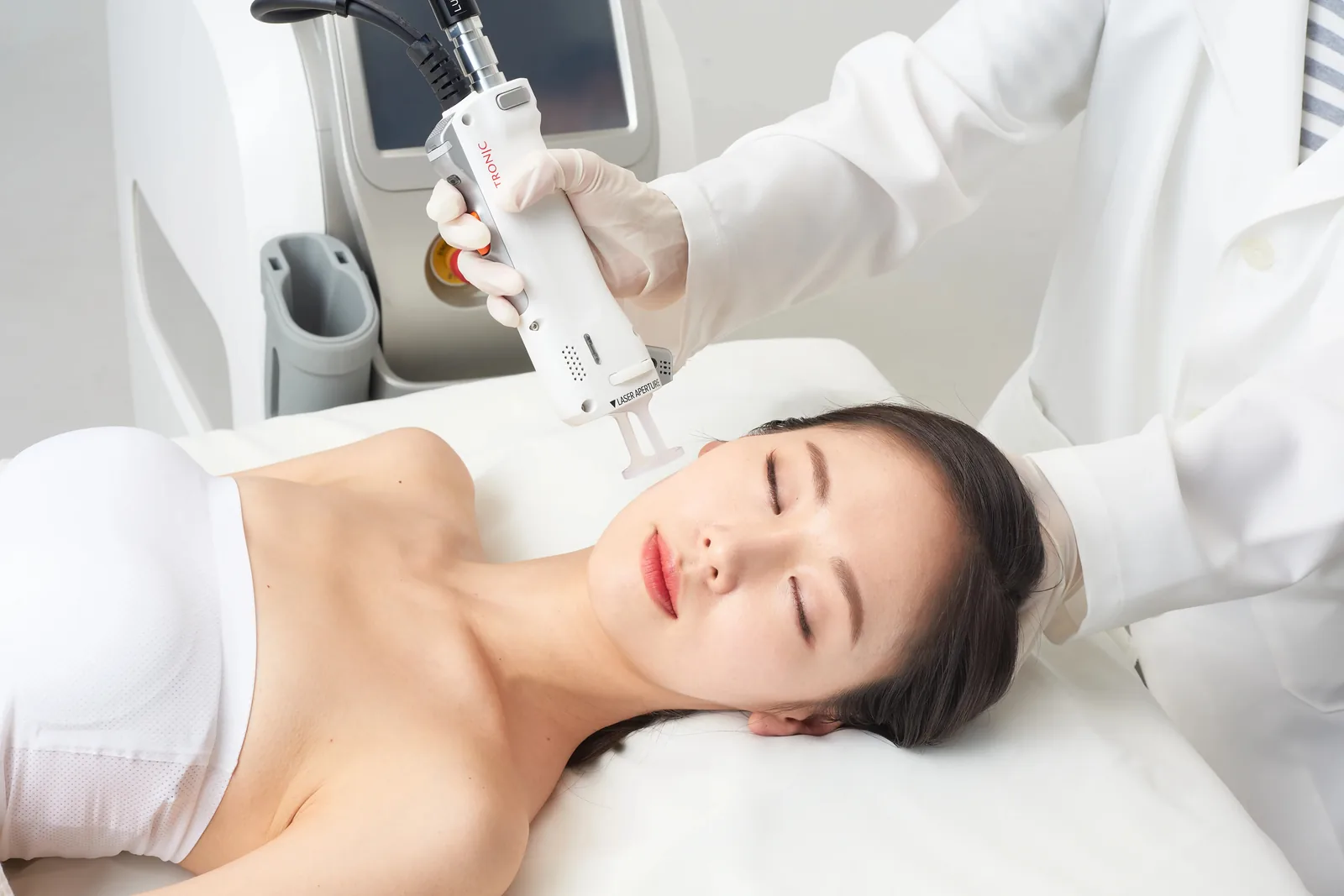
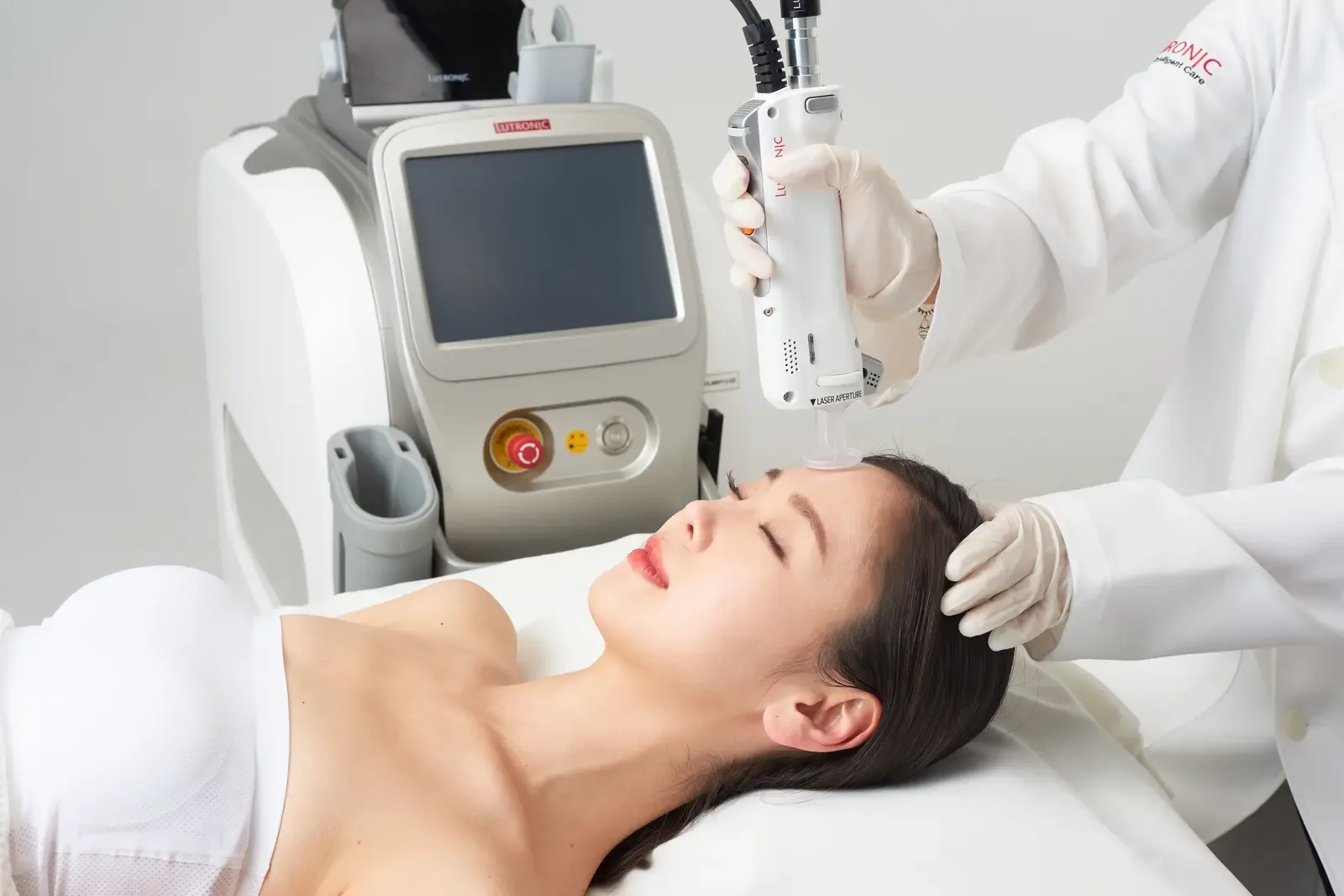
The treatment itself is performed with extra care and a gentle technique. The professionals work more slowly and pay close attention to the skin's reaction. The Cryo cooling runs throughout the entire treatment and ensures comfort. Most clients find the treatment very tolerable. A slight tingling or warm sensation is normal; strong pain should not occur.
The duration and frequency of your sessions depend on the size of the treatment area. For small scars, a session might only take a few minutes. You'll usually need 8 to 12 sessions for the best results, as hair is always in different growth phases. The interval between sessions is mostly 4 to 8 weeks. For scar tissue, this gap can be a bit longer to give your skin enough time to recover. You can find more information on the number of sessions in our FAQ.
Aftercare and healing post-treatment
After laser treatment, scar tissue needs special care. Your skin will be slightly red right after the session and might feel warm. This is a normal reaction and usually fades within hours. It's important not to irritate the skin further in the first few days. Avoid hot showers, saunas, sports and direct sunlight. Further aftercare tips will help you support the healing process.
Cooling measures are a good idea for the first 24 hours after your treatment. You can soothe the treated area with cold compresses or cooling gels. This relieves any redness and swelling. Make sure the products are free from perfume and alcohol so you don't irritate your sensitive skin. Simple aloe vera or special after-sun products work well.
Moisturising skincare supports your skin's regeneration. Use mild, fragrance-free creams or lotions in the days following your treatment. Scar tissue often tends to be dry, so moisturising regularly is important. However, avoid heavy, oily products that could clog your pores. Light, easily absorbed moisturisers are the best choice.
You should definitely avoid mechanical irritation. Wear loose clothing that doesn't rub against the treated area for the first few days after your treatment. Scratching or rubbing the skin is a no-go, even if it itches slightly. If you experience severe redness, swelling, pain, or blistering, please contact the studio immediately. Such reactions are very rare, but if they do occur, it's important to act quickly.
Common treatment areas with scar tissue
Intimate area and bikini line
The intimate area is one of the most common treatment zones with scar tissue. Scars here can result from surgeries like C-sections, gynaecological procedures, or chronic skin issues. Many women suffer from ingrown hairs in the bikini line, which lead to small scars. Laser hair removal is often the best solution here, as it tackles the problem at the root.
The bikini line is particularly sensitive, and scar tissue in this area requires the utmost care. The skin here is thinner and more delicate than on other parts of the body. That's why the specialists at Laserazor work with especially cautious settings. The Cryo cooling ensures that the treatment is well tolerated, even in this sensitive area. For many, the treatment is much more comfortable than constant shaving.
For scars after surgery in the intimate area, the waiting time is especially important. Give the scar plenty of time to heal before starting laser treatment. For larger surgical scars, you should speak to your doctor beforehand. Bring your medical clearance to the initial consultation so we can plan your treatment safely.
Face and beard area
Acne scars on the face are a common reason for laser hair removal. Small, atrophic scars often form from acne, especially around the chin and cheeks. If bothersome hair grows on your face, we can specifically target and reduce it. Treating skin texture or acne scars is not part of our services. Important: Our treatment focuses exclusively on hair growth. Under NiSV regulations, treating acne scars themselves is reserved for doctors and is not part of what we offer.
The beard line for men is another common area with scar tissue. Scars from shaving, injuries or surgery can make beard care difficult here. Laser hair removal allows for precise contouring and removes unwanted hair even from scarred areas. The result is a smooth, neat beard line without annoying stubble.
Facial treatments are particularly demanding because the skin here is so visible. The specialists at Laserazor have extensive experience with facial treatments and know how to safely treat even tricky areas. The gentle technique and individual adjustment of the parameters ensure that the risk of pigment changes or scarring is minimal.
Body areas with surgical scars
After surgery on your chest, stomach or back, scars often remain. If hair grows in these areas, it can be annoying. Laser hair removal offers a permanent1 solution here. It's important that the scars are fully healed and stable before treatment can begin.
For larger surgical scars on the body, a thorough preliminary examination is particularly important. Our specialists examine the scar closely and decide if and how it can be treated. In many cases, treatment is perfectly fine as long as the healing process is complete. The results are often very satisfying, as the hair is permanently1 removed and daily shaving is no longer necessary.
Scars from accidents or surgeries can also appear on your legs. If hair grows in these areas, it often makes normal shaving difficult. Laser hair removal is a practical alternative here. Depending on the size of the area, treating the legs takes about 30 to 60 minutes per session. We work with extra care around scar tissue, which can slightly extend the treatment time.
Costs and pricing models for scar tissue treatment
The cost of laser hair removal on scar tissue is calculated individually. It depends on the size of the treatment area, the location of the scar, and the effort required. At Laserazor, you'll get an exact price quote during your free initial consultation. Our specialists will look at the scar and create a tailored offer for you. You can find more information about the costs in our FAQ.
The flat-rate models, available at Laserazor from 99 Euro a month, are especially attractive. With the laser flat rate, you can have multiple body zones treated without paying for each session individually. This gives you peace of mind when planning and is often cheaper than paying per session. Areas with scar tissue can also be included in the flat rate.
The free initial consultation and trial session at Laserazor is a huge advantage. You can get information without any obligation, get to know the studios and have a trial session. This gives you a feel for the treatment so you can make a decision in your own time. There's no pressure and no hidden costs. Transparency and fair prices are a given at Laserazor.
Invest in a professional treatment that gives you long-lasting results. Compared to years of shaving, waxing or epilating, laser hair removal is often cheaper in the long run. Plus, it's a real boost to your quality of life: no more annoying hair, no skin irritation and beautifully smooth skin. Especially for scar tissue, which is often aggravated by shaving, the permanent1 solution is absolutely worth it.
Laser hair removal with scars in Berlin and München: Laserazor studios
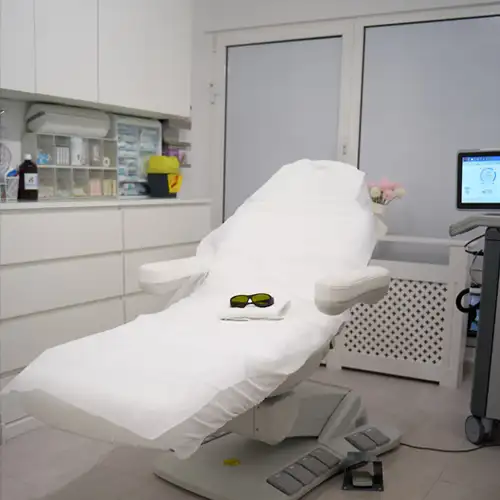
Laserazor operates modern studios in Berlin Charlottenburg, near the Ku'Damm, in München Haidhausen and in Augsburg at the Rathausplatz. All locations are centrally located and easy to reach. The studios are bright, welcoming and equipped with the latest laser technology. You'll feel right at home from the very first moment. You can find an overview of all our locations on the website.
All our studios are staffed exclusively by certified experts with extensive experience. They are trained according to the NiSV regulation and regularly attend further training. Treating scar tissue requires special expertise and a delicate touch. At Laserazor, you can be sure you're in capable hands.
We use state-of-the-art Alexandrit and Nd:YAG dual lasers with CE marking. These devices meet the highest safety standards and ensure precise, effective treatments. The dual-laser technology means we have the right laser for every skin type and scar texture. This way, every treatment is individually optimised.
The personal consultation with experienced practitioners like Adina and her team is another big plus. They take the time for your questions and concerns. The atmosphere is relaxed and trusting. Many clients appreciate the honest, expert advice and love coming back. At Laserazor, you're more than just a customer number.
Not sure if your skin is suitable?
During your free trial session, we personally check your skin type, treatment area, and laser settings. You'll get an honest assessment with no pressure to buy.