


















- What does "permanent" mean in laser hair removal?
- How long results last after a full course of treatments
- Factors affecting how long results last
- Skin type and hair colour
- Hormonal changes
- Treatment area
- Laser technology and equipment quality
- After how many years can hair grow back?
- Maintenance treatments for optimal long-term results
- Lifestyle factors and their impact on long-lasting results
- Comparison: Laser hair removal vs. other methods
- Frequently asked questions

Long-term hair reduction usually lasts for many years
Long-term here means a significant reduction in hair, not necessarily every single hair forever. The guide explains longevity, hormones and touch-ups.
What does "permanent" mean in laser hair removal?
The FDA defines long-term hair removal as a stable reduction in the number of hairs after completing a treatment series. This doesn't necessarily mean a hair will never grow back. Instead, the treated hair follicles are damaged to the point where they produce no hair, or only very fine, barely visible hair. According to scientific standards, an effect is considered long-lasting if the hair reduction remains stable over a period of several years.
Realistic expectations are important: most people experience significant, long-term hair reduction. The treatment destroys active hair follicles, but can't reach dormant ones. These can be activated later, especially during hormonal changes. Results vary depending on the body area, skin type, and individual factors. You can find out more about the effectiveness and science of laser hair removal in our detailed fact check.
Longevity after a full treatment series
Once you've completed all recommended sessions, you can expect long-lasting results that stay for years. Most people need between 6 and 10 sessions for the best results. After this phase, hair growth in the treated area is significantly reduced long-term. The exact number of sessions depends on the treatment area: legs and underarms often respond faster than the face or intimate area.
With Alexandrit and Nd:YAG lasers, results remain stable for years for many people. Even five to ten years after completing the series, many are still happy with their smooth results. This is especially true for people who have completed the full treatment cycle. Information on the number of sessions needed will help you plan your treatment perfectly.
Factors affecting long-term results
Various factors determine how long your results will last. Understanding these influences helps you set realistic expectations and optimise your treatment. Everyone reacts differently to laser treatment, as biological and hormonal processes are highly individual.
Skin type and hair colour
Melanin is the key factor for the effectiveness of the laser treatment. The laser targets the melanin in the hair follicle and converts light energy into heat. Dark hair on light skin offers the strongest contrast and therefore the best results. People with this profile often experience the longest-lasting hair reduction with minimal top-ups.
Light, grey or red hair contains less melanin and is harder to treat. Very dark skin types need special laser technology like the Nd:YAG laser to avoid skin damage. Details on different skin types and suitable laser technology show which solution is best for you. Today, modern dual-laser systems make treatments possible for almost all skin and hair types.
Hormonal changes
Hormones play a central role in hair growth and can affect how long results last. Pregnancy, menopause, thyroid conditions or polycystic ovary syndrome can trigger new hair growth. These hairs grow from previously inactive follicles, not from already treated areas. The difference is important: the treatment was successful, but hormonal fluctuations activate new hair follicles.
Women going through the menopause sometimes notice increased facial hair growth. Men with hormonal imbalances can experience similar effects. In these cases, occasional top-ups make sense. You can find out more about laser hair removal for hormonal changes in our dedicated guide. Medical advice can help identify hormonal causes.
Treated body area
How long it lasts varies significantly depending on the body area. Legs, underarms, and the bikini line often show the most stable long-term results. These areas are less sensitive to hormones and rarely need top-ups once the treatment is finished. Most people stay happy with smooth results there for years.
Face, chest and back are more hormone-sensitive and might need occasional top-ups. The hormonal influence on these areas is stronger. This doesn't mean the treatment isn't working, but rather that your body reacts more sensitively to hormonal fluctuations there. An overview of all available treatment areas shows you what to expect.
Laser technology and equipment quality
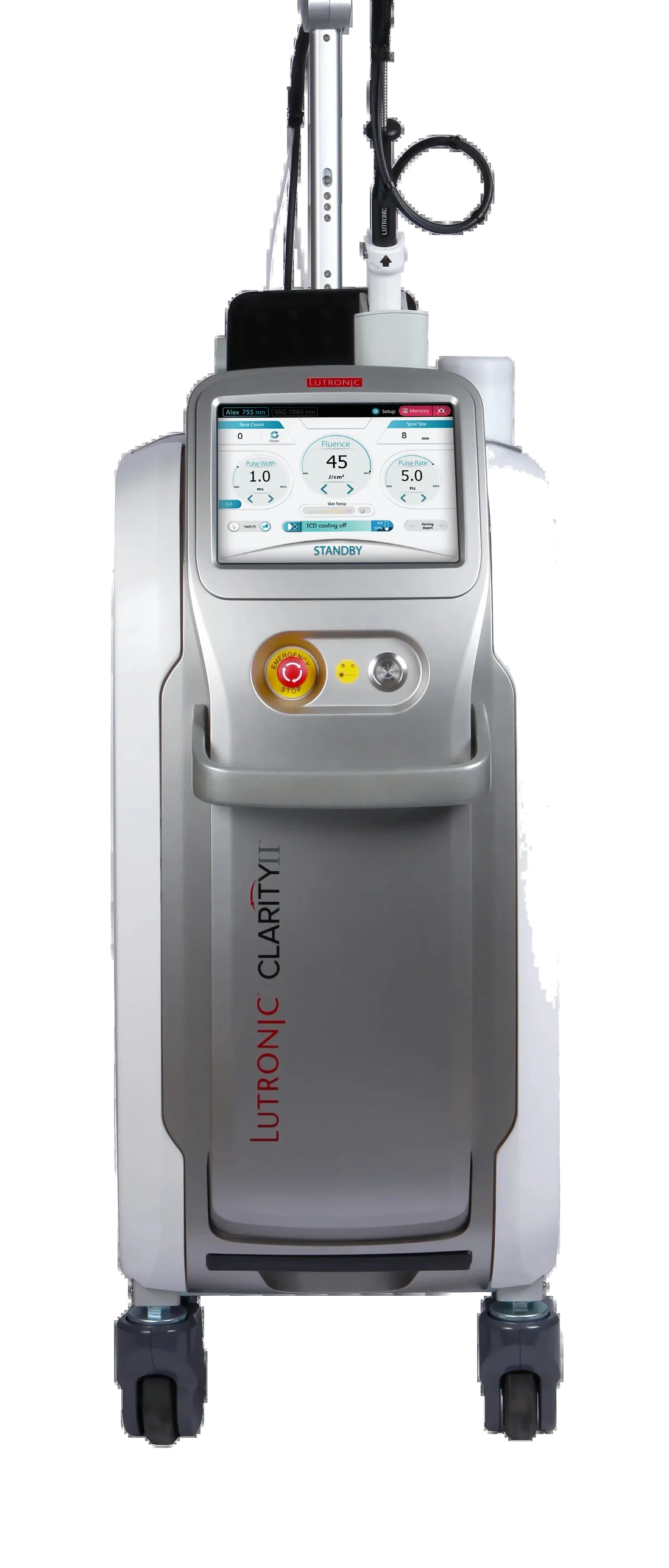
The technology used massively impacts long-term results. Alexandrit lasers are considered the gold standard for light to medium skin types and deliver particularly long-lasting results. Nd:YAG lasers are ideal for darker skin types and are also highly effective. Dual laser systems combine both technologies and offer maximum flexibility.
CE certification and NiSV standards guarantee safety and quality. At Laserazor, we rely on state-of-the-art Alexandrit and Nd:YAG dual lasers with external Cryo cooling. This technology ensures optimal results with maximum comfort. A comparison between Alexandrit and Nd:YAG technology helps you understand the differences. Inferior devices often only deliver temporary results.
After how many years can hair grow back?
A few years after the treatment, a small number of clients notice minimal regrowth. This regrowth is usually finer and lighter than the original hair. Even after a long time, occasional regrowth can occur in hormone-sensitive areas. However, the majority remain happy with significantly reduced hair compared to their starting point.
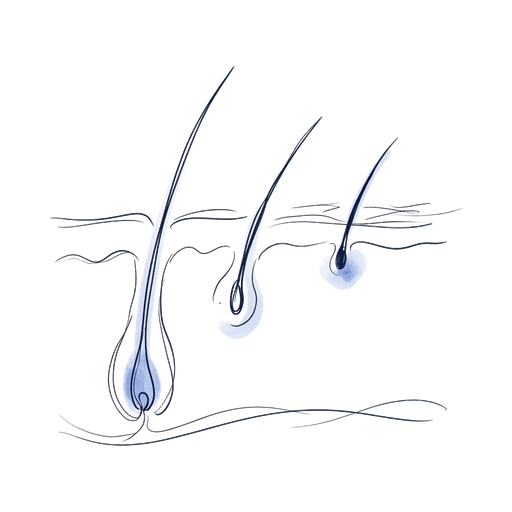
The difference between treated and new follicles is important. Successfully treated follicles remain inactive long-term. Regrowth comes from previously dormant follicles that are activated by hormonal changes or ageing. These new hairs weren't active at the time of the original treatment and therefore couldn't be targeted.
Touch-up treatments are available as needed, usually every 12 to 18 months. Many people only need a session every few years after finishing their course. Even several years after their last session, many are still happy with the results. Occasional touch-ups take very little effort compared to daily shaving or regular waxing.
Maintenance treatments for optimal long-term results
Maintenance treatments secure your long-term results and keep your skin smooth for longer. After completing your main sessions, experts recommend a top-up every 12 to 18 months. The exact interval depends on your skin type, the treated area and hormonal factors. Some people only need a session every two to three years.
The laser flat rate from Laserazor makes long-term care particularly easy and cost-effective. From 99 Euro per month, you can have regular top-ups at no extra cost. This model eliminates financial worries and allows for flexible treatment planning. Compared to single sessions, you save significantly in the long run. Information about the laser flat rate from 99 €/month shows all the benefits in detail.
Occasional maintenance treatments cost significantly less than the initial series. A single top-up every one to two years is minimal compared to a lifetime of waxing or shaving. The investment is worth it for people who value long-lasting smooth skin. Top-ups are usually shorter and less intense than the original sessions.
Lifestyle factors and their impact on how long results last
Certain medications can affect hair growth and therefore how long your results last. Hormone preparations, corticosteroids and some supplements can stimulate new hair growth. Let your studio know about any medication you're taking. We might need to adjust your treatment or schedule extra top-up sessions.
Proper aftercare maximises the effectiveness and longevity of your treatment. Sun protection is especially important: UV rays can damage treated skin and affect your results. Use at least SPF 30 on treated areas. Avoid sunbeds and intense sun exposure for at least four weeks after each session.
Regular skincare supports regeneration and optimises long-term results. Moisturising products without harsh ingredients are ideal. Tips on proper aftercare following your treatment will help you avoid common mistakes. Good skincare also helps your results last longer.
Comparison: Laser hair removal vs. other methods
IPL treatments offer temporary results that usually only last for months to a few years. The technology is less precise and doesn't reach the depth of real laser treatments. Waxing and shaving are purely temporary and require lifelong repetition. The costs add up to considerable amounts over the years.
A cost comparison over ten years shows the superiority of professional laser treatments. Shaving costs an average of 2.000 to 3.000 Euro over ten years when you factor in razors, blades and care products. Waxing can cost 5.000 to 8.000 Euro with regular sessions. A complete laser series with occasional top-ups is often cheaper and offers long-lasting results.
Professional laser technology is superior in the long run when it comes to effectiveness, comfort, and cost-efficiency. You don't just save money, but also time and effort. Your skin stays smoother, without razor burn, ingrown hairs, or the pain of waxing. Find out more about professional laser hair removal in Berlin and München and the benefits of modern studios.
What clients report about long-term results
After a fully completed course of treatments, many people achieve significant, long-term hair reduction. How strong the result is depends on individual factors. For many, this mainly means a noticeable time saving compared to daily shaving.
Realistic expectations play a big role here: if you know that occasional top-ups are normal, you'll usually appreciate the long-term results. On the other hand, expecting to be completely hair-free can lead to disappointment, even if the actual reduction is objectively significant.
Individual factors significantly shape the result. Your skin type, hormone balance, age, and the treated area all affect how long it lasts. With a stable hormone balance, the reduction is often particularly long-lasting, whereas extra sessions can be useful during hormonal transition phases. Open communication with your studio helps to perfectly tailor the treatment.
How to maximise the results of your laser hair removal
Stick to the full treatment cycle, even if you see early results. Each session targets a different part of the hair growth cycle. Interrupted treatment series only provide temporary results. Most people need 8 to 12 sessions for optimal long-term results.
Make sure to attend regular appointments at the recommended intervals. The time between sessions is important to catch different growth phases. Intervals that are too short or too long reduce effectiveness. Your studio plans your appointments based on the science of hair growth.
Choose qualified studios with state-of-the-art technology and experienced staff. CE-certified devices and NiSV-compliant treatments guarantee safety and effectiveness. At Laserazor, we rely on Alexandrit and Nd:YAG dual lasers with external Cryo cooling. Our studios in Berlin, München and Augsburg offer the highest standards.
Customised skin type analysis and tailored laser settings are key to optimal results. Every skin reacts differently to laser energy. Our experienced technicians adjust the intensity, wavelength and pulse duration to suit your needs. Book your free trial session at Laserazor and experience professional advice and state-of-the-art technology.
Not sure if your skin is suitable?
During your free trial session, we personally check your skin type, treatment area, and laser settings. You'll get an honest assessment with no pressure to buy.