








The 4 major laser technologies of 2025 at a glance
Anyone looking for permanent hair removal1 faces a confusing choice of technology: Alexandrit, diode, Nd:YAG, IPL and increasingly combination devices. Yet the choice is crucial — not every laser suits every skin type, and the quality differences between medical devices and cheap clones are huge.
Alexandrit laser (755 nm) — an established technology combination
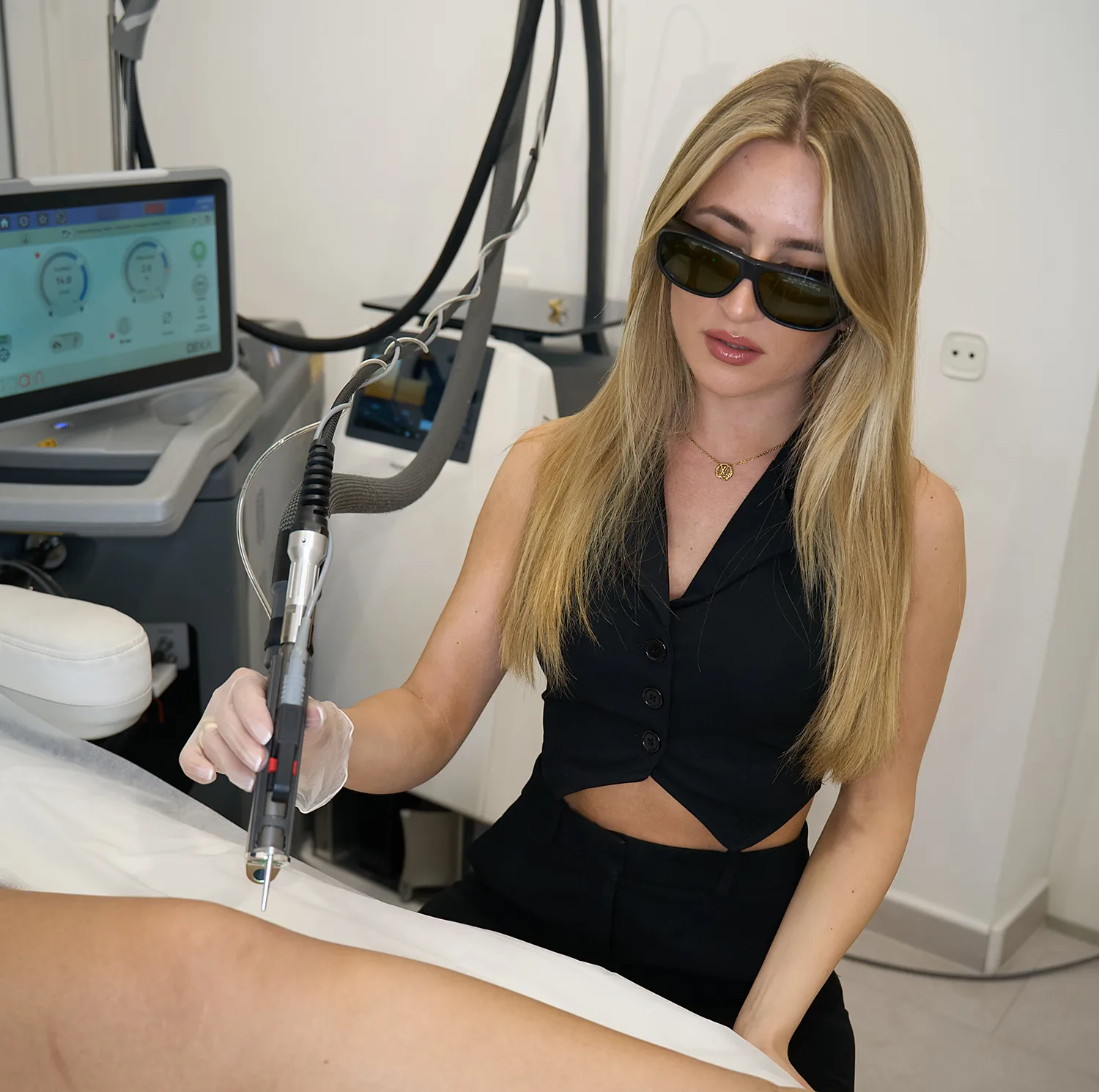
The Alexandrit laser is the most effective technology for light to medium skin types (Fitzpatrick I–III). With a 755 nm wavelength, it penetrates deep enough into the follicle without damaging the skin's surface. The hair melanin absorbs the energy strongly — making it particularly fast and effective on dark hair on light skin.
Benefits of the Alexandrit laser
- Fastest treatment time per area thanks to high repetition rate
- Best results for dark hair on light skin
- Precise treatment spot, minimal skin risk for skin types I–III
- Low energy requirement per pulse
Downsides
- Risk of hyperpigmentation in darker skin types (IV–VI)
- Weaker on very fine, light hair
Nd:YAG laser (1064 nm) — the dark skin option
The Nd:YAG laser operates at 1064 nm and penetrates the skin most deeply. It targets thick, deep-rooted hair well and is safe for darker skin types (IV–VI) because the skin pigments absorb less. Downside: less effective on fine, lighter hair than Alexandrit.
Diode laser — the all-rounder
Diode lasers (800–810 nm) sit in the middle between Alexandrit and Nd:YAG. Highly versatile and widely used in commercial studios. Hair reduction can on average be slightly lower than with highly selective wavelengths like Alexandrit or Nd:YAG — depending on the device, pulse duration and energy density.
IPL — not a laser, but widely used
Strictly speaking, IPL (Intense Pulsed Light) is not a laser, but a broad-spectrum light source. Devices are cheap and available for home use, but the results are significantly weaker and often not permanent.
Direct comparison of technologies
| Technology | Skin type I–III | Skin type IV–VI | Deep follicles | Cost-benefit |
|---|---|---|---|---|
| Alexandrit 755 nm | Ideal | Risk | Good | Top |
| Nd:YAG 1064 nm | Good | Ideal | Optimal | Top |
| Diode 810 nm | OK | OK | OK | Medium |
| IPL | Weak | Unsuitable | Weak | Low |
Which laser for which skin type?
Skin pigmentation determines the choice of laser. At Laserazor, we tailor the technology to you:
Still unsure which laser suits your skin type?
Book a free trial session with us — we'll analyse your skin and hair type and show you exactly what works for you.
Important: The machine alone doesn't guarantee results
The best laser device is useless if the staff aren't trained. In Germany, NiSV certification has been mandatory since 2022. When choosing a studio, make sure all practitioners can prove their qualifications.
What exactly is the NiSV qualification?
The NiSV (Ordinance on Protection against Non-Ionising Radiation) has stipulated since 31.12.2022 that people using laser devices on humans must have completed at least 120 hours (hair removal) or 200+ hours (extended spectrum) of specialist training. The goal: protection against incorrect treatments and skin damage.
At Laserazor, all our practitioners are fully qualified experts — that's our standard, not a luxury.
How do I recognise a reputable studio?
- NiSV certificate visibly displayed
- Skin type analysis before treatment
- Written information and consent
- Medical devices (CE, not just cosmetic grade)
- Transparent prices, no bait-and-switch offers
Bottom line: our recommendation for 2025
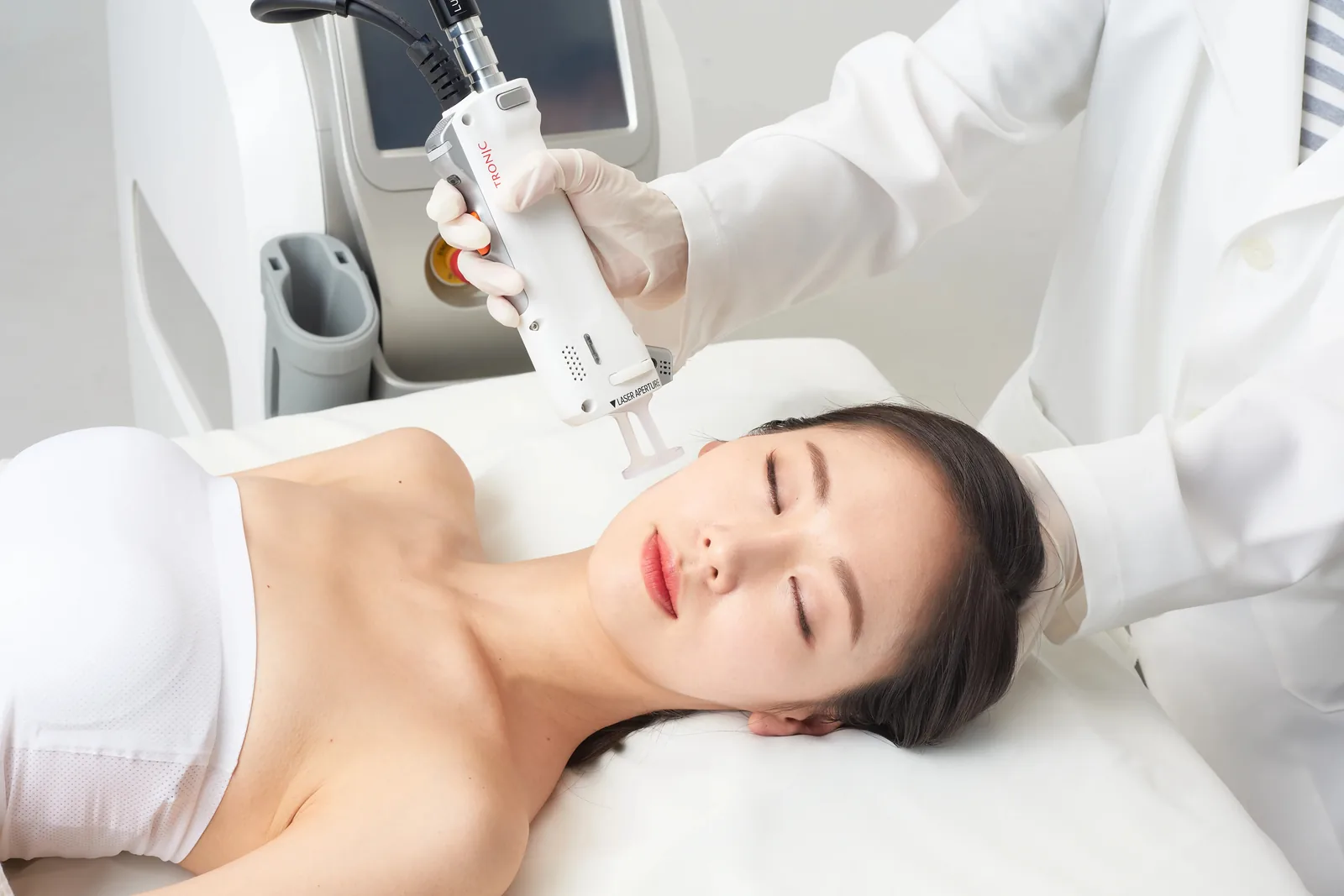
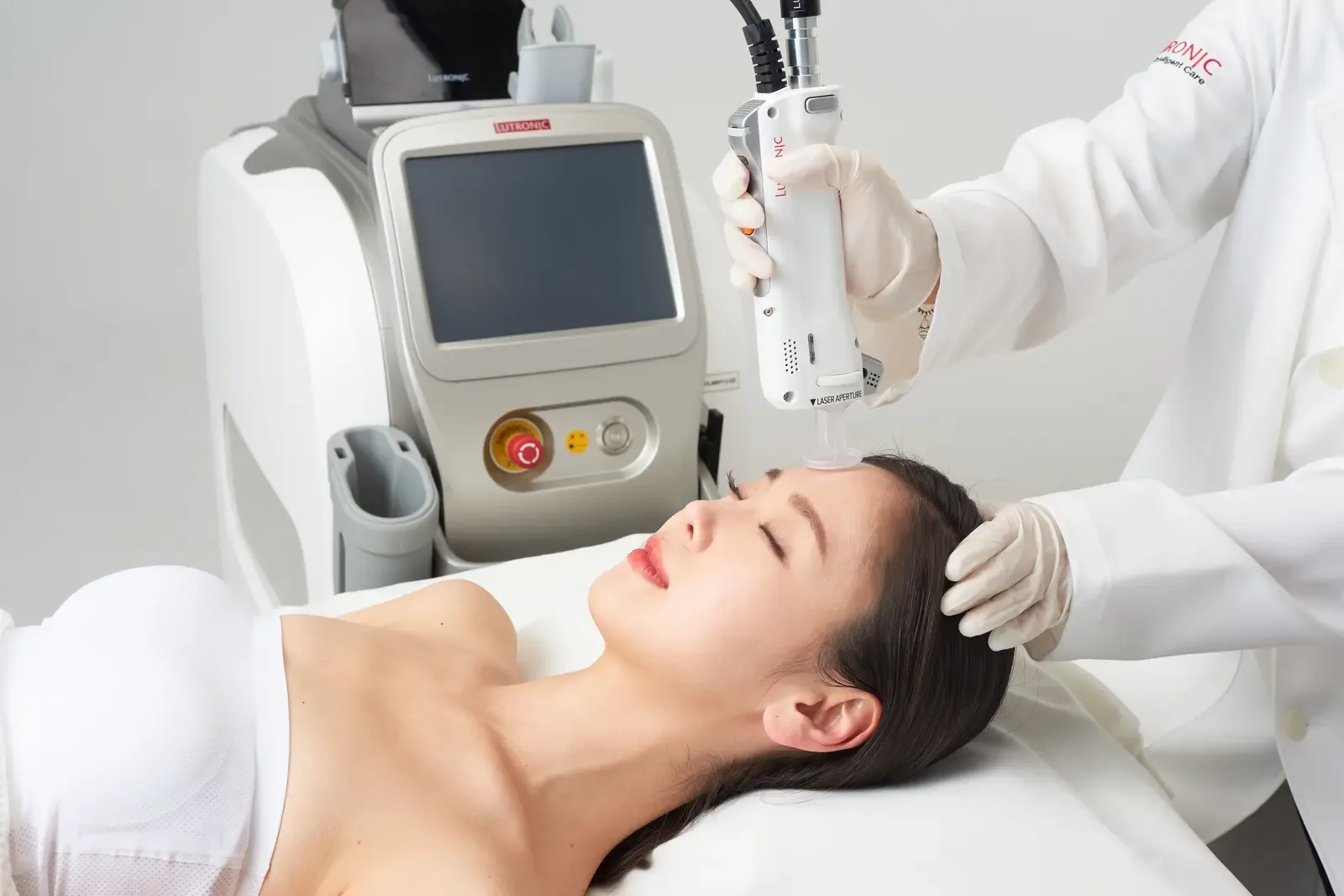
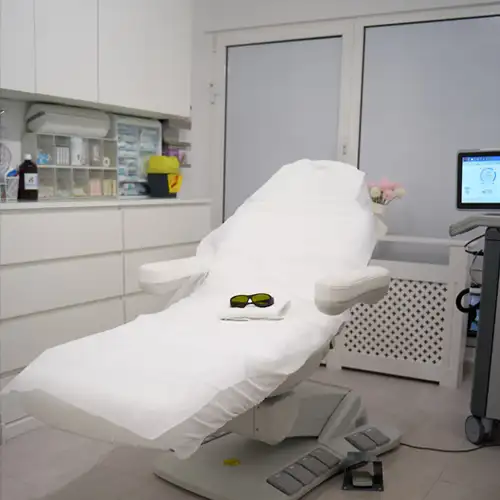
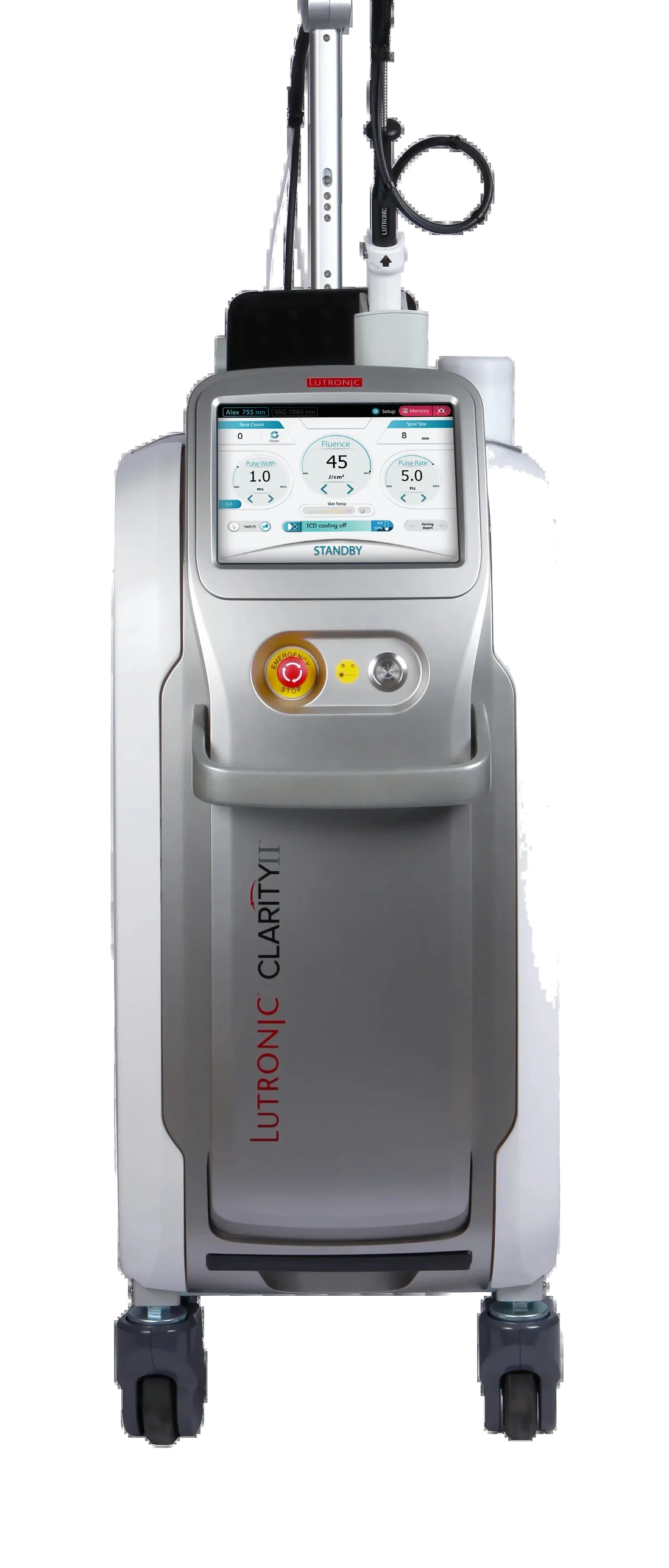
A studio or clinic should offer both technologies — Alexandrit AND Nd:YAG — in one or two devices. This is the only way to safely and effectively treat all skin types. At Laserazor, we use the DEKA Again Pro and the Lutronic Clarity II, two state-of-the-art devices from renowned manufacturers — combined with external Cryo cooling (–30 °C) for maximum comfort.
Conclusion: Dual lasers with Alexandrit + Nd:YAG and integrated Cryo cooling are considered an established technology combination for hair reduction in the industry in 2025/2026.