


















The short answer for 2026
There is no single best laser for everyone. For permanent hair removal1, your skin type is what matters: for light to medium skin with dark hair, the Alexandrit laser (755 nm) works most effectively; for darker skin, the Nd:YAG laser (1064 nm) is the safe choice. If you have both wavelengths in one device, you can adjust the settings perfectly for every area.
Four methods at a glance
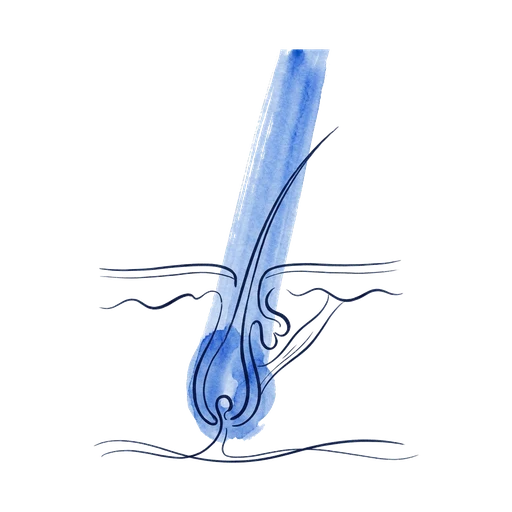
All four methods use the same principle: light is absorbed by the dark pigment in the hair, converted into heat, and destroys the hair root. The difference lies in the wavelength, meaning how precisely the light targets the hair and how much of it affects the skin.
Alexandrit laser (755 nm): the benchmark for light to medium skin
At 755 nm, the pigment in the hair absorbs a particularly high amount of energy. This makes the Alexandrit laser the most effective wavelength for dark hair on light to medium skin (Fitzpatrick I to III). Large spot sizes and high pulse rates keep the session short, even for legs or backs.
Strengths
- Highly effective on dark hair on light skin
- Short treatment times, even for large areas
- Easily controlled via spot size, pulse duration, and energy
Limitations
- Higher risk of pigmentation issues for darker skin (IV to VI)
- Every laser is less effective on very light, red, or grey hair because the pigment is missing
Nd:YAG laser (1064 nm): the safe choice for darker skin
The Nd:YAG laser penetrates the deepest at 1064 nm. The skin's surface absorbs very little energy at this wavelength, making it the safe solution for skin types IV to VI and tanned skin. It also reaches deep-rooted, thick hairs, for example in the intimate area or beard.
Diode lasers: the popular all-rounder
Diode lasers operate at 800 to 810 nm, sitting right between Alexandrit and Nd:YAG. They are used in many studios. How good the results are depends heavily on the individual device: energy density, pulse duration and cooling vary significantly between models. You can find a detailed comparison in our article Alexandrit lasers vs. diode lasers.
IPL: not a laser
IPL stands for Intense Pulsed Light. This is not a laser, but a flash of light with many wavelengths at the same time. Some of the energy hits the hair, but a large part spreads through the skin.
Direct comparison of technologies
| Technology | Skin types I to III | Skin types IV to VI | Deep follicles | Typical use |
|---|---|---|---|---|
| Alexandrit 755 nm | Very good | Use with caution | Good | Dark hair on light to medium skin |
| Nd:YAG 1064 nm | Good | Very good | Very good | Darker skin, deep-rooted, coarse hair |
| Diode 800 to 810 nm | Solid | Solid | Solid | All-rounder, results depend heavily on the device |
| IPL (not a laser) | Weaker | Mostly unsuitable | Weaker | At-home devices and basic studios |
The devices we use in 2026
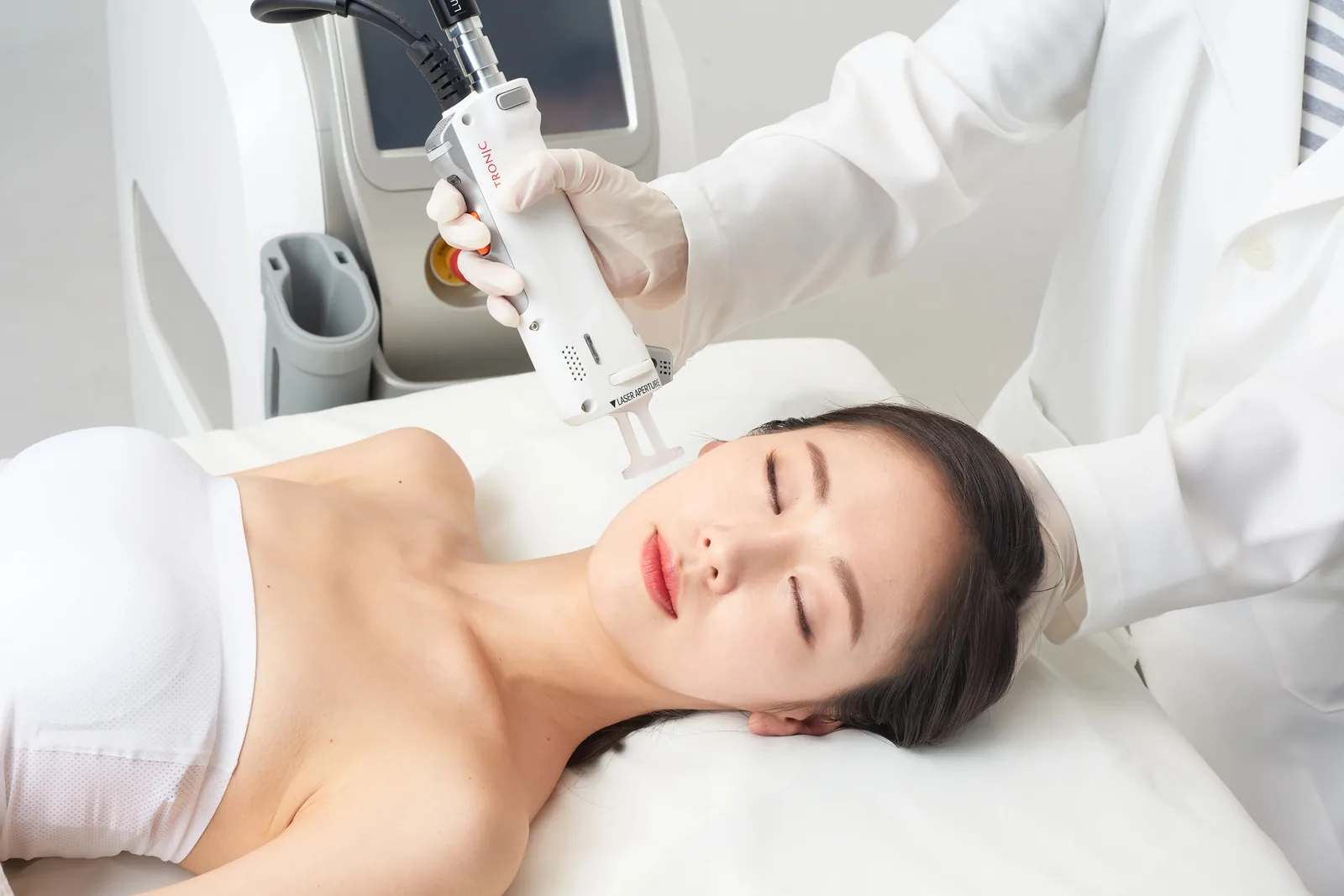
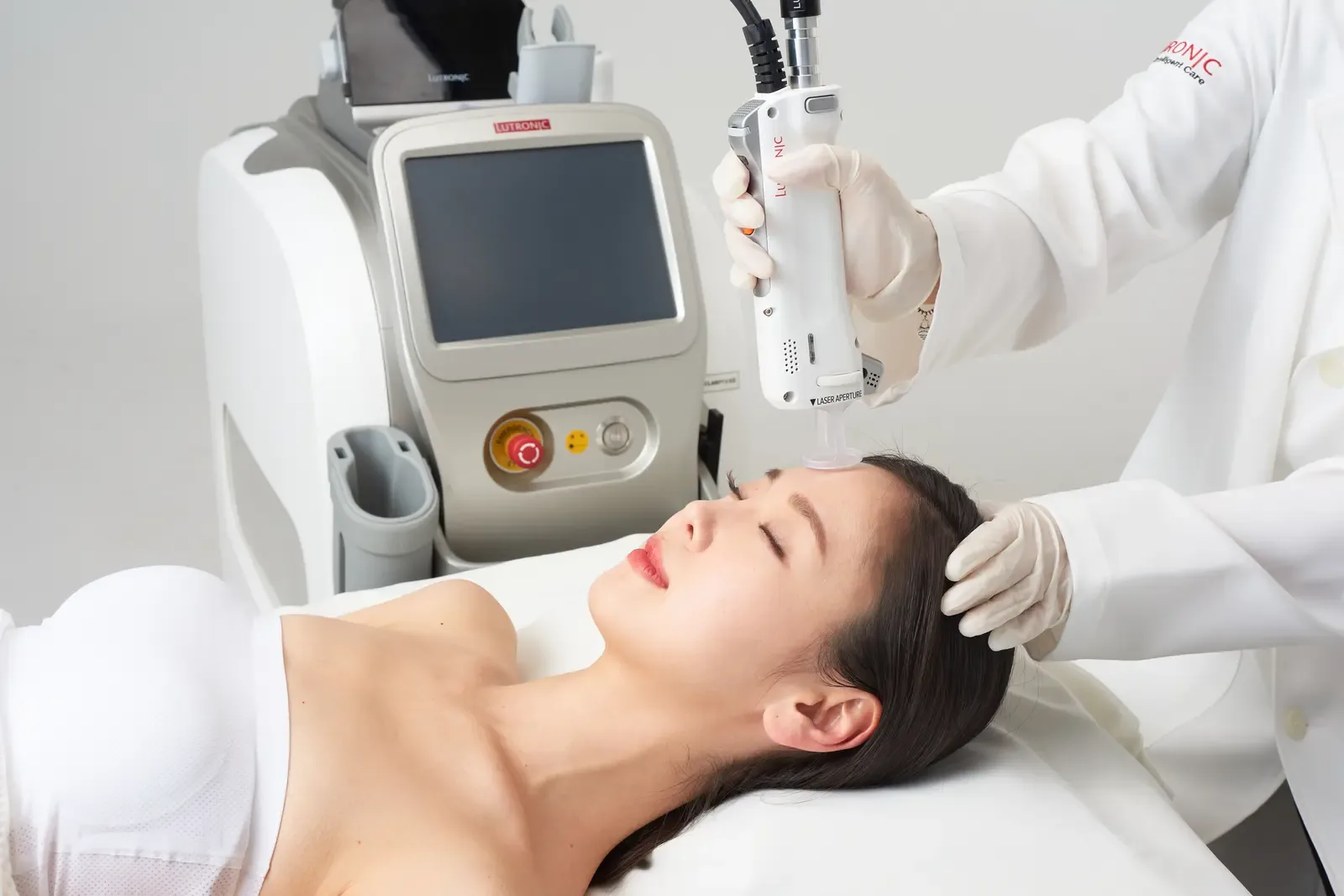
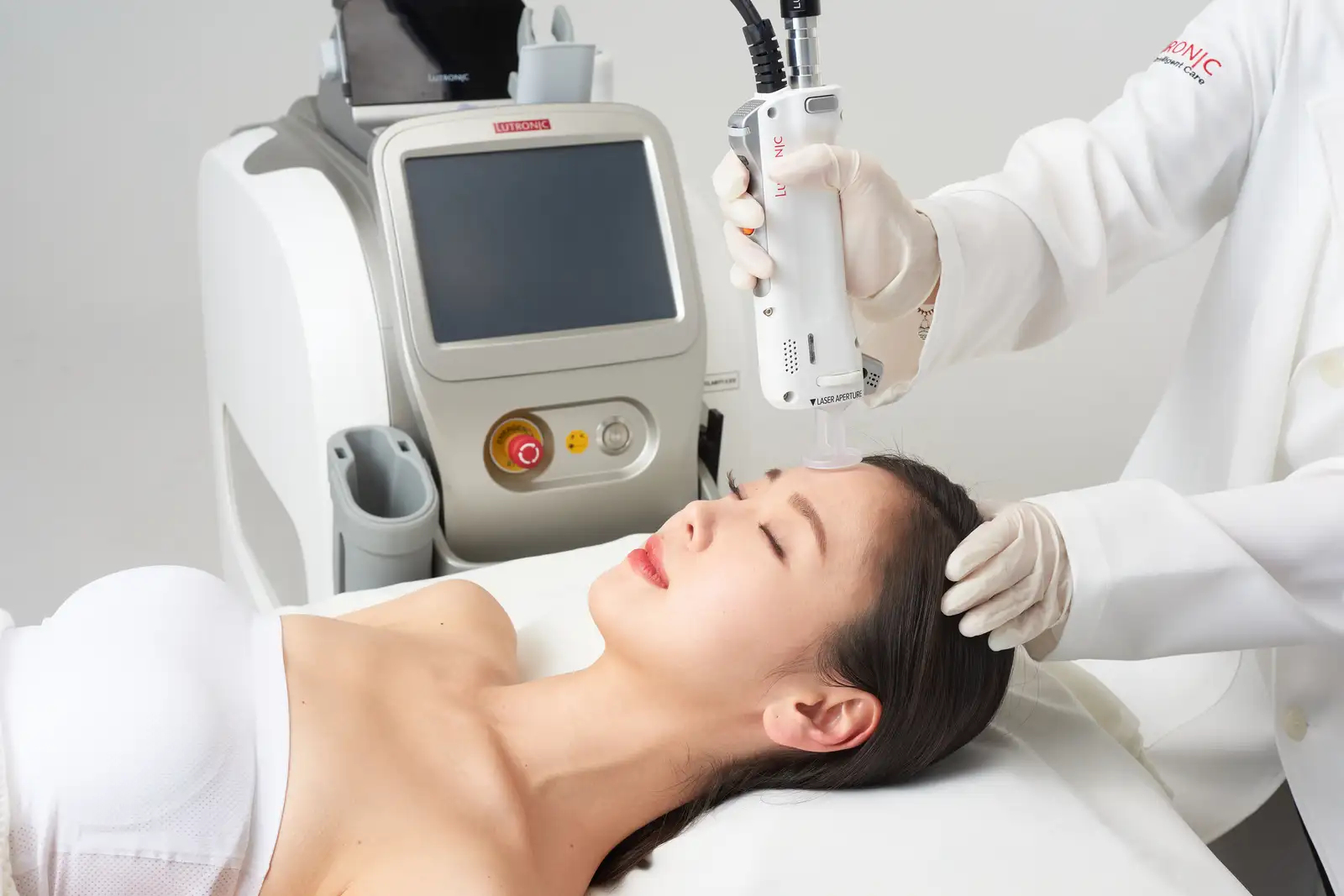
All Laserazor studios feature devices that combine Alexandrit 755 nm and Nd:YAG 1064 nm. You can see which model your studio has here:
| Device | Manufacturer | Wavelengths | At Laserazor in |
|---|---|---|---|
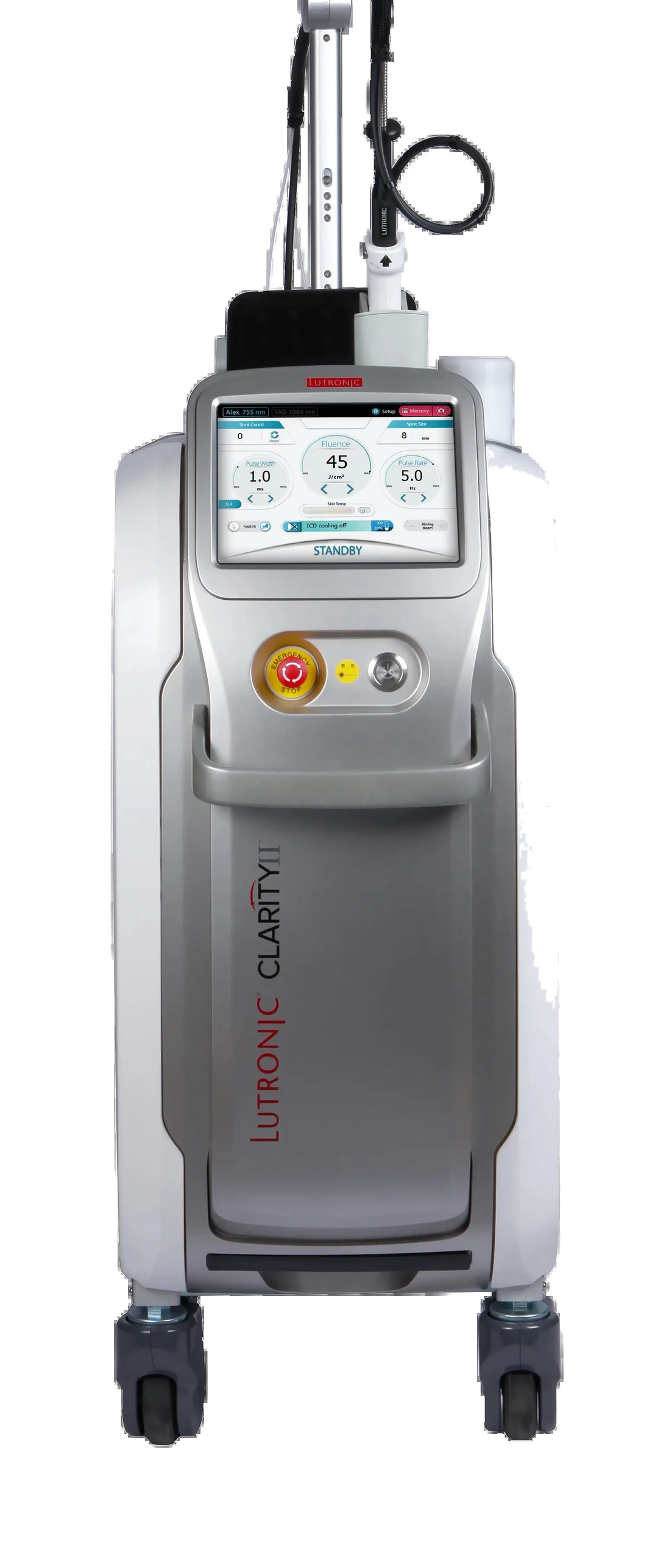
| Lutronic Clarity II | Lutronic, South Korea | 755 nm and 1064 nm | Berlin, München, Augsburg |
| DEKA Again Pro | DEKA, Italy | 755 nm and 1064 nm | Berlin, München |
| Candela GentleMax Pro Plus | Candela, USA | 755 nm and 1064 nm | Hamburg |
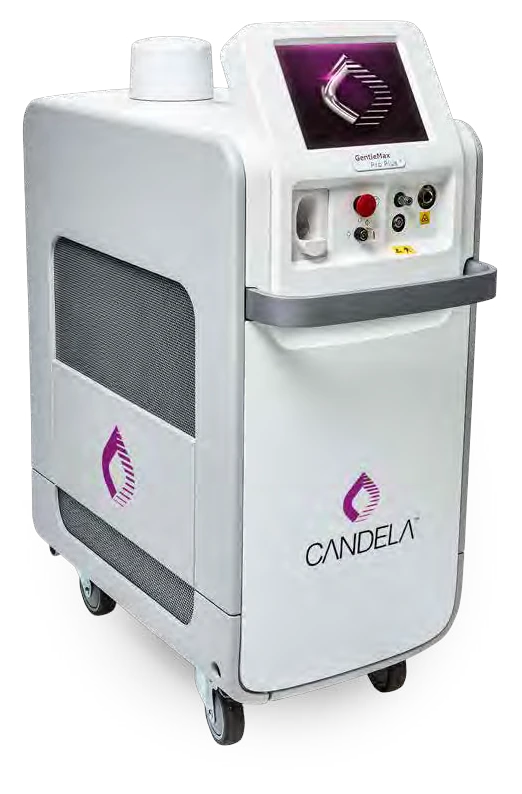
All three systems cool the skin immediately before each pulse. This makes the treatment more comfortable and protects the skin's surface. Find out more about the devices in the 2026 device comparison.
Which laser for which skin type?
Before your first treatment, we determine your Fitzpatrick skin type and apply test pulses. The wavelength depends on this:
Not sure which laser is right for you?
In your trial session for 0 €, we'll determine your skin and hair type and treat one complete suitable area.
The machine alone doesn't guarantee results
The best laser is of little use if the settings are wrong. Since the end of 2022, only people with specialist certification under NiSV are allowed to use lasers for hair removal in Germany. Ask the studio for proof.
What does the NiSV regulate?
The Ordinance on Protection against the Harmful Effects of Non-Ionising Radiation in Human Applications (NiSV) requires verified specialist certification for laser hair removal. It covers skin fundamentals and a dedicated module for optical radiation.
At Laserazor, you'll only be treated by specialists with this certification.
How do I recognise a reputable studio?
- Skin type assessment and test pulses before the first treatment
- Written information and consent
- Device named with manufacturer and model, CE-marked medical device
- Proof of specialist certification under NiSV upon request
- Clear prices per session
Conclusion: our recommendation for 2026
Find a studio that offers Alexandrit and Nd:YAG and tells you exactly which device they use. This ensures every skin type gets the right treatment. A good diode laser is a decent alternative, but IPL won't give you long-term results.
Expect eight to twelve sessions. You can see what the future holds in our 2027 professional comparison, and you'll find the older version in the 2025 comparison.
Read more

More on this topic: Laser Hair Removal